Ayurvedic Longevity Blueprint Finder
Step 1: Identify Your Primary Traits
Select the descriptions that most closely align with your natural tendencies.
Your Dominant Dosha:
Based on your traits, your longevity path focuses on balancing this energy to prevent premature aging.
Longevity Focus
Key Strategy:
Dietary Guidance
Longevity Habit:
Key Takeaways for Long Life
- Balance your unique Dosha to prevent chronic disease.
- Follow Dinacharya (daily routines) to sync with natural circadian rhythms.
- Use Rasayana herbs like Ashwagandha to rejuvenate tissues.
- Eat according to your body type and the current season.
- Prioritize gut health (Agni) as the foundation of all immunity.
Understanding Your Blueprint: The Three Doshas
Before you can live longer, you need to know who you are. Ayurveda is a 5,000-year-old system of natural healing from India that focuses on the balance between mind, body, and spirit. It teaches that everyone is born with a unique constitution, or Prakriti, made up of three biological energies called Doshas.
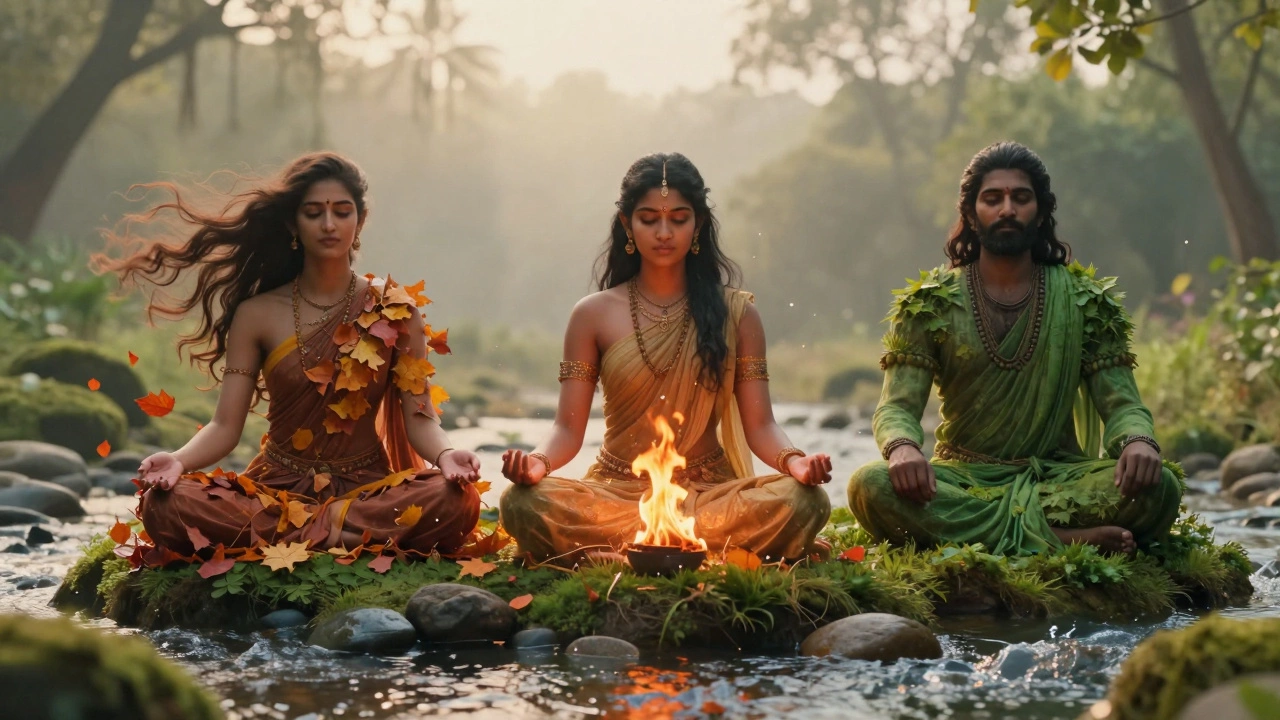
If you're a Vata type, you're likely lean, energetic, and prone to dryness. To avoid premature aging, you need grounding foods and warmth. If you're Pitta, you have a stronger metabolism and a fiery temperament. For you, longevity means cooling your system and avoiding excessive spice. Then there's Kapha, characterized by a sturdy build and a calm nature. Your path to a long life involves movement and stimulating your metabolism to avoid lethargy and weight gain.
| Dosha | Primary Elements | Longevity Risk | Key Strategy |
|---|---|---|---|
| Vata | Air & Space | Degeneration / Anxiety | Routine & Oil Massage |
| Pitta | Fire & Water | Inflammation / Burnout | Cooling Foods & Moderation |
| Kapha | Earth & Water | Congestion / Obesity | Exercise & Fasting |
The Art of Dinacharya: Your Daily Longevity Ritual
You can't expect your body to function perfectly if you're fighting against the clock. Dinacharya is the practice of a daily routine that aligns your internal biological clock with the movements of the sun. When you wake up and eat at the same time every day, you reduce stress on your nervous system, which slows down the aging process.
A typical longevity-focused morning starts before sunrise. Why? Because the "Brahma Muhurta" (the time of the creator) is when the air is purest and the mind is most receptive. Starting with a tongue scrape removes toxins, known as Ama, that accumulate overnight. Following this with a warm glass of water kicks your digestive system into gear. But the real secret weapon is Abhyanga, the practice of self-massage with warm sesame or coconut oil. This doesn't just soften the skin; it lubricates the joints and calms the nervous system, preventing the "drying out" that we usually associate with old age.

Fueling the Fire: Agni and the Ayurvedic Diet
In Ayurveda, you aren't just what you eat, but what you digest. The central concept here is Agni, or the digestive fire. If your Agni is weak, even the healthiest organic kale will turn into toxins in your gut. To live a long life, you must protect this fire. This means eating your largest meal when the sun is highest (around noon), as your internal fire is strongest then.
Avoid ice-cold drinks. Imagine trying to start a campfire while throwing buckets of cold water on it-that's what happens to your digestion when you drink iced water during a meal. Instead, opt for warm, cooked foods. For instance, swapping a raw salad for a sautéed vegetable dish makes the nutrients easier to absorb, reducing the workload on your organs. This is how you maintain a high metabolic rate without the oxidative stress that comes from processed sugars.
Rasayana: The Science of Rejuvenation
Once you've balanced your Doshas and fixed your routine, you can move into the advanced stage of longevity: Rasayana. This is a specialized branch of Ayurveda dedicated to rejuvenation and the slowing of decay. It's not just about supplements; it's about restoring the quality of your tissues (Dhatus).
One of the most powerful tools in Rasayana therapy is Ashwagandha. This adaptogen helps the body manage stress by regulating cortisol. When stress is low, your cells can focus on repair rather than survival. Another staple is Amla (Indian Gooseberry), which is packed with vitamin C and antioxidants that protect the heart and skin. By integrating these herbs-whether through powders, teas, or traditional formulations-you effectively "polish" your internal organs and extend their functional lifespan.

Mental Longevity and the Role of Sattva
You can eat all the Amla in the world, but if you're living in a state of constant anger or grief, your body will age rapidly. Ayurveda emphasizes Sattva, a state of mental purity, clarity, and balance. A Sattvic mind is one that is peaceful and detached from extreme emotional swings.
How do you cultivate this? Simple shifts in habit. Practicing Pranayama (breath work) isn't just about breathing; it's about controlling the flow of Prana, or life force energy. When you breathe deeply and consciously, you signal to your brain that you are safe, which lowers inflammation. Combine this with a mindful approach to social connections. Isolation is a known accelerator of aging, while a sense of purpose and community keeps the spirit young.
The Seasonal Shift: Ritucharya
Our bodies change with the seasons. You wouldn't wear a heavy wool coat in July, so why eat the same foods all year? Ritucharya is the practice of seasonal living. By adjusting your diet and lifestyle based on the time of year, you prevent the accumulation of imbalances that lead to chronic illness.
In the winter, focus on warming, grounding foods like root vegetables and ginger to keep Vata in check. In the summer, shift toward sweet, cooling fruits like watermelon and cucumber to soothe Pitta. This adaptability ensures that your immune system remains robust. When you flow with the seasons rather than fighting them, you avoid the "seasonal crashes" that wear down your resilience over decades.
To truly master Ayurveda longevity, remember that consistency beats intensity. It is better to do a five-minute daily meditation and a simple oil massage every day than to do a grueling 7-day detox once a year. Longevity is a slow game of small, mindful choices.
Can I follow Ayurveda if I don't live in India?
Absolutely. While some specific herbs are native to India, the core principles-eating with the sun, balancing your Doshas, and maintaining a daily routine-are universal. You can substitute local seasonal produce for traditional Indian vegetables and still achieve the same benefits as long as you follow the energetic properties (warming vs. cooling) of the food.
How do I know which Dosha I am?
While there are online quizzes, the most accurate way is through a pulse reading by a certified Ayurvedic practitioner. However, you can observe your traits: if you are often cold and anxious, you're likely Vata-dominant; if you get angry easily and overheat, you're Pitta; if you feel sluggish and gain weight easily, you're Kapha.
Is fasting recommended for longevity in Ayurveda?
Yes, but it's not about extreme starvation. Ayurveda suggests "intermittent" lightness, such as eating light meals or fasting once a week or during specific lunar phases. This allows the Agni to clear out accumulated Ama (toxins) without stressing the body. It should always be tailored to your Dosha-Kapha types benefit most from fasting, while Vata types should be more cautious.
What is the most important habit for long life?
If you had to pick one, focus on your digestion (Agni). In Ayurveda, almost every disease starts in the gut. By eating mindful meals, avoiding ice-cold water, and eating at consistent times, you ensure that your body absorbs nutrients and eliminates waste efficiently, which is the bedrock of longevity.
Does Ayurveda replace modern medicine?
No, it complements it. Ayurveda is fantastic for preventative care, lifestyle management, and chronic wellness. However, for acute emergencies or severe infections, modern medicine is essential. The ideal approach is "integrative health," where you use Ayurveda to maintain your baseline health and modern medicine for urgent clinical needs.
Next Steps for Your Wellness Journey
If you're feeling overwhelmed, don't try to change everything at once. Start with one "anchor habit." For the next two weeks, try waking up 30 minutes earlier and drinking warm lemon water. Once that feels natural, introduce a weekly Abhyanga massage. The goal is to move toward a lifestyle where health is a natural byproduct of your day, not a chore on your to-do list.