Diwali Gift Etiquette Checker
🎁Select Your Gift Idea
💡 Better Alternative:
Select a gift and recipient to see if it aligns with Diwali traditions.
Diwali is more than just lights and sweets; it is a festival deeply rooted in symbolism, prosperity, and respect. You might have spent hours picking out the perfect gift for your relatives or friends, only to realize later that you’ve accidentally chosen something considered unlucky or offensive. It happens to the best of us. In Indian culture, every object carries meaning, and giving the wrong item can send unintended signals about your relationship with the recipient.
Whether you are new to celebrating Diwali is the Hindu festival of lights symbolizing the victory of light over darkness and good over evil or a seasoned celebrant looking to avoid social faux pas, understanding these unspoken rules is crucial. This guide breaks down exactly what should stay off your shopping list this year, explaining the cultural logic behind each taboo so you can gift with confidence and respect.
The Sharp Edge Problem: Why Knives Are a No-Go
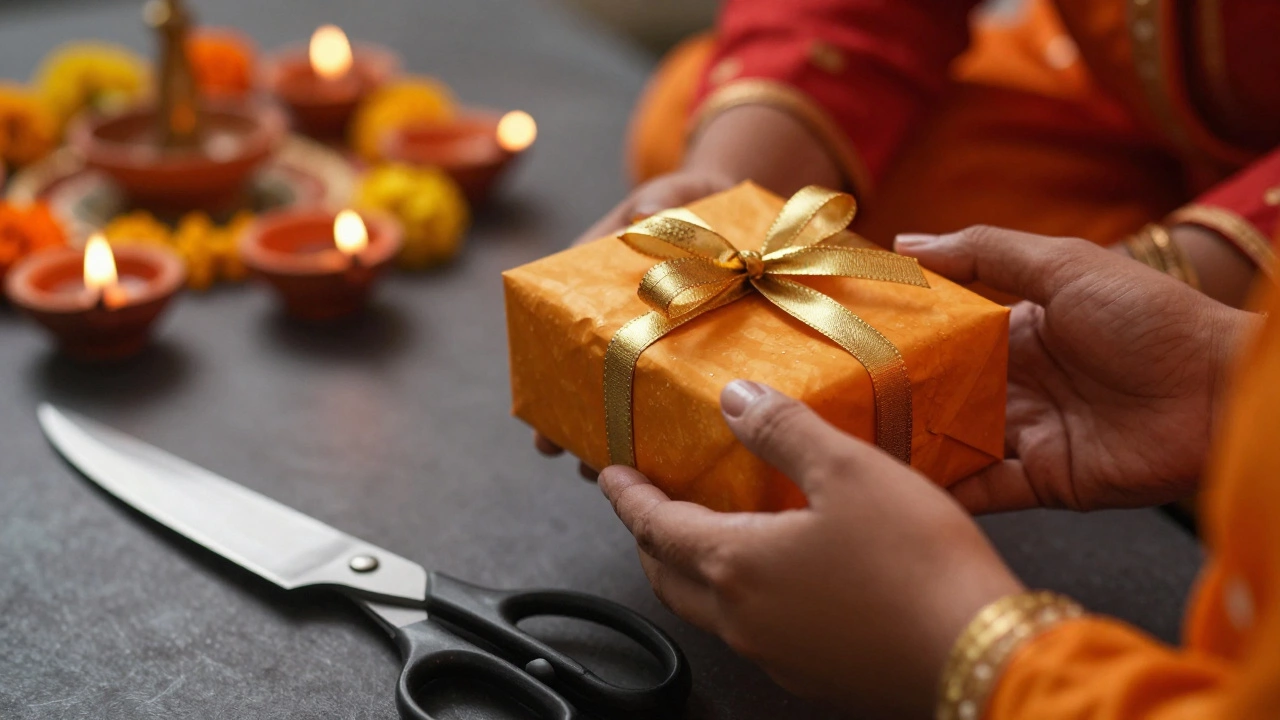
If there is one rule everyone knows, it is probably this one: never give sharp objects. But why? In Indian tradition, relationships are viewed as delicate bonds that require care and nurturing. Giving someone a knife, scissors, or any sharp tool is metaphorically seen as cutting those ties. The act of handing over a sharp edge suggests a desire to sever the connection between giver and receiver.
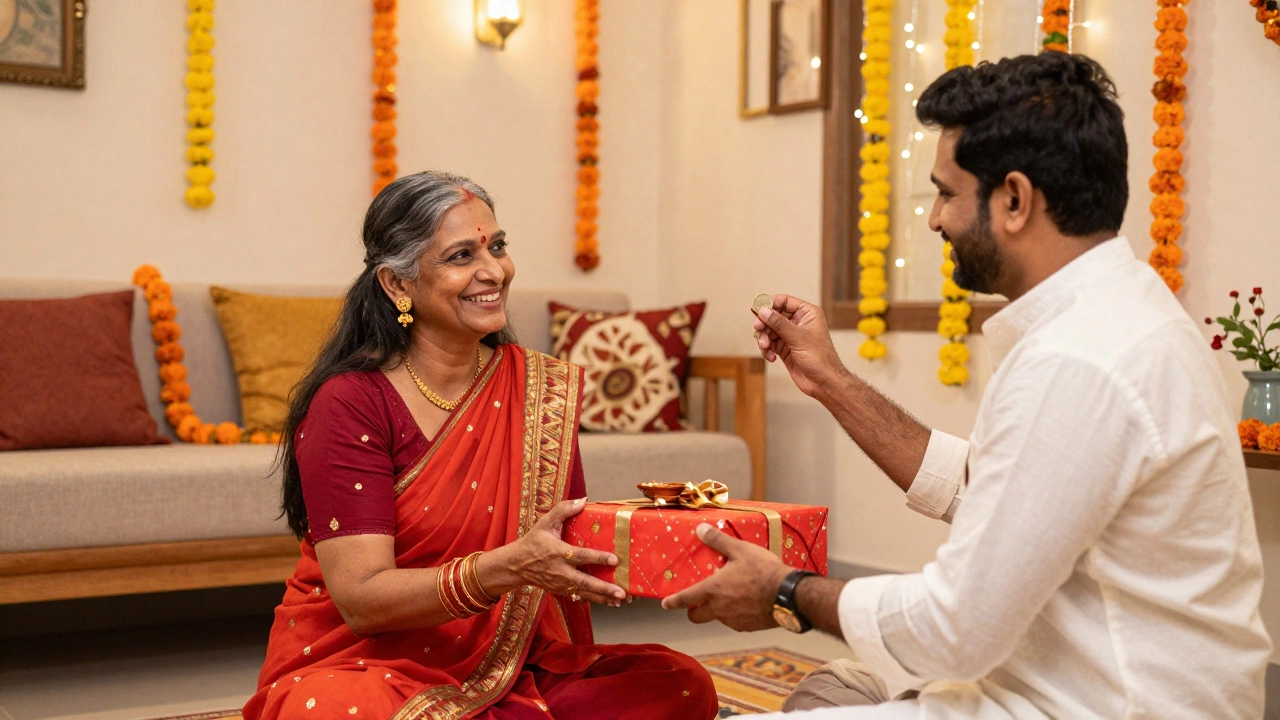
This isn’t just superstition; it’s about emotional safety. Imagine giving a pair of expensive kitchen shears to your mother-in-law. Even if she loves cooking, the gesture feels aggressive. If you absolutely must give something sharp-perhaps a chef wants a specific Japanese blade-there is a workaround. Ask the recipient to give you a coin in return. This tiny transaction transforms the gift from a "cut" into a purchase, neutralizing the negative symbolism. However, for most people, sticking to non-sharp items is the safer bet.
- Avoid: Kitchen knives, scissors, razors, letter openers.
- Say Instead: A wooden spoon set, a cookbook, or a digital subscription to a culinary class.
Clocks and Watches: The Ticking Time Bomb
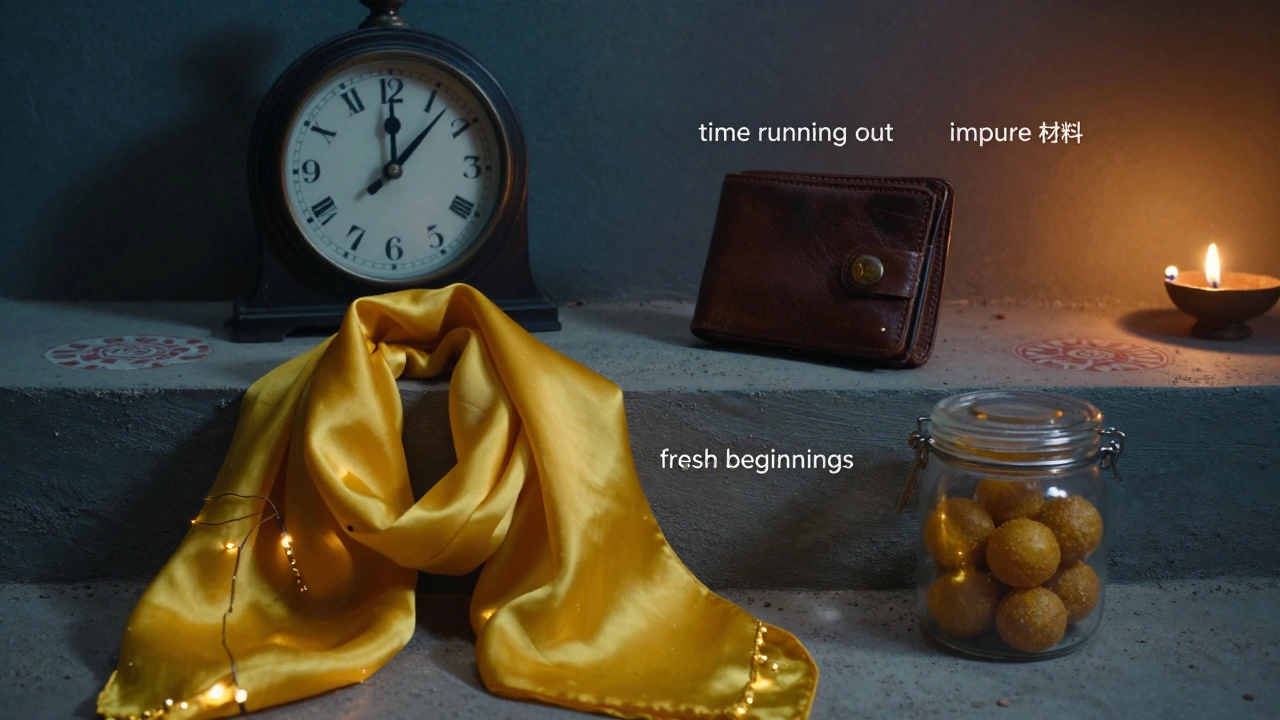
In Western cultures, a nice wristwatch is a classic gift. In many parts of India, however, clocks and watches are associated with funerals and the passage of time leading to death. The phrase "time is up" has sinister connotations here. Gifting a clock is often interpreted as wishing for the end of someone’s life or their presence in your life.
Even if the recipient doesn’t consciously believe in the superstition, the subconscious association remains strong among older generations. Think about who will be opening that gift. If it’s your grandparents or elderly neighbors, a wall clock might land awkwardly. The sound of ticking can also remind people of mortality, which clashes with the joyous, life-affirming spirit of Diwali.
Instead of marking time, focus on creating memories. A photo frame, a digital album, or a promise of a future trip together celebrates the present moment without invoking fears of its ending.
Leather Goods: Respect for Life and Tradition
Leather is tricky during Diwali because of its association with animal sacrifice and death. For many Hindus, cows are sacred, and leather products (especially cowhide) are considered impure during auspicious times. While some modern families may not mind a leather wallet, traditional households often view leather as an inappropriate material for a festival dedicated to purity and renewal.
Furthermore, Diwali is a time for cleaning and decluttering. Leather requires maintenance and can retain odors or stains, which might feel contrary to the fresh start the festival represents. If you are unsure about the recipient’s stance on vegetarianism or religious strictness, skip the leather entirely. It’s a high-risk category where the potential for offense outweighs the utility of the item.
Opt for fabric alternatives instead. A cotton tote bag, a silk scarf, or a canvas journal offers similar functionality without the ethical or spiritual baggage. These materials feel lighter, cleaner, and more aligned with the festive energy.
Empty Hands and Hollow Gestures
While not a physical object, the concept of "empty hands" is a major taboo. Showing up to a Diwali gathering without a gift is seen as disrespectful. But there’s another layer: gifts that appear empty or lack substance are frowned upon. This includes things like hollow boxes, decorative vases that serve no purpose, or overly abstract art that confuses rather than pleases.
Gifts should carry weight-both literal and metaphorical. They should show effort and thoughtfulness. A generic gift card left in an envelope might feel lazy compared to a curated hamper of local treats. The act of giving is meant to strengthen bonds, and an "empty" gesture fails to do that. Always ensure your gift box is full, your message is sincere, and your presence is warm.
Black Color and Dark Imagery
Color psychology plays a huge role in Indian festivals. Diwali is all about brightness, gold, red, orange, and white. Black, however, is traditionally associated with mourning, negativity, and bad luck. Giving a gift wrapped in black paper or containing predominantly black items can be seen as inviting misfortune into the home.
This extends to imagery as well. Avoid gifts featuring dark, stormy scenes, owls (often seen as omens), or any symbols of destruction. Stick to bright, cheerful designs. Flowers, sun motifs, and intricate rangoli patterns are safe and welcoming choices. If you buy clothing, choose vibrant hues that pop against the backdrop of diyas (oil lamps) and fireworks.
| Color | Symbolism | Verdict |
|---|---|---|
| Red/Orange | Auspiciousness, Energy | Highly Recommended |
| Gold/Yellow | Wealth, Prosperity | Highly Recommended |
| White | Purity, Peace | Good |
| Black | Mourning, Negativity | Avoid Completely |
| Brown/Grey | Dullness, Stagnation | Avoid |
Used Items and Broken Objects
Diwali marks a new beginning. Giving used items, second-hand clothes, or anything that is broken or damaged sends a message of stagnation or decline. Even if the item is valuable, its history matters. A pre-owned book might be fine for a casual exchange, but for Diwali, it feels like passing on old burdens rather than fresh blessings.
Newness signifies hope and forward momentum. When you give a brand-new item, you are investing in the recipient’s future. Inspect everything carefully before wrapping it. A cracked cup, a torn sleeve, or a scratched phone case undermines the generosity of the gesture. If something is imperfect, donate it instead-it belongs in charity, not in a festive gift exchange.
Alcohol and Non-Vegetarian Food
This depends heavily on the family, but generally, alcohol is a risky gift during Diwali. Many households observe fasting or strict vegetarian diets during the festival. Alcohol contradicts the theme of purification and self-discipline. Similarly, non-vegetarian food items can offend hosts who are preparing pure, sattvic meals for Lakshmi Puja (worship of the goddess of wealth).
Unless you know the recipient drinks and eats meat regularly-and even then, it’s better to wait until after the main celebrations-stick to sweets, dry fruits, and snacks. These are universally accepted and align with the communal sharing aspect of the festival. A box of premium almonds or a jar of homemade ladoo shows care without crossing dietary lines.
Can I give money as a Diwali gift?
Yes, cash is actually one of the most popular Diwali gifts, especially for children and younger relatives. It is called 'Shagun' and is considered auspicious. However, always wrap the money in red envelopes or decorate it nicely. Never hand over loose bills casually.
What if I already bought a clock? Can I still give it?
If the recipient is not superstitious, they might appreciate it. But to be safe, ask them to give you a small coin (like a quarter) in return. This turns the gift into a trade, removing the negative symbolism of "giving time."
Are plants okay to gift on Diwali?
Absolutely! Plants represent growth and life. Money plants, tulsi (holy basil), and marigold flowers are excellent choices. Just avoid cacti or thorny plants, as they can symbolize obstacles or conflict.
Why is leather specifically bad for Diwali?
Leather comes from animals, and Diwali emphasizes purity and non-violence (ahimsa). Additionally, leather is associated with death rituals in some traditions. Using synthetic or fabric alternatives avoids these associations.
Is it okay to gift books?
Books are great gifts, but avoid titles related to death, horror, or tragedy. Choose uplifting stories, cookbooks, or spiritual texts. Also, ensure the book is new and undamaged.