Diwali Across Religions: Interactive Guide
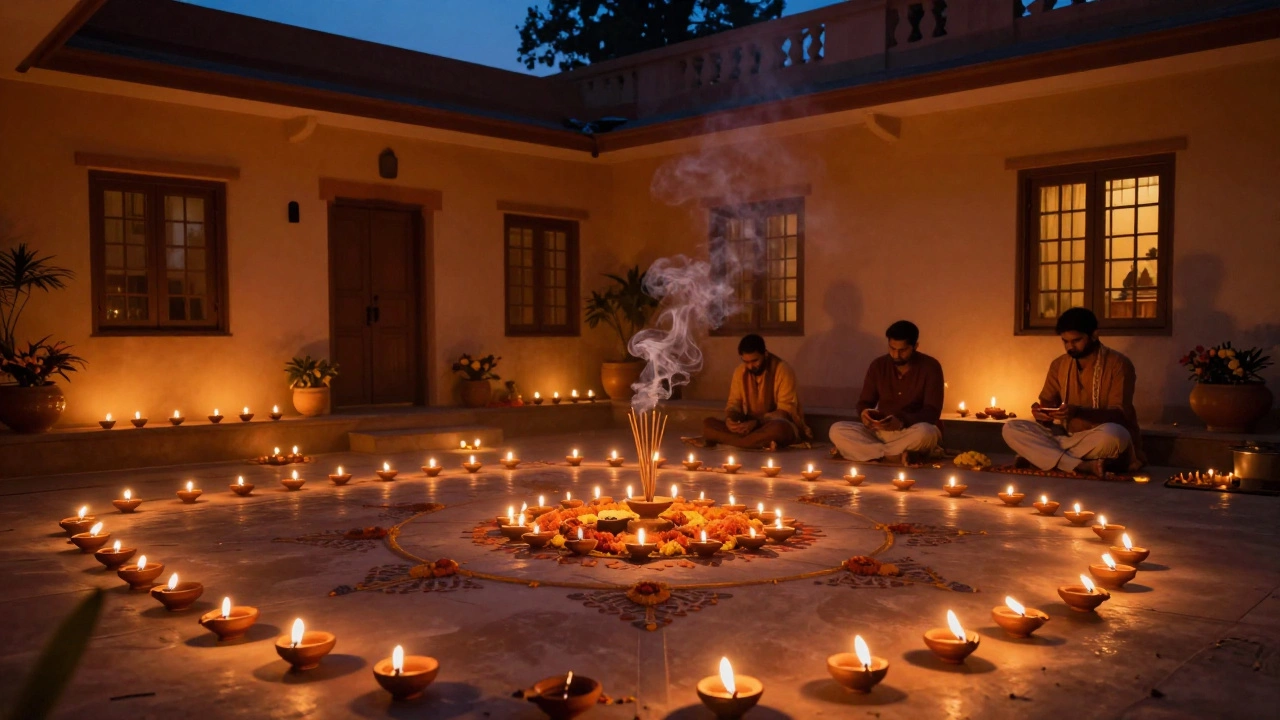
Victory of Light
The most prominent celebration, focusing on the triumph of good over evil.
Key Figures & Events
- North India: Return of Lord Rama to Ayodhya after defeating Ravana (Ramayana).
- West India (Gujarat): Krishna's defeat of the demon Narakasura.
- Bengal/Odisha: Worship of Goddess Lakshmi for wealth and prosperity.
Day of Liberation
A solemn occasion marking spiritual freedom rather than festive revelry.
Key Figure: Mahavira
Jains celebrate the attainment of Moksha (liberation) by Mahavira, the 24th Tirthankara, who passed away in 527 BCE.
The lamps are lit to honor his soul as it broke free from the cycle of birth and death.
Bandi Chhor Divas
Translates to "Day of Release of Prisoners," celebrating political freedom.
Key Event: Guru Hargobind Ji
Commemorates the release of the sixth Sikh Guru from imprisonment in Gwalior Fort in 1609 by Mughal Emperor Jahangir.
Guru Hargobind secured the release of 52 other Rajput chiefs by having them hold onto his robe as they exited the fort.
New Beginning
Celebrating enlightenment and the shift towards peace.
Key Figures: Buddha & Ashoka
In Nepal, Buddhists mark the day Lord Buddha attained enlightenment under the Bodhi tree.
It also honors the conversion of Emperor Ashoka to Buddhism after the Kalinga War, symbolizing a move from violence to non-violence.
Test Your Knowledge: The Many Faces of Diwali
You see the lights. You smell the incense. You hear the firecrackers (or perhaps you’re grateful for the quiet ones). But if you’ve ever asked, What religious is Diwali?, you might be surprised by the answer. It’s not just one thing. While most people immediately associate it with Hinduism, that’s only part of the story.
Diwali isn’t owned by a single faith. It’s a cultural phenomenon that bridges multiple religions in India and across the diaspora. To understand what Diwali really is, we have to look past the stereotypes and see how different communities interpret this "Festival of Lights."
The Hindu Core: Victory of Light Over Darkness
For the vast majority of people celebrating, Diwali is a Hindu festival. In fact, it is considered the most important festival in the Hindu calendar. But even within Hinduism, the meaning shifts depending on where you are in India.
But wait, there’s more. In western India, particularly in Gujarat, the focus isn’t on Rama. It’s on Lord Krishna. Here, Diwali celebrates Krishna’s defeat of the demon Narakasura. This version emphasizes protection and the cleansing of evil forces. So, even within the same religion, the "job" Diwali does changes based on geography.
In Bengal and Odisha, Hindus worship Goddess Lakshmi, the deity of wealth and prosperity. For them, Diwali is about inviting financial luck into the home for the coming year. You’ll notice new accounts being opened and gold being bought during this time. It’s a mix of devotion and economic optimism.
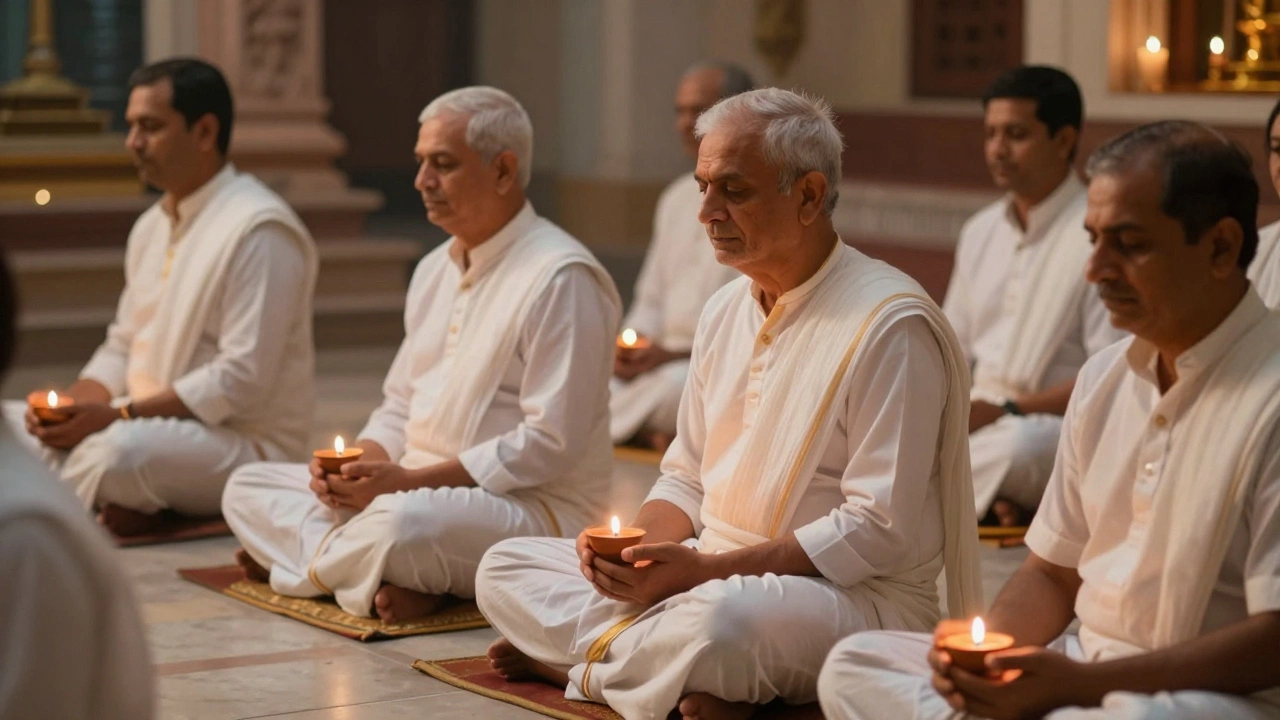
Jain Diwali: The Day of Liberation
If you think Diwali is purely Hindu, you’re missing a crucial piece of history. For Jains, Diwali is arguably more significant than it is for any other group. Why? Because it marks a historical event, not just a mythological one.
Jains celebrate Diwali to commemorate the attainment of Moksha (liberation) by Mahavira, the 24th Tirthankara (spiritual teacher) of Jainism. Mahavira passed away in 527 BCE in Pavapuri, Bihar. According to tradition, this happened on the day of Diwali.
The connection is profound. Just as Hindus light lamps to guide Rama home, Jains light lamps to honor the soul of Mahavira as it broke free from the cycle of birth and death. It’s a day of deep reflection, fasting, and non-violence (Ahimsa). You won’t find many fireworks at traditional Jain celebrations; instead, you’ll find prayers and community feasts that are strictly vegetarian or vegan.
Sikh Diwali: Bandi Chhor Divas
Then there’s the Sikh perspective. Sikhs also celebrate Diwali, but they call it Bandi Chhor Divas, which translates to "Day of Release of Prisoners."
This date holds special significance because it marks the release of the sixth Sikh Guru, Guru Hargobind Ji, from imprisonment in the Gwalior Fort in 1609. He was held captive by the Mughal Emperor Jahangir. Legend has it that Guru Hargobind demanded that 52 Rajput chiefs, who were also imprisoned, be released with him. He had them wear colorful shoes so they could all walk out together holding his robe.
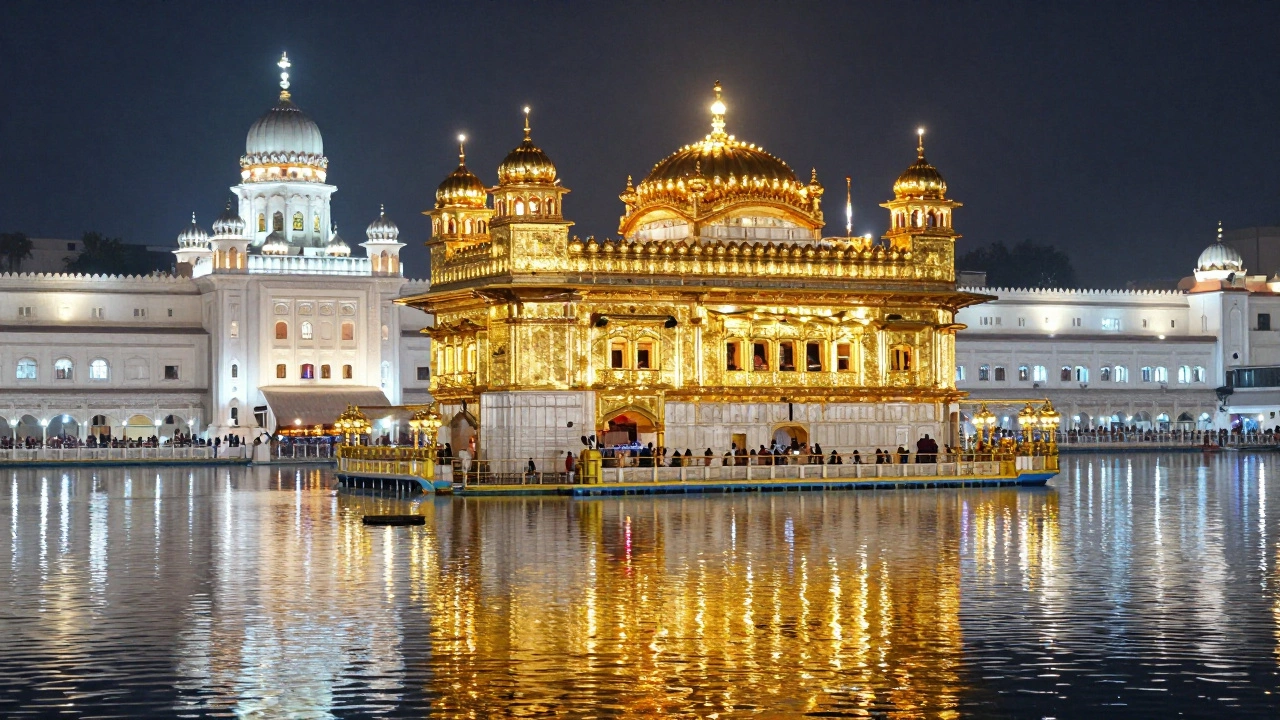
So, while Hindus and Jains focus on spiritual victory or liberation, Sikhs focus on political freedom and the triumph of justice over tyranny. The Golden Temple in Amritsar is illuminated beautifully during this time, drawing thousands of devotees. It’s a celebration of resilience and community strength.
Buddhist Diwali: A New Beginning
You might not expect Buddhism to be on this list, but it is. In Nepal, Buddhists celebrate Diwali as well. For them, it marks the day when Lord Buddha attained enlightenment under the Bodhi tree. Some traditions also link it to the conversion of Emperor Ashoka to Buddhism after the Kalinga War.
Emperor Ashoka was originally a ruthless conqueror. After witnessing the carnage of war, he renounced violence and embraced Buddhist principles. Diwali, for Nepalese Buddhists, celebrates this transformation and the spread of peace. It’s a reminder that change is possible, no matter how dark the past.
Why Do They All Celebrate on the Same Day?
This is the question that usually follows. If these are different religions with different stories, why do they all light up their homes on the exact same night?
The answer lies in the lunar calendar. Diwali falls on the new moon day (Amavasya) of the month of Kartik in the Hindu lunar calendar. This timing coincides with the end of the harvest season in many parts of India. Historically, farmers would clean their homes, settle debts, and prepare for the new agricultural cycle. The lighting of lamps was practical-it helped ward off snakes and insects in the fields-but it quickly took on spiritual meaning.
Because the underlying theme-light overcoming darkness-is universal, each religion adopted the timing and infused it with its own narrative. It’s a beautiful example of how culture can unify diverse beliefs.
Comparison of Diwali Across Religions
| Religion | Key Figure/Event | Core Meaning | Primary Rituals |
|---|---|---|---|
| Hinduism | Lord Rama / Goddess Lakshmi | Victory of good over evil; Wealth and prosperity | Lakshmi Puja, lighting diyas, rangoli, fireworks |
| Jainism | Mahavira | Attainment of Moksha (Liberation) | Prayer, fasting, reading scriptures, no fireworks |
| Sikhism | Guru Hargobind Ji | Freedom from imprisonment (Bandi Chhor Divas) | Pragati Parikrama, illumination of Gurdwaras, community langar |
| Buddhism | Lord Buddha / Emperor Ashoka | Enlightenment and adoption of non-violence | Temple visits, meditation, lighting lamps |
The Cultural Bridge: More Than Religion
Here’s the thing about Diwali today: it has transcended its religious roots to become a secular cultural marker. In cities like Toronto, London, or Singapore, you’ll see people of all backgrounds participating. Non-Hindus buy sweets. Non-Jains appreciate the message of non-violence. Non-Sikhs admire the story of freedom.
This inclusivity is intentional. In modern India, Diwali is often seen as a national holiday that brings everyone together. It’s a time to mend fences, forgive old grudges, and start fresh. The act of sending greeting cards or digital messages is less about theology and more about social cohesion.
However, this doesn’t mean the religious aspects are fading. On the contrary, the spiritual depth remains strong for practitioners. The challenge is balancing the commercialization (shopping sprees, expensive gifts) with the original intent of inner light and simplicity.
Common Misconceptions About Diwali
Let’s clear up a few myths that often circulate, especially among those outside the Indian diaspora.
- Myth: Diwali is just about fireworks. Reality: While fireworks are popular in urban areas, they are not mandatory. Many communities, especially Jains and environmentally conscious Hindus, skip them entirely due to pollution concerns. The core ritual is the lighting of oil lamps (diyas), which are eco-friendly.
- Myth: Only Hindus celebrate Diwali. Reality: As we’ve discussed, Jains, Sikhs, and Buddhists also observe it. Even some Christians and Muslims in India participate in the cultural aspects, such as exchanging sweets.
- Myth: Diwali is a single-day event. Reality: It’s a five-day festival. Each day has a specific name and ritual. Dhanteras (day 1) involves buying metal items. Naraka Chaturdashi (day 2) is for cleansing. Lakshmi Puja (day 3) is the main day. Govardhan Puja (day 4) honors nature. Bhai Dooj (day 5) celebrates sibling bonds.
How to Respectfully Participate
If you’re not part of these religions but want to join in the spirit of Diwali, here’s how to do it respectfully:
- Understand the context. Ask your friends or colleagues what Diwali means to them specifically. Are they celebrating Rama’s return or Mahavira’s liberation? Showing interest goes a long way.
- Gift thoughtfully. Traditional gifts include sweets, dry fruits, or candles. Avoid alcohol or leather goods, as these may conflict with dietary or ethical restrictions of certain groups.
- Respect the environment. If you’re invited to a home, note that many hosts are trying to reduce plastic waste and air pollution. Bringing a reusable gift bag or opting for digital greetings is appreciated.
- Dress appropriately. If attending a puja (prayer ceremony), dress modestly. Cover your shoulders and knees. Remove your shoes before entering the prayer area.
Final Thoughts: A Universal Message
So, what religious is Diwali? It’s Hindu, Jain, Sikh, and Buddhist. It’s also human. At its heart, Diwali answers a universal need: the desire for hope in dark times. Whether you’re seeking spiritual liberation, political freedom, or just a reason to smile, Diwali provides that framework.
Next time you see the lights, remember that behind every lamp is a story of resilience. And that’s something everyone can relate to.
Is Diwali only for Hindus?
No. While Diwali is the most prominent festival in Hinduism, it is also widely celebrated by Jains, Sikhs, and Buddhists. Each religion attributes different historical or mythological significance to the date, making it a multi-faith celebration in India.
Why do Jains celebrate Diwali?
Jains celebrate Diwali to mark the death and subsequent attainment of Moksha (liberation) by Mahavira, the 24th Tirthankara, in 527 BCE. It is a day of spiritual reflection and non-violence rather than festive revelry.
What is Bandi Chhor Divas?
Bandi Chhor Divas is the Sikh name for Diwali. It commemorates the release of Guru Hargobind Ji from imprisonment in Gwalior Fort in 1609. It symbolizes the victory of truth and freedom over oppression.
Do Buddhists celebrate Diwali?
Yes, particularly in Nepal. Buddhists celebrate Diwali to honor Lord Buddha's enlightenment and the conversion of Emperor Ashoka to Buddhism, marking a shift towards peace and non-violence.
When is Diwali celebrated in 2026?
In 2026, Diwali is expected to fall in late October or early November, depending on the lunar calendar. The main day of Lakshmi Puja usually occurs on the new moon day of the Kartik month. Exact dates vary slightly by region and religious community.
Can non-Indians celebrate Diwali?
Absolutely. Diwali is increasingly celebrated globally as a cultural festival of light. Non-Indians can participate by lighting lamps, exchanging sweets, and learning about the themes of hope and renewal. It is important to approach the celebration with respect for its religious origins.