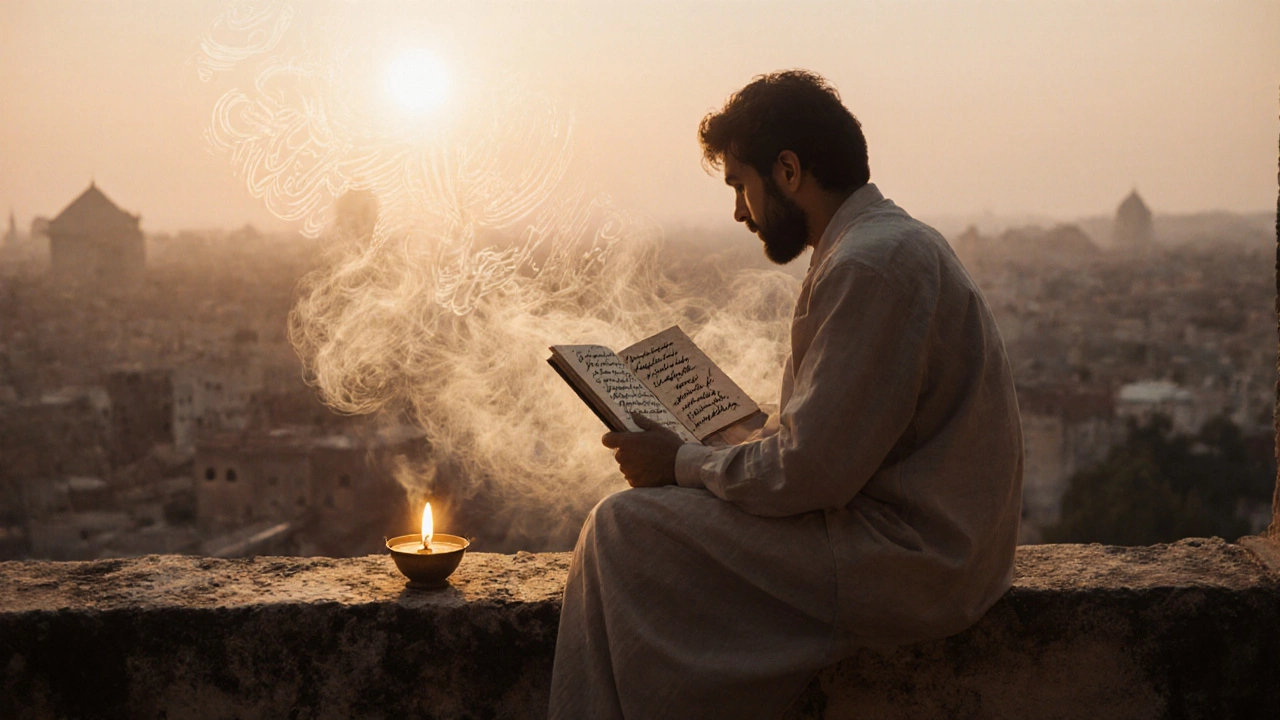
Broken Heart: Understanding Emotional Pain Through Indian Poetry and Quotes
When your heart breaks, it doesn’t scream—it whispers. In India, where showing pain is often seen as weakness, the broken heart, a deep emotional wound shaped by loss, silence, and unspoken longing finds its truest expression not in words, but in poetry. It’s in the quiet pause after a loved one leaves, in the tear that falls on a letter never sent, in the way someone smiles while their insides are crumbling. This isn’t just sadness—it’s a cultural silence, a weight carried alone, and yet, it’s also the most honest thing many people ever feel.
Indian poetry doesn’t avoid the broken heart, a deep emotional wound shaped by loss, silence, and unspoken longing. It leans into it. You won’t find loud cries here—you’ll find stillness. The kind of stillness that holds more pain than any shout. Think of the poems that speak of a lover who walked away, of a mother who lost a child, of a child who grew up without a father’s voice. These aren’t abstract ideas—they’re real lives, lived in villages and cities, in homes where grief is tucked under saris and behind closed doors. The silent grief, the unspoken sorrow that thrives in cultures that discourage open mourning isn’t ignored—it’s transformed. Into verses. Into statuses. Into lines whispered to the moon because no one else is listening.
What makes Indian expressions of heartbreak different? It’s not the pain—it’s how it’s held. In the West, you’re told to ‘get over it.’ In India, you’re taught to carry it. And in that carrying, something beautiful happens. People write. They quote Tagore. They share Neruda in WhatsApp groups. They post lines from old Urdu poets on Instagram, not to show off, but to say, ‘I’m still here.’ The heartbreak poetry, a genre that gives form to pain too deep for conversation becomes a lifeline. It’s not about fixing it. It’s about being seen. Even if only by strangers who’ve felt the same ache.
You’ll find these truths in the posts below—not as theories, but as lived words. Some are from poets you’ve heard of. Others are from people you’ll never meet, but who wrote something that made you pause mid-scroll. There’s no grand solution here. No five-step guide to healing. Just raw, real lines that say: I know. I’ve been there too. That’s all you need sometimes. Let yourself read them. Let yourself feel them. The broken heart doesn’t need fixing—it needs witnessing. And that’s exactly what this collection offers.