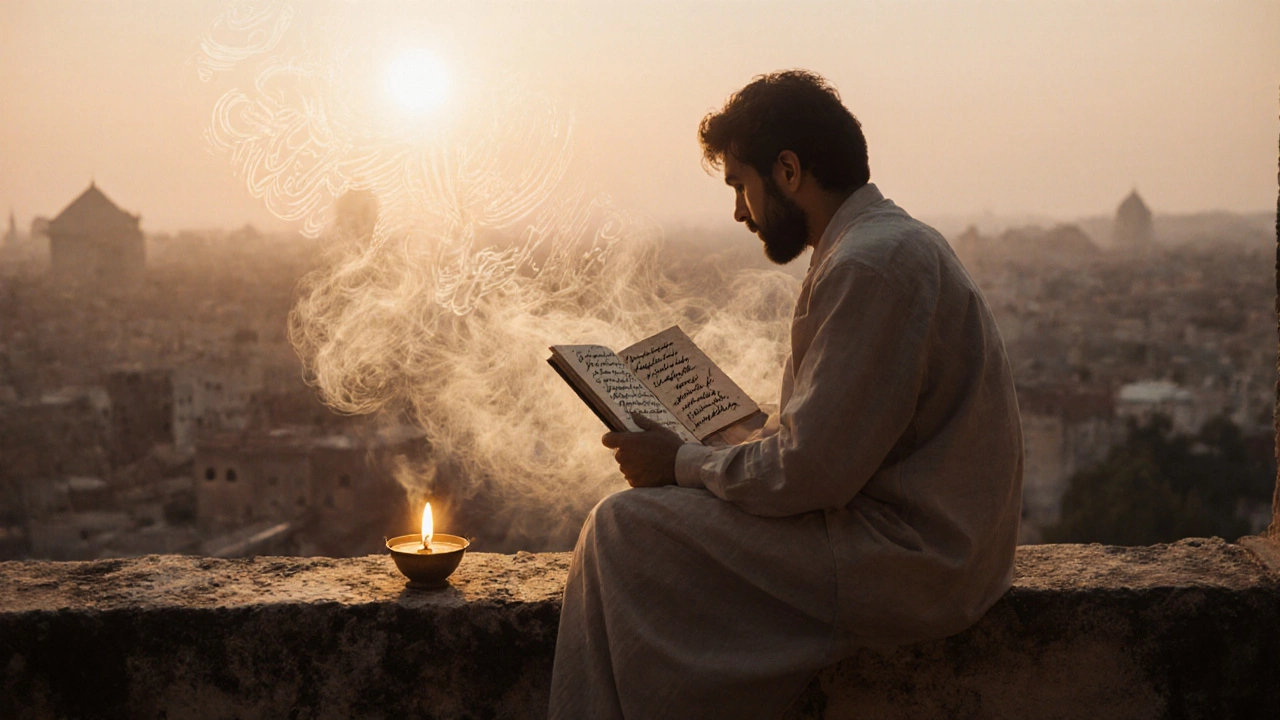
Heartbreak Poetry: Raw Emotions in Indian Voices
When you think of heartbreak poetry, poetry that gives voice to deep emotional pain, often rooted in personal loss, unspoken grief, or societal silence. Also known as sad poetry, it doesn't shout—it whispers in the spaces between breaths. In India, heartbreak poetry isn’t a trend. It’s a tradition passed down through village lullabies, handwritten letters, and poems scribbled on temple walls. It’s not about dramatic endings. It’s about the quiet mornings after tears dried, the phone calls that never came, the love that stayed but never returned.
This kind of poetry lives where silence is louder than words. It’s in the mother who sings to her child while hiding her own sorrow. It’s in the daughter who doesn’t cry at her father’s funeral because she’s already cried for years. Indian suppressed emotions, feelings held back due to cultural pressure to stay strong, especially in public or family settings don’t vanish—they turn into verse. And in that verse, there’s no shame. Only truth. You won’t find this poetry in textbooks. You’ll find it in WhatsApp statuses at 3 a.m., in handwritten notes tucked inside old diaries, in the way someone quotes a line from a forgotten poet to explain why they can’t eat breakfast anymore.
emotional release, the act of letting go of pent-up feelings through expression, often through art, writing, or music isn’t encouraged in many Indian households. Crying is called weak. Talking about pain is called drama. But poetry? Poetry is allowed. It’s the one space where you can say, ‘I’m broken,’ and no one tells you to pull yourself together. That’s why Indian sad poetry, poetry from India that explores grief, loneliness, and unspoken loss through cultural and personal lenses cuts so deep. It doesn’t ask for pity. It asks for recognition. And in these poems, you find your own silence reflected back at you.
What you’ll find here isn’t just lines about lost love. It’s about the weight of expectations. The loneliness of being the strong one. The grief of outliving your dreams. The quiet courage it takes to keep going when no one sees how hard you’re fighting. These aren’t poems for applause. They’re poems for survival. And every one of them was written by someone who didn’t know they were speaking for you too.