What Is the Way of Life in India? A Real Look at Daily Living
The way of life in India is shaped by family, faith, food, and resilience. It’s not one story-it’s hundreds, woven together across cities, villages, and generations.
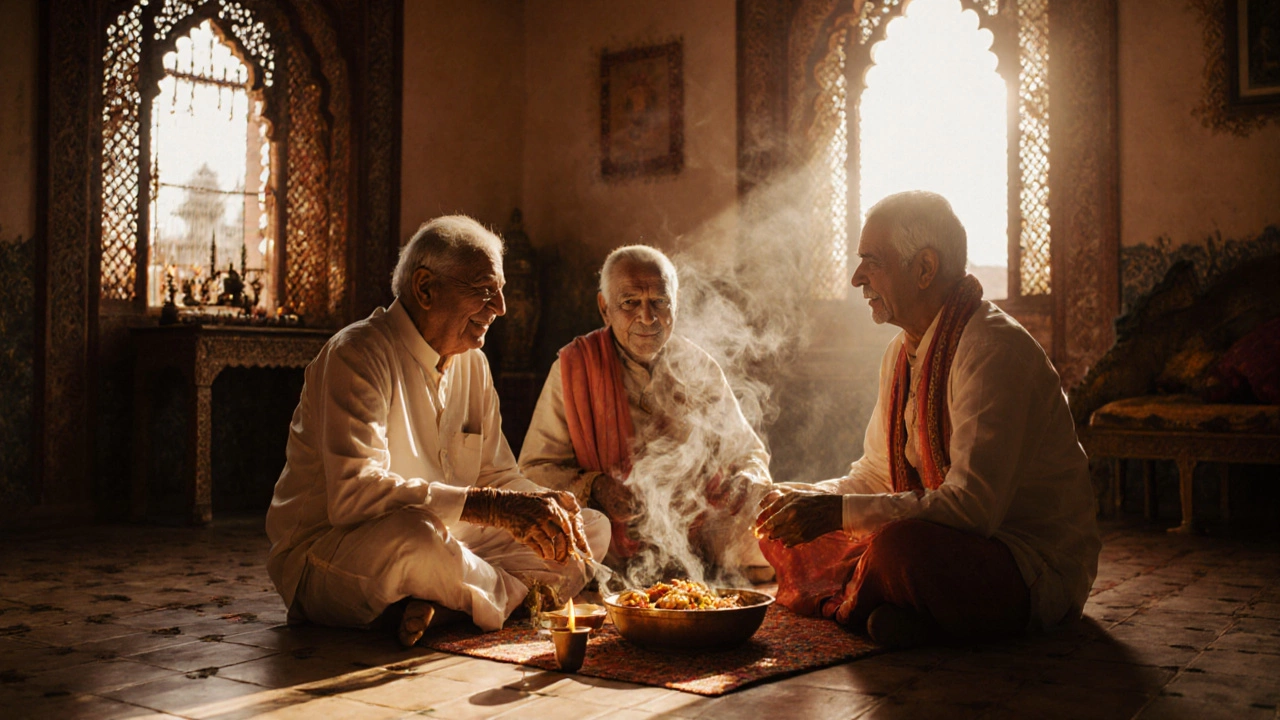
When we talk about Indian lifestyle, the everyday rhythm of life in India shaped by spiritual practice, family bonds, and cultural resilience. Also known as Indian way of life, it isn’t about grand gestures—it’s in the way someone lights a diya before sunrise, shares a meal without asking who’s hungry, or sits in silence after a long day. This isn’t a tourist brochure version. It’s the real thing: the smell of turmeric in a kitchen at dawn, the sound of temple bells blending with traffic, the unspoken understanding that some things—like respect for elders or patience in queues—aren’t taught, they’re breathed in.
The Indian culture, a living mosaic of languages, faiths, and customs that shape how people live, think, and connect. Also known as Indian heritage, it doesn’t ask you to choose between modernity and tradition—it lets you carry both. You’ll find it in a tech worker in Bangalore who meditates before checking emails, and in a grandmother in Varanasi who chants mantras while grinding spices. It’s in the way food is shared, not served. In the way silence isn’t awkward—it’s sacred. This culture doesn’t shout. It whispers. And if you listen closely, you’ll hear it in the way people say "ji" not just as a yes, but as a sign of honor.
At the heart of this lifestyle is spiritual India, the deep, quiet thread of inner awareness that runs through daily routines—from yoga at sunrise to letting go of outcomes in work and relationships. Also known as Indian spirituality, it’s not about temples alone—it’s in how people handle loss, delay, or disappointment without breaking. You won’t find it in flashy ads. You’ll find it in the poem about crying being courage, the quote about resilience being louder than noise, the wisdom that peace isn’t found in escape, but in presence. This isn’t philosophy for monks. It’s practical. It’s what keeps families together when money runs low. It’s why people still wake up early to clean their doorstep before the sun rises.
What you’ll find below isn’t a list of festivals or clothes. It’s the real texture of daily life in India—the rituals that don’t make headlines but hold everything together. From how people eat roti with their hands as a form of connection, to why silence is valued more than speech in moments of grief. You’ll see how Indian values show up in friendship quotes, in birthday wishes, in the way people mourn, celebrate, and keep going—even when the world feels heavy. These aren’t stories from books. They’re lived truths. And they’re waiting for you here.
The way of life in India is shaped by family, faith, food, and resilience. It’s not one story-it’s hundreds, woven together across cities, villages, and generations.