Emotional Resonance Checker
Is your current mood a creative muse or a signal for support? Use this reflective tool to explore the nature of your sadness. (This is an educational guide, not a medical diagnosis)
Your Analysis
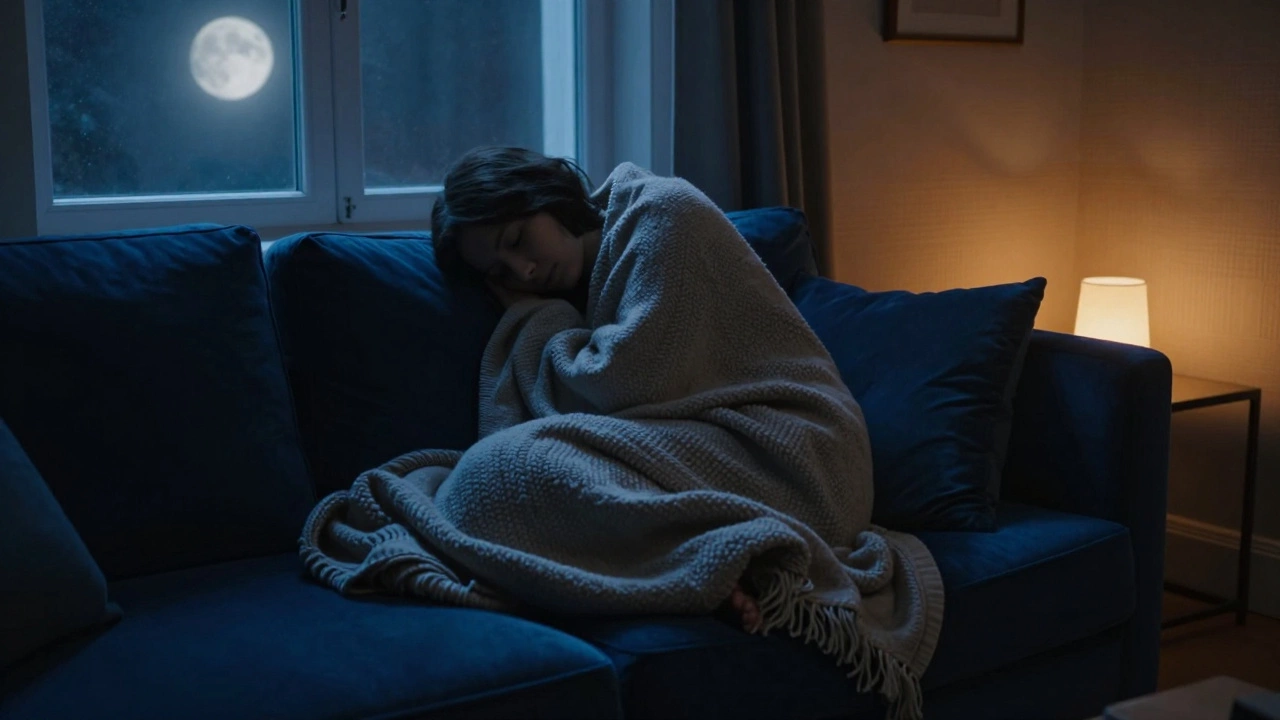
The Comfort of the "Sad Aesthetic"
Why would anyone want to stay in a dark place? For many, it's about identity. When you're happy, you're just another person in the crowd. But when you embrace the gloom, you feel like a protagonist in a tragedy. This is often called "romanticizing" sadness. It turns a painful emotion into an art form. Think about the way we consume media. We don't usually watch a movie where everything goes right for two hours; we watch the struggle, the heartbreak, and the longing. When a person identifies with these themes, they start to see their own sadness as a badge of sensitivity. They feel that by embracing the dark, they are seeing the world more clearly than those who are blinded by optimism.The Role of Indian Poetic Traditions
In India, the expression of longing and sorrow has a rich, centuries-old history. If you look at the tradition of Ghazals, you'll see that sadness is the primary currency. A Ghazal is not just a poem; it's a structured exploration of loss, unrequited love, and the pain of separation. When someone reads or writes these verses, they aren't necessarily trying to "get better." Instead, they are practicing what psychologists call emotional regulation. By putting a name to the ache, the sadness becomes manageable. It transforms from a chaotic internal storm into a beautiful, rhythmic piece of art. For many in India, the beauty of a perfectly crafted couplet about a broken heart provides more comfort than a generic "stay positive" mantra.| Feature | Clinical Depression | Aesthetic Melancholy |
|---|---|---|
| Primary Driver | Chemical imbalance / Trauma | Emotional longing / Artistic leaning |
| Function | Disrupts daily living | Provides a sense of identity/depth |
| Outcome | Requires medical intervention | Often expressed through art/poetry |
| Feeling | Numbness, hopelessness | Sweet sorrow, pensive longing |
The Psychology of Emotional Masochism
There is a phenomenon where the brain actually finds a reward in sadness. It sounds contradictory, but when we engage with sad music or poetry, our bodies may release Prolactin, a hormone associated with grief and lactation that helps soothe the body. It's a biological "consolation prize." When you "enjoy" being sad, you might actually be enjoying this chemical release. It creates a feeling of warmth and safety. This is why you might find yourself listening to the most heartbreaking songs on repeat when you're already feeling down. You aren't trying to make yourself more miserable; you're trying to lean into the emotion until it peaks and then releases you.When Comfort Becomes a Trap
There's a thin line between finding beauty in sadness and becoming a prisoner to it. When a person builds their entire identity around being the "sad soul," they might subconsciously resist recovery. If they get "better," they lose the very thing that makes them feel unique or artistic. This is the danger of the "tortured artist" trope. We've been told for years that great art comes from great pain. While that might be true for some, it often leads people to believe they *need* to stay depressed to remain creative. In reality, the most sustainable creativity comes from a place of health, where you can visit the darkness and return from it, rather than living there permanently.Finding the Balance Between Art and Health
How do you appreciate the depth of melancholy without drowning in it? The key is to use art as a bridge, not a destination. Reading sad poetry or listening to soulful music can be a way to process emotions, but it should be paired with actions that ground you in the physical world. If you find yourself longing for the sadness, ask yourself: what is this feeling giving me? Is it a sense of belonging? A feeling of being understood? Once you identify the need, you can find healthier ways to fill it. You can still love the haunting beauty of a midnight poem without letting the darkness extinguish your light.Is it normal to feel better when I'm sad?
Yes, it is quite common. This often happens because sadness can feel more "honest" than forced happiness. Additionally, engaging with sad art can trigger the release of soothing hormones like prolactin, which creates a feeling of emotional comfort and relief.
What is the difference between melancholia and depression?
Melancholia is often a mood or a personality trait characterized by a pensive, longing sadness. Depression is a clinical mental health disorder that affects a person's ability to function, sleep, eat, and experience pleasure. While melancholia can be an aesthetic choice or a mood, depression is a medical condition.
Why do some people romanticize their sadness?
Romanticizing sadness often stems from a desire for identity and meaning. It allows a person to transform their pain into something beautiful or purposeful, making them feel more profound or sensitive than others.
Can sad poetry actually help someone with depression?
It can. By providing a language for complex emotions, poetry helps people feel less alone. It validates their experience. However, it should be used as a tool for expression and reflection, not as a replacement for professional therapy.
How do I know if my love for melancholy is becoming a problem?
It becomes a problem when you start avoiding positive experiences because they feel "shallow," or when you find yourself intentionally sabotaging your happiness to maintain a sad identity. If sadness prevents you from working, socializing, or caring for yourself, it's time to seek support.