One-Liner Impact Analyzer
Analysis Breakdown:
- Length Check:
- Structure:
- Engagement Potential:
Enter a quote and click "Analyze Impact" to see how it scores on brevity, clarity, and engagement potential.
Have you ever scrolled through your feed and stopped dead in your tracks because a single sentence hit you right in the feels? That’s the power of a one-line quote. In a world where attention spans are shrinking faster than we can blink, these tiny bursts of wisdom have become the currency of digital communication. They are not just words; they are emotional triggers wrapped in brevity.
If you are looking to spice up your WhatsApp status, Instagram bio, or Twitter thread, understanding what makes a one-liner work is crucial. It’s not about writing less for the sake of being lazy. It’s about precision. It’s about saying everything with nothing extra. Let’s break down exactly what these quotes are, why they dominate our screens, and how you can craft or choose them to make an impact.
The Anatomy of a Perfect One-Liner
A one-line quote is a concise statement that conveys a complete thought, emotion, or idea within a single sentence. Unlike long paragraphs that require patience to read, a one-liner demands immediate attention. It relies on clarity, rhythm, and often, a twist.
Think of it like a haiku but without the strict syllable count. The goal is impact per character. When you post a status update, people usually scroll past in milliseconds. If your text takes more than three seconds to process, you’ve lost them. A well-crafted one-liner respects the reader’s time while delivering maximum value.
Consider the difference between these two statements:
- Long version: "I feel really tired today because I didn’t sleep well last night and now I have so much work to do, which makes me want to hide under my blankets forever."
- One-liner: "Running on caffeine and chaos."
Which one stops the scroll? The second one does the heavy lifting by implying the context rather than explaining it. This economy of language is the hallmark of effective short quotes.
Why Brevity Wins in the Digital Age
We live in the era of the micro-update. Platforms like WhatsApp, Instagram Stories, and X (formerly Twitter) thrive on quick consumption. According to recent digital behavior studies, the average user spends less than 15 seconds viewing a story before swiping away. Your quote needs to land its punch within those first few seconds.
Brevity creates mystery. When you leave out details, you invite the reader to fill in the blanks with their own experiences. This psychological engagement makes the quote stickier. A vague generalization like "Life is hard" is forgettable. But "Adulting is just guessing until you get it right" resonates because it paints a specific, relatable picture.
Furthermore, short quotes are highly shareable. People are more likely to forward a witty one-liner to a friend or save it as a note than they are to share a lengthy philosophical essay. This virality is why brands and influencers alike have adopted the punchy caption strategy. It’s efficient marketing disguised as casual conversation.
Types of One-Line Quotes You Should Know
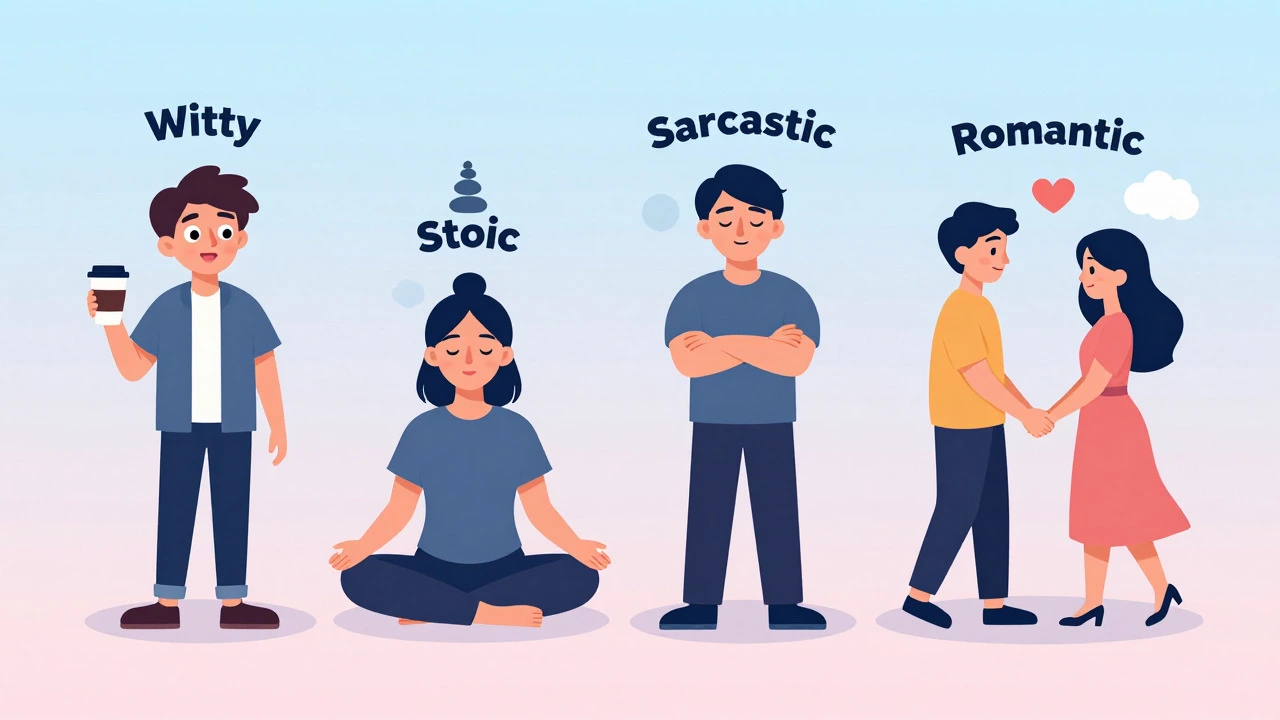
Not all one-liners are created equal. Depending on your mood and audience, you might lean towards different styles. Here are the most common categories that dominate social feeds:
1. The Witty Observer
These quotes use humor to highlight absurdities in daily life. They are perfect for breaking the ice or showing personality without trying too hard.
- "I’m not arguing, I’m just explaining why I’m right."
- "My bed is a magical place where I suddenly remember everything I forgot to do."
2. The Stoic Truth-Teller
Inspired by ancient philosophy but modernized for today’s hustle culture, these quotes offer calm advice amidst chaos. They appeal to readers seeking motivation or perspective.
- "Control what you can, ignore the rest."
- "Your vibe attracts your tribe."
3. The Sarcastic Rebel
Sarcasm is a love language for many internet users. These quotes allow you to vent frustration in a socially acceptable, funny way.
- "I need a six-month vacation, twice a year."
- "Reality called, so I hung up."
4. The Romantic Minimalist
Love doesn’t always need sonnets. Sometimes, a simple declaration carries more weight because of its simplicity.
- "You’re my favorite distraction."
- "Home is wherever you are."
How to Choose the Right Quote for Your Status
Selecting a WhatsApp status isn’t just about picking something that sounds cool. It’s about alignment. Ask yourself: What am I trying to communicate? Am I feeling reflective, angry, joyful, or bored?
If you had a tough day at work, a sarcastic quote about coffee might resonate with your colleagues who understand the struggle. If you just achieved a personal milestone, a stoic truth-teller about perseverance will inspire your friends. Context is king. A quote about heartbreak posted on a birthday looks confusing. A quote about celebration posted during a funeral is insensitive.
Also, consider your audience. Are your contacts mostly family, friends, or professional acquaintances? Family groups might appreciate wholesome, heart-touching lines. Professional networks might prefer motivational or industry-specific wit. Tailoring your choice ensures you connect rather than confuse.
Crafting Your Own One-Liners: A Simple Framework
You don’t always need to copy famous authors. Some of the best quotes come from your own observations. Here is a simple three-step method to create your own:
- Identify the Core Emotion: What are you feeling? Frustration? Joy? Exhaustion? Name it clearly.
- Find the Contrast: Humor and insight often come from juxtaposing two opposing ideas. For example, combining "tired" with "excited" creates tension.
- Trim the Fat: Remove every word that doesn’t add meaning. If you can say it in five words instead of ten, do it.
For instance, if you are frustrated with technology, start with "Technology is annoying." Add contrast: "Technology promises ease but delivers headaches." Trim it: "Tech: promising ease, delivering headaches." See how the final version is sharper?
| Style | Best Used When... | Audience Reaction |
|---|---|---|
| Witty | You want to appear fun and approachable | Laughs, shares, comments |
| Stoic | You seek respect or inspiration | Reflects, saves, likes |
| Sarcastic | You want to vent safely | Relates, tags friends |
| Romantic | You want to express affection subtly | Feels warm, DMs you |
Common Mistakes to Avoid
Even experienced writers stumble when crafting one-liners. Here are pitfalls to watch out for:
- Being Too Vague: "Life is good" tells us nothing. "Sunday mornings are for pancakes and peace" paints a picture.
- Overusing Clichés: Phrases like "live, laugh, love" have lost their meaning due to overexposure. Try to find fresh angles on old truths.
- Ignoring Punctuation: A period ends a thought. An ellipsis (...) suggests continuation. Using the wrong punctuation can change the tone entirely. "I hate you." vs "I hate you..." convey very different emotions.
- Trying Too Hard: Forced wit falls flat. Authenticity beats cleverness every time. If it doesn’t sound like something you’d say, don’t post it.

The Psychology Behind Viral Quotes
Why do some quotes go viral while others vanish into the void? Psychologists point to a concept called "social currency." People share content that makes them look smart, funny, or insightful to their peers. A well-chosen one-liner acts as a badge of identity. It says, "This is who I am," without requiring a speech.
Additionally, there is the element of surprise. The brain loves patterns, but it loves broken patterns even more. A quote that starts normally and ends with a twist triggers a dopamine release. This is why misdirection works so well in comedy and advertising. The unexpected payoff makes the content memorable.
Consider this example: "I followed my heart. It led me to the fridge." The setup implies romance or destiny. The punchline reveals hunger. The shift creates delight. This structure is repeatable and powerful.
Where to Find Inspiration
If you are stuck, look around. Literature, movies, and everyday conversations are goldmines for one-liners. Classic books often contain dense prose that can be distilled into sharp sentences. Movies, especially comedies and dramas, rely heavily on dialogue that snaps.
You can also draw from cultural idioms. In Indian culture, for instance, proverbs often carry deep wisdom in few words. Translating or adapting these into English can yield unique, culturally rich quotes that stand out from generic Western-centric lists.
Keep a notes app dedicated to snippets. Jot down funny things people say, interesting observations, or phrases that catch your ear. Over time, you’ll build a library of raw material to refine into polished one-liners.
Final Thoughts on Short-Form Power
Mastering the art of the one-line quote is a skill that extends beyond social media. It improves your ability to communicate clearly in emails, presentations, and conversations. It teaches you to value precision and respect your audience’s time.
So next time you open your status editor, don’t just type whatever comes to mind. Pause. Think. Craft. Aim for that sweet spot where brevity meets brilliance. Your followers will thank you, and you might just find that saying less actually helps you say more.
What is the difference between a quote and a one-liner?
A quote can be any length, from a single word to a full page. A one-liner is specifically constrained to a single sentence or line of text. While all one-liners are quotes, not all quotes are one-liners. The key distinction is brevity and immediacy.
Are one-line quotes better for SEO?
Not directly for search engines, but yes for user engagement. Search engines favor content that keeps users on the page. Engaging, shareable quotes increase dwell time and social signals, which indirectly boost SEO performance. However, standalone quotes rarely rank high without surrounding contextual content.
Can I use famous quotes as my WhatsApp status?
Absolutely. Using famous quotes is a great way to align yourself with certain values or personalities. Just ensure the attribution is clear if you want to give credit, though for personal statuses, it’s optional. Always check if the quote fits your current mood and audience.
How do I make my own quotes go viral?
Focus on relatability and emotion. Viral quotes tap into universal feelings like frustration, joy, or love. Use simple language, avoid jargon, and add a twist or humor. Timing also matters-posting when your audience is most active increases visibility.
Is sarcasm appropriate for professional networks?
Generally, no. Sarcasm can be misinterpreted in text format, leading to misunderstandings. On platforms like LinkedIn, stick to inspirational, professional, or mildly humorous quotes that enhance your brand image without risking offense.