Indian Food Safety Guide
Get Safe Food Recommendations
Answer a few simple questions to find what foods you can safely enjoy in India based on your preferences.
When Americans first land in India, the biggest question isn’t about tuk-tuks or temples-it’s about food. What can Americans eat in India? It’s a real concern. You’ve heard stories about stomach troubles, street food horror tales, and the fear that something as simple as a samosa could ruin your trip. But here’s the truth: millions of American travelers eat in India every year-and most of them don’t get sick. The key isn’t avoiding Indian food. It’s knowing what to choose, where to eat, and how to protect yourself without turning your trip into a food-free zone.
Start With the Familiar: Indian Dishes That Feel Like Home
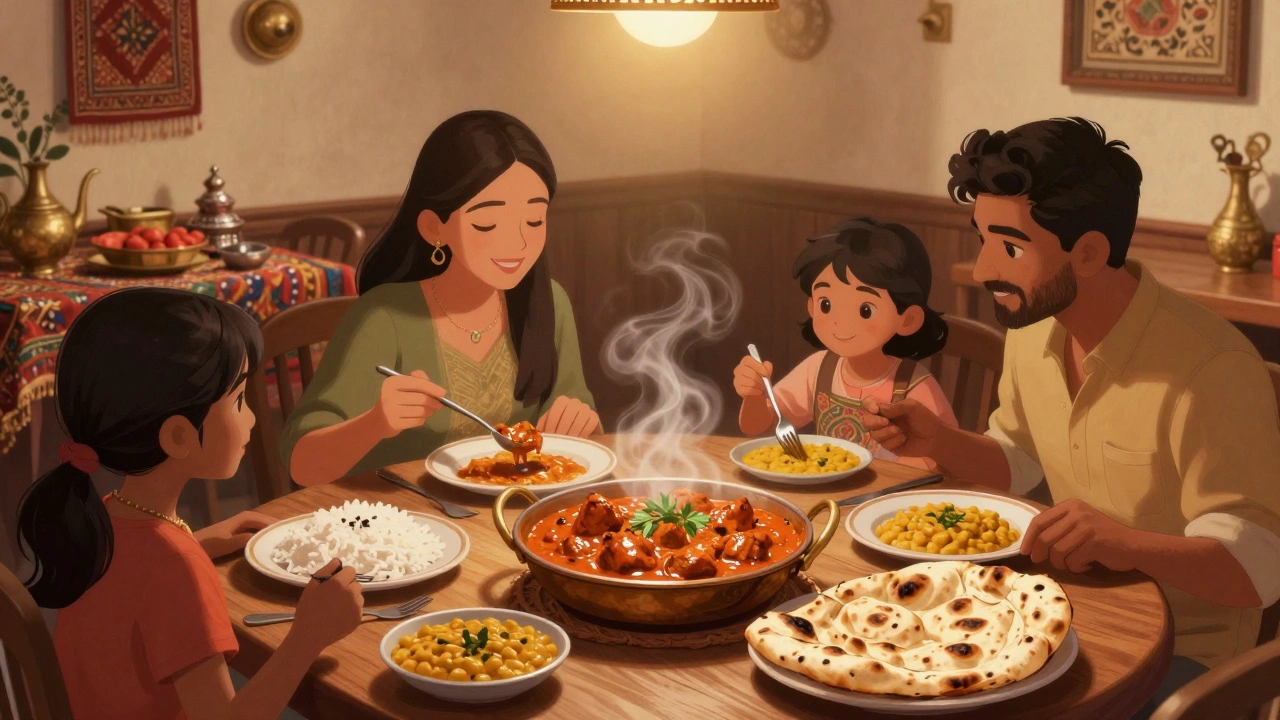
You don’t have to dive straight into chili-laced vindaloo or fermented dosa on day one. Many Indian dishes are naturally mild, comforting, and surprisingly similar to American comfort foods. Think of them as the Indian version of mac and cheese or grilled cheese.- Paneer tikka-grilled cubes of fresh cheese, marinated in yogurt and mild spices. It’s like chicken skewers, but vegetarian and just as juicy.
- Butter chicken-creamy, tomato-based sauce with tender chicken. It’s sweet, smoky, and mild enough for kids or anyone who’s never tried Indian food before.
- Naan bread-soft, oven-baked flatbread. Perfect for scooping up sauces or just eating plain with butter. It’s the Indian answer to dinner rolls.
- Chana masala-spiced chickpeas in a tangy tomato gravy. High in protein, filling, and not spicy unless you ask for it hot.
- Rice and dal-basic yellow lentils cooked with cumin and turmeric, served with plain white rice. It’s like rice and beans, but with more flavor and less sodium.
Street Food? Yes. But Not Just Anywhere.
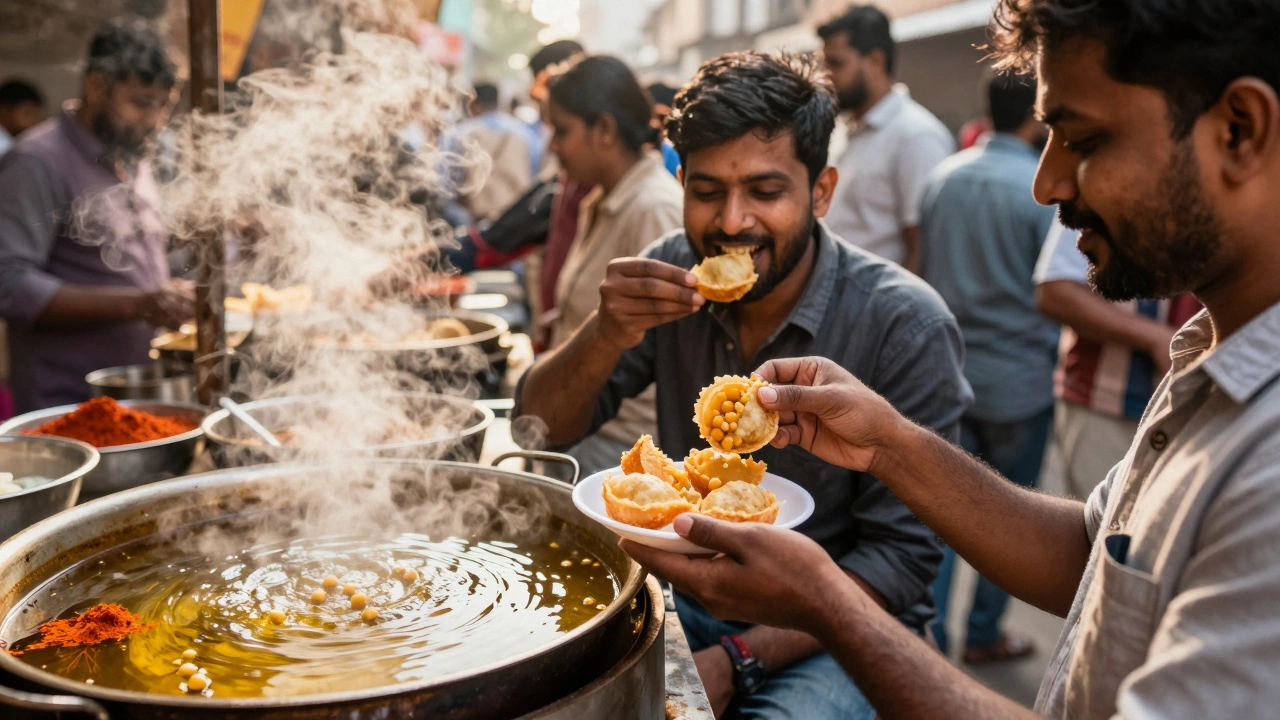
The idea of eating from a street vendor in India terrifies some Americans. But street food is where India’s soul lives. And yes, it’s safe-if you know what to look for.- Choose busy stalls-if locals are lined up, it’s a good sign. High turnover means food is fresh and not sitting out for hours.
- Watch the oil-frying in hot oil kills bacteria. Look for vendors using fresh oil (clear, not dark and gunky) and frying food in front of you.
- Go for dry or hot items-samosas, pakoras, and jalebis are fried and served hot. These are safer than salads, chutneys, or anything with raw veggies.
- Stick to bottled water-even for brushing your teeth. Avoid ice unless you’re sure it’s made from purified water.
- Try pani puri-a popular snack of hollow crispy shells filled with spiced water, tamarind chutney, and chickpeas. It’s messy, fun, and surprisingly safe if the vendor looks clean and the water is fresh.
What to Avoid (And Why)
Some foods are riskier, not because they’re bad, but because they’re handled in ways that can cause trouble if your system isn’t used to it.- Raw salads-lettuce, cucumbers, tomatoes. They’re often washed in tap water. Skip them unless you’re in a high-end hotel or restaurant that sources imported produce.
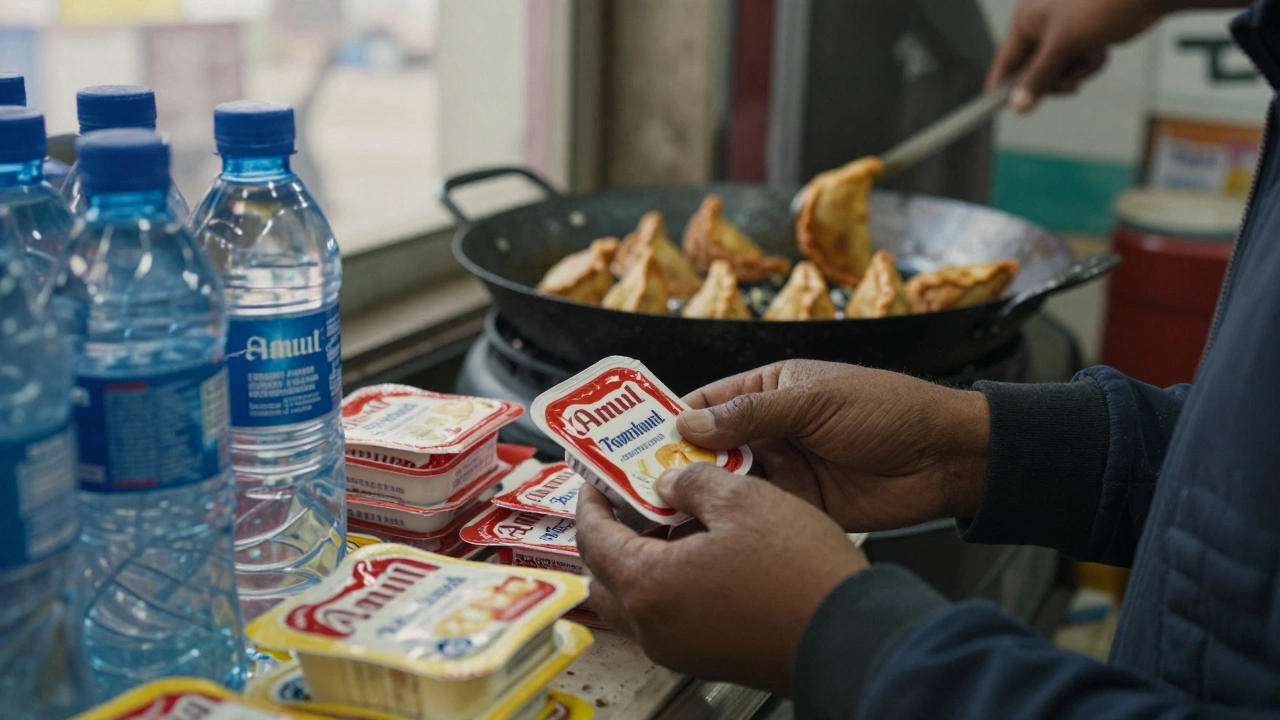
- Unpasteurized dairy-like fresh paneer or homemade yogurt from small vendors. Stick to packaged brands like Amul or Mother Dairy, which are pasteurized and widely available.
- Cold milk drinks-like lassi or milkshakes from roadside stalls. They’re often made with watered-down milk and ice. Stick to bottled lassi or ask for it without ice.
- Unpeeled fruits-bananas and oranges are fine because you peel them. But avoid apples, grapes, or berries unless you’re sure they’ve been washed properly.
Food Safety Rules That Actually Work
There’s no magic bullet. But these simple habits have kept travelers healthy for years.- Wash your hands-before every meal. Carry alcohol-based hand sanitizer. Use it after touching money, railings, or public transport.
- Use your right hand-in India, the left hand is considered unclean. Even if you’re eating with utensils, avoid touching shared plates with your left hand.
- Order food hot-if it’s lukewarm or sitting out, don’t eat it. Heat kills bacteria.
- Try probiotics-take a daily probiotic supplement before and during your trip. Studies show they reduce traveler’s diarrhea risk by up to 40%.
- Bring loperamide-Imodium or similar meds. If you do get an upset stomach, it’s not the end of the world. Just rest, hydrate, and take it as directed.
Regional Differences Matter
India isn’t one country when it comes to food. The north, south, east, and west each have wildly different styles.- North India-rich, creamy, bread-heavy. Think butter chicken, parathas, and kebabs. Best for beginners.
- South India-spicier, rice-based, fermented. Dosa, idli, sambar. More acidic and tangy. If you’re used to sour cream or pickles, you’ll handle it fine.
- West India-sweet and spicy mix. Think dhokla (steamed chickpea cakes) and the famous vada pav (spicy potato burger). Mumbai’s street food is legendary and generally safe.
- East India-mild, fish-heavy, sweet. Bengali cuisine uses mustard oil and fish curries. Less common on tourist trails, but worth trying if you’re adventurous.
What Americans Actually Love in India
Based on traveler surveys from 2024 and 2025, these are the top 5 dishes Americans say they fell in love with:| Rank | Dish | Why Americans Loved It |
|---|---|---|
| 1 | Butter Chicken | Rich, creamy, not spicy. Tastes like comfort food with a twist. |
| 2 | Masala Chai | Sweet, spicy, served hot. Better than any coffee shop latte. |
| 3 | Pani Puri | Fun to eat. Burst of flavor. Like a spicy, tangy popcorn. |
| 4 | Vegetable Biryani | Fluffy rice with spices, veggies, and saffron. Feels luxurious. |
| 5 | Jalebi | Crispy, syrupy, warm. Think funnel cake, but better. |
What If You Get Sick?
It happens. Even the most careful travelers get a stomach bug. But it’s rarely serious.- Stay hydrated-drink bottled water, coconut water, or oral rehydration salts. Don’t wait until you’re dizzy.
- Don’t panic-most cases last 24-48 hours. Rest. Eat bland food like rice, toast, or bananas.
- Call your hotel-most upscale hotels have a doctor on call or can arrange a clinic visit.
- Use telemedicine-apps like Practo or 1mg let you video-call Indian doctors. They can prescribe meds without leaving your room.
Final Tip: Eat Like a Local, Not a Tourist
The best way to eat safely in India is to follow the locals. If you see a group of Indian families eating at a roadside stall, chances are it’s safe. If you’re the only foreigner at a table, ask the staff: “Is this food cooked fresh?” Most will smile and say yes. India’s food isn’t dangerous. It’s just different. And once you get past the fear, you’ll realize it’s one of the most rewarding parts of the trip. You’ll remember the taste of butter chicken on a rooftop in Jaipur, the crunch of a hot samosa in Varanasi, or the sweet warmth of jalebi after a long day of walking. Don’t let fear keep you from tasting India. Just be smart. Eat smart. And let your taste buds lead the way.Can Americans eat street food in India safely?
Yes, Americans can eat street food in India safely-if they follow basic rules. Choose stalls with high turnover, watch for fresh oil and hot cooking, avoid raw veggies or unpeeled fruits, and always use bottled water. Popular snacks like samosas, jalebi, and pani puri are generally safe and widely enjoyed by travelers.
What Indian dishes are best for first-time visitors?
Start with mild, familiar dishes like butter chicken, paneer tikka, naan bread, chana masala, and rice with dal. These are creamy, not overly spicy, and widely available in hotels and tourist restaurants. Masala chai and jalebi are also great sweet introductions to Indian flavors.
Should Americans avoid dairy in India?
Avoid homemade or unmarked dairy products. Stick to trusted brands like Amul, Mother Dairy, or Nestlé, which are pasteurized and sold in sealed packs. Packaged milk, yogurt, and paneer from supermarkets are safe. Don’t drink milk from roadside vendors or eat fresh paneer from small shops without clear labeling.
Is Indian food too spicy for Americans?
Not necessarily. Many Indian dishes are naturally mild. When ordering, say “no spice” or “less chili” (in Hindi: “thoda kam mirch”). Most restaurants will adjust. Avoid dishes labeled “hot” or “spicy” unless you’re used to heat. Start with butter chicken or paneer tikka-both are flavorful without burning.
What should Americans drink in India?
Only drink bottled water, sealed coconut water, or boiled tea/coffee. Avoid tap water, ice in drinks, and fresh juices from street vendors unless you’re sure they use purified water. Bottled brands like Kinley, Aquafina, or Bisleri are widely available and safe. Masala chai is fine if served hot and made with boiled water.