Indian Wedding Tradition Explorer
Discover what makes an Indian wedding unique. Select a region or view the universal timeline of events below.
Quick Etiquette Check
The Multi-Day Journey
An Indian wedding is not a single event but a festival lasting 3–7 days. Here is the typical flow:
Day 1-2: The Warm-Up
Roka/Ashirwad: Formal engagement announcement. Families meet, exchange sweets, and agree to the match.
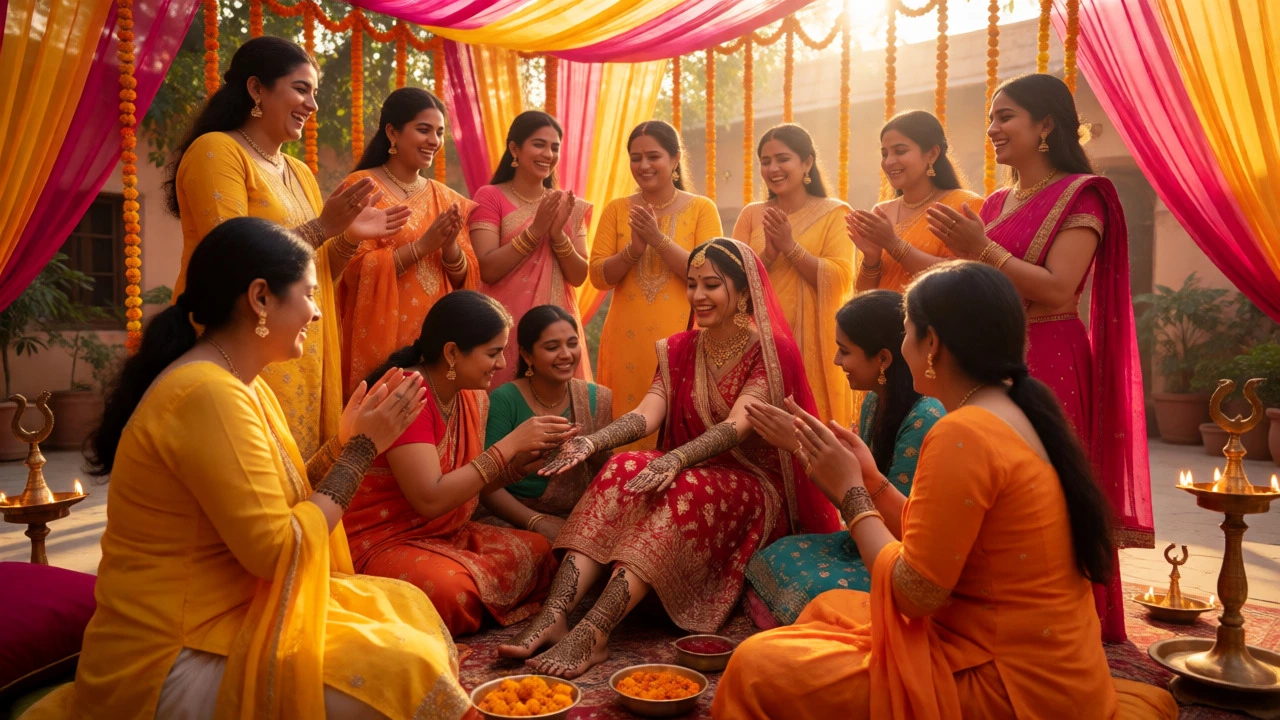
Mehndi: Henna application ceremony. Intricate designs are drawn on hands/feet. Upbeat folk music plays.
Sangeet: High-energy musical night with choreographed dances from both families.
Day 3 (Main Event): Morning Rituals
Ganesh Puja: Invoking Lord Ganesha to remove obstacles.
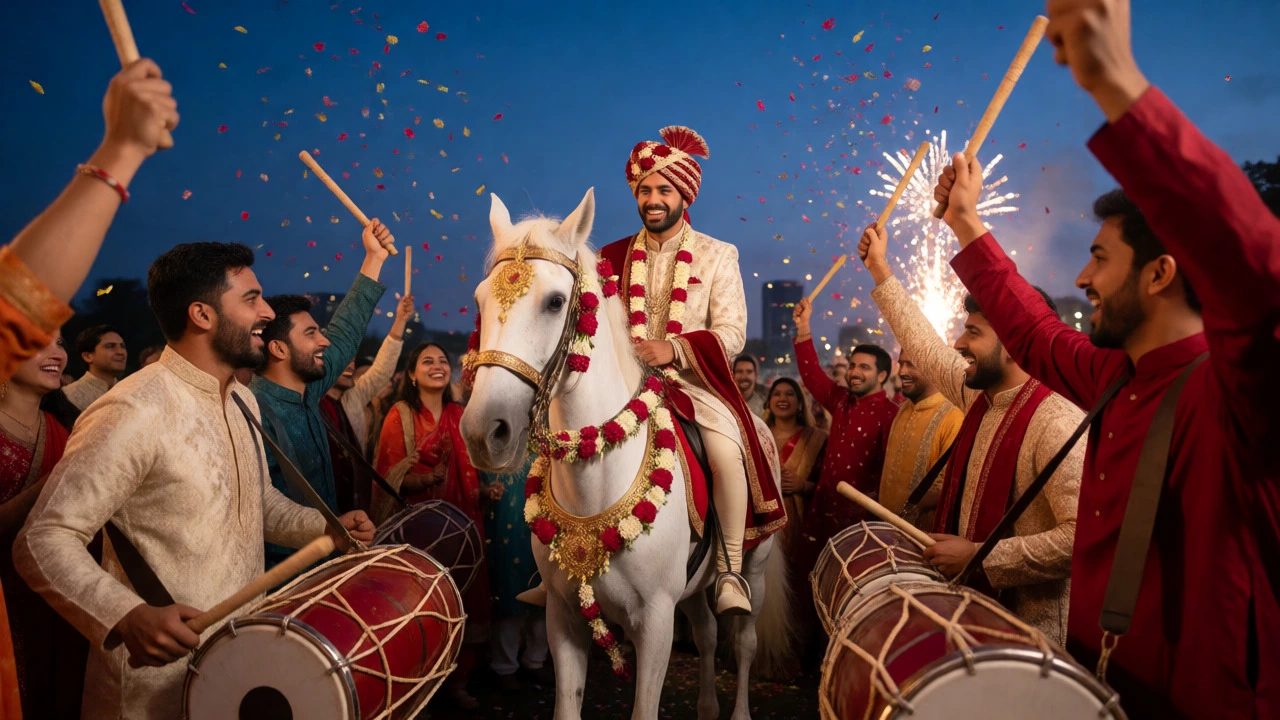
Baraat: Groom’s procession with dancing relatives, dhol drums, and often a decorated horse.
Milni: Introduction of extended families; exchanging garlands and hugs.
Day 3 (Main Event): Sacred Core
Kanyadaan: "Giving away the maiden." Emotional moment where the father places his daughter's hand in the groom's.
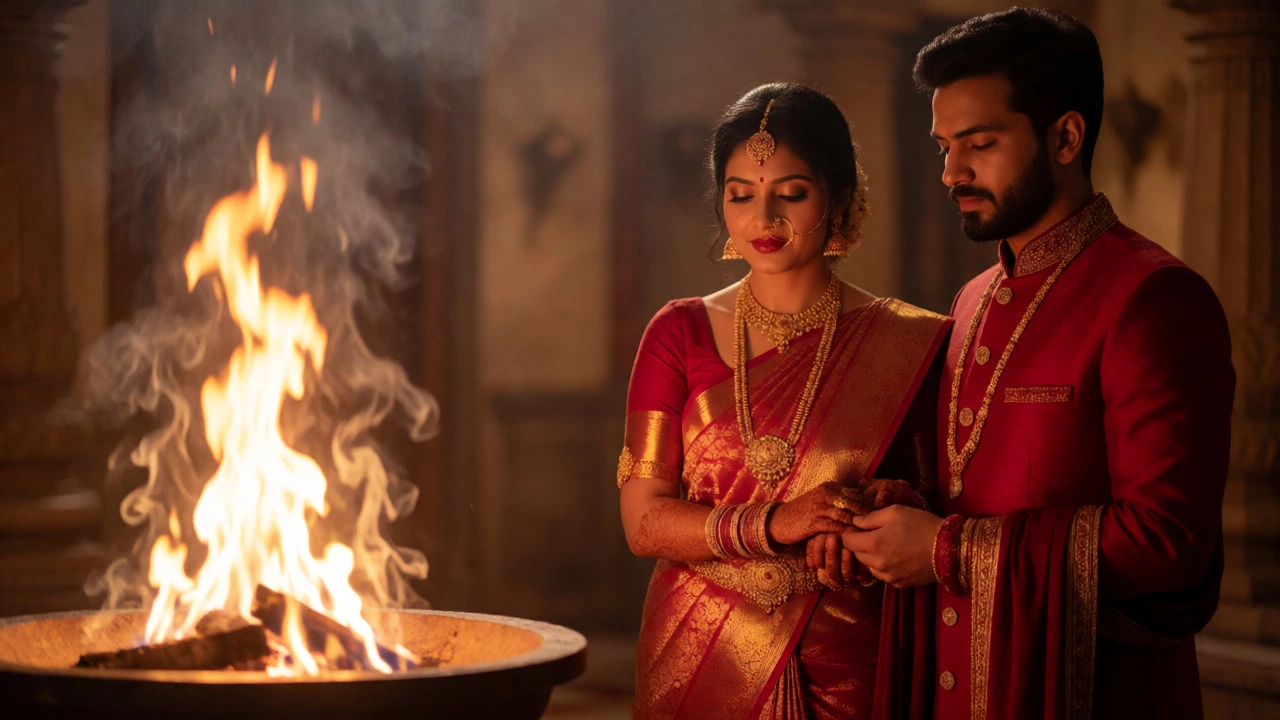
Saptapadi (Seven Steps): The couple circles the sacred fire (Agni) seven times, making vows for nourishment, strength, prosperity, knowledge, children, health, and friendship.
Evening & Next Day: Celebration & Farewell
Reception: Secular celebration with massive vegetarian feasts and modern/pop dancing.
Vidaai/Doli: Bride leaves parental home, throwing rice backward as a symbol of gratitude and prosperity.
Griha Pravesh: Homecoming at groom's house, welcomed by mother-in-law.
Think you know what an Indian wedding looks like? If your mental image is just a single day of exchanging garlands and taking photos, you are missing about 90% of the action. An Indian wedding isn't just an event; it is a multi-day festival that can last anywhere from three to seven days depending on the region, community, and family budget. It is less about a quick legal contract and more about a massive social gathering where entire villages or neighborhoods show up to eat, dance, and bless the couple.
Why does it take so long? Because in many parts of India, marriage is seen as a sacred duty involving not just two people, but their ancestors, their gods, and their future generations. The rituals are designed to purify the couple, ward off evil spirits, and bind their families together. So, if you have been invited to one-or are planning your own-here is exactly what happens, step by step, without the confusing jargon.
The Pre-Wedding Rituals: Setting the Stage
Before the big day even arrives, several ceremonies set the tone. These aren't optional add-ons; they are essential for spiritual readiness and logistical preparation.
The process usually kicks off with the Roka (or Ashirwad). This is the formal announcement of the engagement. In simple terms, it’s when both families meet, exchange sweets, and officially agree that the match is on. There is no grand stage here-often it’s just immediate family sitting in a living room. The groom’s side brings gifts for the bride, and vice versa. It’s low-key but marks the point of no return socially.
Next comes the Mehndi ceremony. While often marketed internationally as a "Henna Night," its roots are deeply traditional. The bride sits while artists draw intricate patterns on her hands and feet using henna paste. Why henna? Beyond aesthetics, it has cooling properties, which helps calm the bride’s nerves before the stressful main event. Family members also get their palms decorated. The music is upbeat, often featuring folk songs specific to the region (like Punjabi Bhangra or South Indian classical tunes). It’s a women-centric space where gossip flows freely and tensions ease.
Then there is the Sangeet. Historically, this was a musical night where women sang traditional folk songs. Today, it has evolved into a high-energy party. Both sides perform choreographed dances. It’s competitive, loud, and incredibly fun. If you’ve never seen an uncle break out into perfect footwork after a few drinks, you haven’t experienced a true Sangeet.
The Main Event: Morning Rituals and the Baraat
The actual wedding day starts early, often before sunrise. The first major ritual is the Ganesh Puja. Before anything else, a priest invokes Lord Ganesha, the remover of obstacles. You cannot start a new chapter in life without asking permission from the elephant-headed god. It’s a small, quiet moment amidst the chaos, reminding everyone that this union is under divine watch.
Meanwhile, the groom prepares for the Baraat. This is the groom’s procession. He doesn’t just walk to the venue; he rides a decorated horse (or sometimes a vintage car) surrounded by dancing relatives, drummers playing the dhol, and fireworks. The energy is electric. The groom’s family literally dances their way to the bride’s location. When they arrive, the bride’s family greets them with flowers and aarti (waving lighted plates). It’s a symbolic battle of egos played out in joy-the groom is welcomed as a king, but the bride’s family holds the power of hospitality.
Once inside, the couple meets for the Milni. This is the introduction of extended families. Male relatives from both sides exchange garlands and hug. It breaks the ice between strangers who will now be related by law. It’s awkward at first, but within minutes, everyone is sharing stories and snacks.
The Sacred Core: Kanyadaan and Saptapadi
The heart of the Hindu wedding revolves around two critical rituals: Kanyadaan and Saptapadi.
Kanyadaan translates to "giving away the maiden." The bride’s father places his daughter’s hand in the groom’s. It’s an emotional peak. In traditional interpretations, the father is offering his most precious possession to God through the groom. Tears are common here, not just from sadness, but from the weight of letting go. The groom accepts responsibility for her happiness and well-being.
Then comes the Saptapadi, or the Seven Steps. This is legally and spiritually binding. The couple walks around a sacred fire (Agni) seven times. With each step, they make a vow:
- To nourish each other.
- To strengthen each other physically and mentally.
- To prosper together.
- To gain knowledge and happiness.
- To raise virtuous children.
- To enjoy health and longevity.
- To remain lifelong friends.
The fire acts as a witness. Once the seventh step is complete, they are husband and wife. No signature on paper matters more than these seven steps in the eyes of tradition.
Regional Variations: Not All Weddings Are the Same
India is huge, and customs vary wildly. Assuming all Indian weddings look like Bollywood movies is a mistake. Here’s how things differ across regions:
| Region | Distinctive Ritual | Attire Focus | Duration |
|---|---|---|---|
| North India (Punjab/Haryana) | Chooda (red bangles), Doli (bridal sedan) | Bright reds, heavy jewelry | 3-5 Days |
| South India (Tamil Nadu/Karnataka) | Muhurtham (auspicious time), Mangalsutra tying | Silk sarees (Kanjeevaram), gold | 1-2 Days |
| West India (Maharashtra/Gujarat) | Jaimala (garland exchange), Sindoor application | Nine-yard saree (Marathi), Bandhani | 2-3 Days |
| East India (Bengal/Odisha) | Gaye Holud (turmeric ceremony), Nuptial bath | Red-white cotton/silk, minimal makeup | 3-4 Days |
In South Indian weddings, for instance, the focus is heavily on astrology. The exact minute of the ceremony (Muhurtham) is calculated based on planetary positions. If the auspicious time is at 4:00 AM, the wedding happens then, regardless of whether guests are awake. In Bengal, the Gaye Holud involves applying turmeric paste to the couple, staining their skin yellow. It’s messy, joyful, and believed to bring good luck.
The Reception: Feeding the Community
After the religious rites, the mood shifts from solemn to celebratory. The reception is purely secular and social. This is where the food takes center stage. Indian weddings feed hundreds, sometimes thousands, of guests. Vegetarian meals are common in many communities, served on banana leaves or steel plates. The variety is staggering-dozens of curries, breads, rice dishes, and desserts.
Dancing continues late into the night. The couple might do a first dance, but don’t expect slow waltzing. It’s usually a choreographed performance to modern pop or classic film songs. For guests, this is the time to network, catch up with old friends, and sample every dish on the menu. Alcohol consumption varies; some families abstain completely, while others serve wine and beer freely.
Post-Wedding: The Farewell
The story doesn’t end at the reception. The next morning often features the Vidaai (or Doli). The bride leaves her parental home to join the groom’s family. She throws handfuls of rice backward over her head, symbolizing her gratitude and wishing prosperity for her parents’ home. It’s a tearful goodbye. Her brothers often push the car or carry the doli, protecting her until the very last second.
A week later, the couple hosts a Griha Pravesh (homecoming) at the groom’s house. The mother-in-law welcomes the bride by stepping on a plate of rice or lighting a lamp. It signifies the bride’s entry into her new household and her acceptance by the groom’s family.
Practical Tips for Guests and Participants
If you’re attending your first Indian wedding, keep these rules in mind:
- Dress Code: Wear bright colors. Black and white are often avoided for daytime events (reserved for mourning). Women should consider sarees, lehengas, or salwar kameez. Men can wear Kurta Pajamas or suits.
- Time Flexibility: "8 PM" might mean 9:30 PM. Indian weddings run on "Indian Standard Time," which is loose. Be patient.
- Shoes Off: Most venues require removing shoes before entering the prayer area or temple. Keep socks handy.
- Photography: Ask before taking close-ups during rituals. Some moments are private or considered bad luck to photograph.
How long does an average Indian wedding last?
Typically, an Indian wedding spans 3 to 5 days. This includes pre-wedding events like the Roka, Mehndi, and Sangeet, followed by the main wedding day and a post-wedding reception. However, some elaborate weddings can stretch to 7 days, especially in royal or high-budget families.
Is alcohol served at Indian weddings?
It depends entirely on the family's religious and cultural background. Many traditional Hindu families in North and West India may avoid alcohol during the religious ceremonies but serve it at the reception. Families from Goa, Kerala, or those with Christian influences often serve alcohol throughout. Always check the invitation or ask the host beforehand.
What is the significance of the fire in the wedding?
The sacred fire (Agni) is considered a divine witness to the marriage vows. In the Saptapadi ritual, the couple circles the fire seven times, making promises. The fire purifies the environment and ensures the vows are made with truthfulness, as fire is believed to reveal any lies.
Do I need to bring a gift?
Yes, bringing a gift is customary. Cash in envelopes is the most common and appreciated gift, as it helps the couple start their new life. Traditional gifts include silverware, decorative items, or clothing. Avoid giving clocks, knives, or sharp objects, as they are sometimes considered inauspicious.
Can non-Hindus participate in the rituals?
Absolutely. While the core Vedic rituals are specific to Hinduism, Indian weddings are inclusive celebrations. Non-Hindu guests are welcome to observe the ceremonies, join the dancing, and partake in the feast. You are not expected to perform the rituals unless you are marrying into the family, but showing respect by listening quietly during prayers is appreciated.