Clean India Slogan Creator
How to Create a Catchy Slogan
Based on the article's 3-step formula:
- Identify Action: What do you want people to do?
- Add Benefit: Why should they care?
- Make it Rhyme: Use rhythm or repetition.
Tip: Keep it under 7 words for maximum impact!
Build Your Slogan
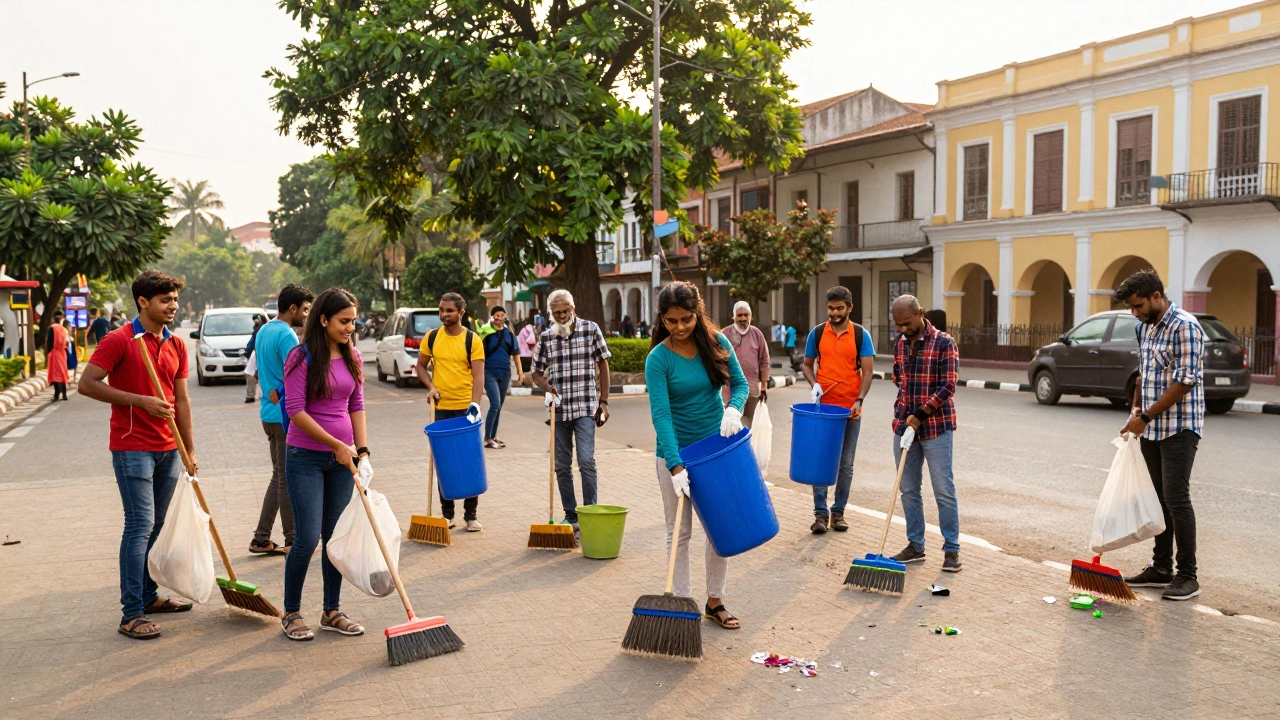
Have you ever walked down a busy street in Mumbai or Delhi and felt that sudden urge to just pick up the trash you see on the ground? It’s not just about hygiene; it’s about pride. When people ask, what is a clean India slogan, they are usually looking for more than just words. They want a mantra that sparks action. They want something that fits perfectly into a WhatsApp status, a school poster, or a community campaign.
In India, cleanliness has evolved from a household chore to a national movement. The most famous phrase, "Swachh Bharat," isn't just a government policy title; it has become a cultural touchstone. But there are dozens of other powerful lines that capture the spirit of a clean nation. Let's look at the best slogans, their meanings, and how you can use them to show your attitude toward keeping our country beautiful.
The Power of "Swachh Bharat Abhiyan"
If you only remember one phrase, let it be this one. Launched in 2014, the Swachh Bharat Abhiyan is a nationwide cleanliness campaign launched by the Government of India to eliminate open defecation and improve solid waste management. The name itself translates to "Clean India Mission." It became so iconic that "Swachh Bharat" is now synonymous with cleanliness across the subcontinent.
Why does this slogan work so well? It’s short, punchy, and easy to chant. It turns a complex civic duty into a simple, achievable goal. When you see posters with this text, you don’t just see words; you see millions of toilets built, streets swept, and habits changed. For an attitude quote, it represents responsibility. Using this as a status update tells your friends and family that you care about the bigger picture, not just your own corner of the world.
- Slogan: Swachh Bharat, Swasth Bharat (Clean India, Healthy India)
- Meaning: A clean environment leads to a healthy population.
- Best Use: Health awareness campaigns, social media posts during sanitation weeks.
Classic Hindi Slogans That Stick
Hindi slogans have a rhythmic quality that English ones often lack. They roll off the tongue and stay in your head. If you are writing content for an Indian audience, these phrases carry weight because they connect with childhood memories of school assemblies and public service announcements.
One of the most enduring lines is Gandagi Na Phailaye, Gande Na Bane. This translates to "Don't spread dirt, don't become dirty." It’s a direct call to action. It shifts the blame from external factors to personal behavior. Another powerful one is Swachhta Hi Seva Hai, which means "Cleanliness is Service." This links the act of cleaning to the spiritual concept of Seva (selfless service), making it deeply resonant for many Indians.
| Hindi Slogan | English Translation | Vibe / Attitude |
|---|---|---|
| Gandagi Na Phailaye, Gande Na Bane | Don't spread dirt, don't become dirty | Direct, Personal Responsibility |
| Swachhta Hi Seva Hai | Cleanliness is Service | Spiritual, Community-Focused |
| Jal Chalu Rakho, Jal Bachao | Keep water flowing, save water | Resource Conservation |
| Kachra Ghar Mein, Na Sadak Par | Trash at home, not on the street | Civic Duty, Practical |
English Slogans for Modern Audiences
Not everyone connects with Hindi verses, especially younger generations or those living abroad. English slogans offer a sleek, modern alternative that works well on Instagram bios or professional LinkedIn posts. These lines focus on aesthetics, future generations, and global citizenship.
Consider the line: "A Clean City is a Happy City." It’s simple, but it links cleanliness directly to emotional well-being. Who doesn’t want to be happy? Another strong option is "Be a Change Agent: Pick Up What You Drop." This appeals to the activist mindset. It frames the individual as a leader rather than a follower. For a sharper edge, try "Your Garbage, Your Responsibility." It cuts through the noise and puts the ball squarely in the reader's court.
These English phrases are great for corporate social responsibility (CSR) initiatives or international student groups. They bridge the gap between traditional values and modern urban living. When you post these, you’re signaling that you are part of a global conversation about sustainability and urban hygiene.
Short & Punchy Lines for WhatsApp Status
You know how we all scroll through WhatsApp statuses quickly. You have about two seconds to grab attention. Long paragraphs get ignored. You need bite-sized wisdom. Here are some short, impactful lines that fit perfectly into a status update.
- "Clean Hands, Clean Heart." - Connects physical hygiene with moral integrity.
- "Drop Trash, Not Habits." - A clever play on words that encourages better behavior.
- "India Shines When We Clean." - Patriotic and empowering.
- "No Littering, Just Living." - Simple and lifestyle-focused.
- "Swachhata = Pride." - Uses an equation format for quick reading.
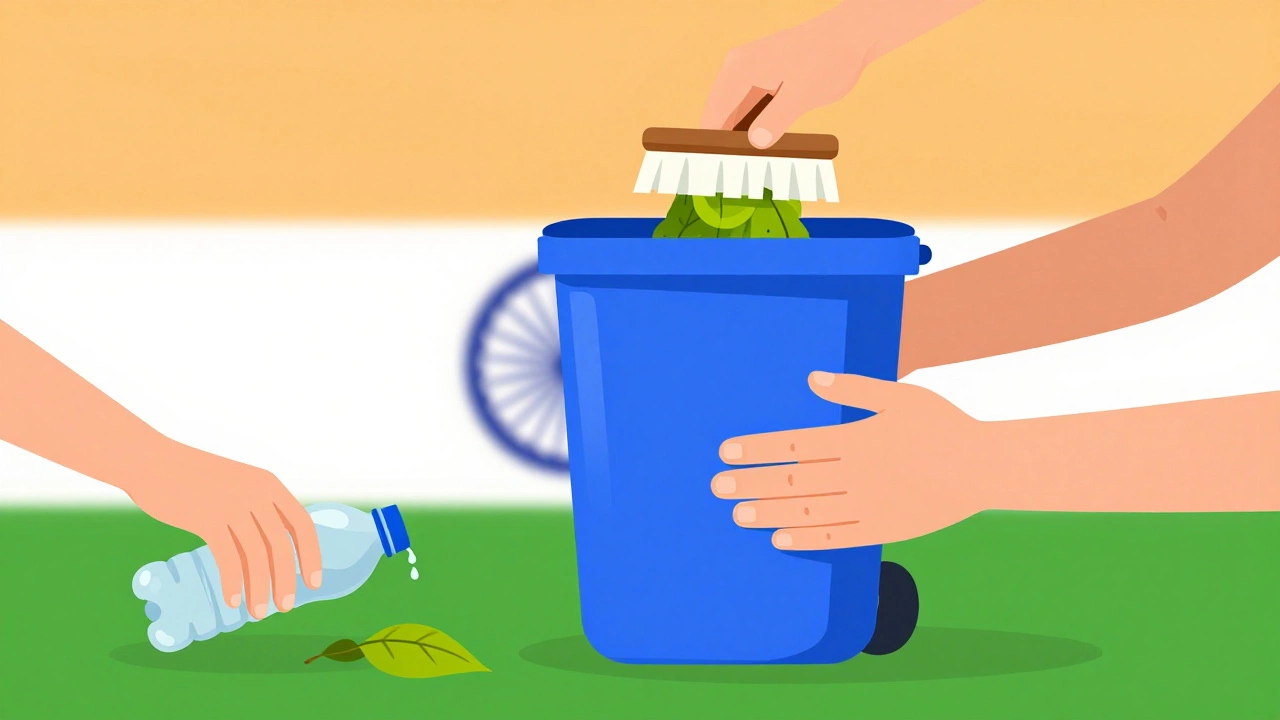
Pair these with a photo of a clean park, a neatly arranged desk, or even a simple green leaf. The visual reinforces the message. People love sharing content that makes them look good. Posting a clean India slogan shows you are conscious, responsible, and patriotic. It’s a subtle flex of character.
Attitude Quotes: Cleaning as Strength
Let’s address the elephant in the room. In some circles, cleaning is seen as menial labor. But true attitude comes from redefining what strength looks like. An "attitude quote" in this context isn't about being rude or arrogant. It’s about having the confidence to do what’s right when no one is watching.
Think about it. Picking up a piece of plastic from the road takes five seconds. Ignoring it takes zero effort but costs the planet dearly. Choosing to act is the stronger move. A great attitude quote here would be: "Real Class is Keeping Your Country Clean." Or, "I Don’t Wait for Sanitation Workers; I Start with Myself."
These lines challenge stereotypes. They position cleanliness as a badge of honor. When you share these, you are inviting others to join you in breaking old norms. It’s a bold stance. It says, "I am proud to serve my community, and I expect you to be too." This kind of positive aggression drives real change.

How to Create Your Own Clean India Slogan
Want to stand out? Make your own. Creating a slogan is easier than you think. Follow this simple three-step formula:
Step 1: Identify the Action. What do you want people to do? Throw away trash? Use dustbins? Stop spitting? Be specific. "Throw Trash" is better than "Be Good."
Step 2: Add the Benefit. Why should they care? A cleaner view? Better health? More respect? Link the action to a reward. "Throw Trash, Save Nature" connects the act to a larger cause.
Step 3: Make it Rhyme or Rhythm. Humans love patterns. "Clean Street, Sweet Treat" might sound cheesy, but it sticks. Try using alliteration, like "Proud People Pick Up Plastic." The repeated 'P' sound makes it memorable.
Test your slogan on a friend. If they repeat it back to you without stumbling, you’ve got a winner. Share it on social media with a hashtag like #MyCleanIndiaSlogan. You might inspire someone else to start a local cleanup drive.
Common Mistakes to Avoid
When crafting or choosing slogans, watch out for these pitfalls. First, avoid negativity. Saying "Don't Be Dirty" focuses on the bad behavior. Instead, say "Stay Clean." Positive reinforcement works better than shame. Second, keep it culturally sensitive. Some phrases might translate poorly or offend certain communities. Always check the nuance.
Third, don’t be too vague. "Help India" is too broad. "Clean Your Lane" is actionable. Specificity drives action. Finally, avoid jargon. Words like "sanitation infrastructure" belong in reports, not slogans. Use plain language that a child can understand. If a ten-year-old gets it, you’re on the right track.
Next Steps for Your Campaign
So, you’ve picked your slogan. Now what? Don’t just leave it in your notes. Put it to work. Print it on stickers for your car or laptop. Use it as your bio on Instagram. Challenge your office colleagues to adopt it for a week. Small actions create ripples. When enough people repeat the same message, it becomes a norm. Start today. Pick up one piece of trash. Post one quote. Inspire one person. That’s how a clean India begins-not with a decree, but with a decision.
What is the official slogan of Swachh Bharat?
The primary slogan is "Swachh Bharat, Swasth Bharat" (Clean India, Healthy India). Other common variations include "Swachhta Hi Seva Hai" (Cleanliness is Service) and "Apna Gaon Apni Zimmedari" (Our Village, Our Responsibility).
Which clean India slogan is best for WhatsApp status?
Short and punchy lines work best. Try "Clean Hands, Clean Heart," "Swachhata = Pride," or "Drop Trash, Not Habits." These are quick to read and convey a strong positive attitude.
Can I use Hindi slogans if I live outside India?
Absolutely! Hindi slogans like "Swachh Bharat" are globally recognized symbols of environmental responsibility. They connect you to your roots while promoting universal values of hygiene and respect for nature.
How do I make a clean India slogan catchy?
Use rhyme, rhythm, or alliteration. Keep it under seven words. Focus on a single clear action. For example, "Pick Up, Tidy Up" uses repetition and rhyme to make the instruction memorable and easy to follow.
Why are attitude quotes important for cleanliness campaigns?
Attitude quotes shift the perception of cleaning from a chore to a choice of character. They appeal to pride and identity, motivating people to act not because they have to, but because they want to be seen as responsible and strong citizens.