
Life Motto Strength Analyzer
Enter a phrase you are considering as your life motto. The tool will evaluate it based on the three pillars of effective mottos: Clarity, Brevity, and Resonance.
Analysis Result
Enter a motto to see its breakdown.
Ever walked into a room and felt completely lost about who you are supposed to be? You aren't alone. We spend years chasing goals set by others-grades, promotions, likes-only to wake up at 30 or 40 wondering if any of it mattered. A life motto isn't just a catchy phrase on a coffee mug. It is your internal compass. It is the single sentence that guides your decisions when the noise gets too loud.
Think of it as your personal operating system. When you face a tough choice, you don't have to reinvent the wheel every time. You check your motto. Does this action align with my core value? If yes, move forward. If no, step back. This article breaks down what makes a motto actually work, how to pick one that sticks, and why most people get it wrong from the start.
The Anatomy of a Powerful Life Motto
Not all quotes are created equal. "Live, Laugh, Love" might look good on a wall, but it doesn't help you negotiate a salary or handle a breakup. A great life motto has three specific ingredients: clarity, brevity, and resonance.
Clarity means there is zero ambiguity. You know exactly what it asks you to do. Vague mottos like "Be Your Best" fail because "best" is subjective. Is best the highest score? The kindest person? The hardest worker? A clear motto removes the guesswork.
Brevity is crucial for memory. In a crisis, your brain shuts down complex processing. You need a phrase short enough to recall instantly. Think of emergency protocols: simple, direct, actionable. If your motto is a paragraph, it won't survive stress.
Resonance connects the phrase to your emotional core. It must feel true to *you*, not just sound smart. If you adopt a stoic motto like "Endure and Renounce" but you are naturally expressive and empathetic, you will fight yourself daily. The motto must fit your personality, not replace it.
| Weak Motto Example | Why It Fails | Strong Motto Alternative | Why It Works |
|---|---|---|---|
| "Be Happy" | Vague; happiness is a fleeting emotion, not a strategy. | "Find Joy in the Process" | Actionable; focuses on control over outcomes. |
| "Work Hard" | Generic; ignores balance and direction. | "Progress Over Perfection" | Motivates movement without demanding flawlessness. |
| "Love Everyone" | Unrealistic; sets you up for burnout. | "Lead With Kindness" | Sustainable; kindness is a choice, love is a feeling. |
How to Craft Your Own Personal Mantra
Finding your motto feels like digging for water. You have to go deep past the surface-level stuff society tells you to want. Here is a practical framework to uncover what matters to you.
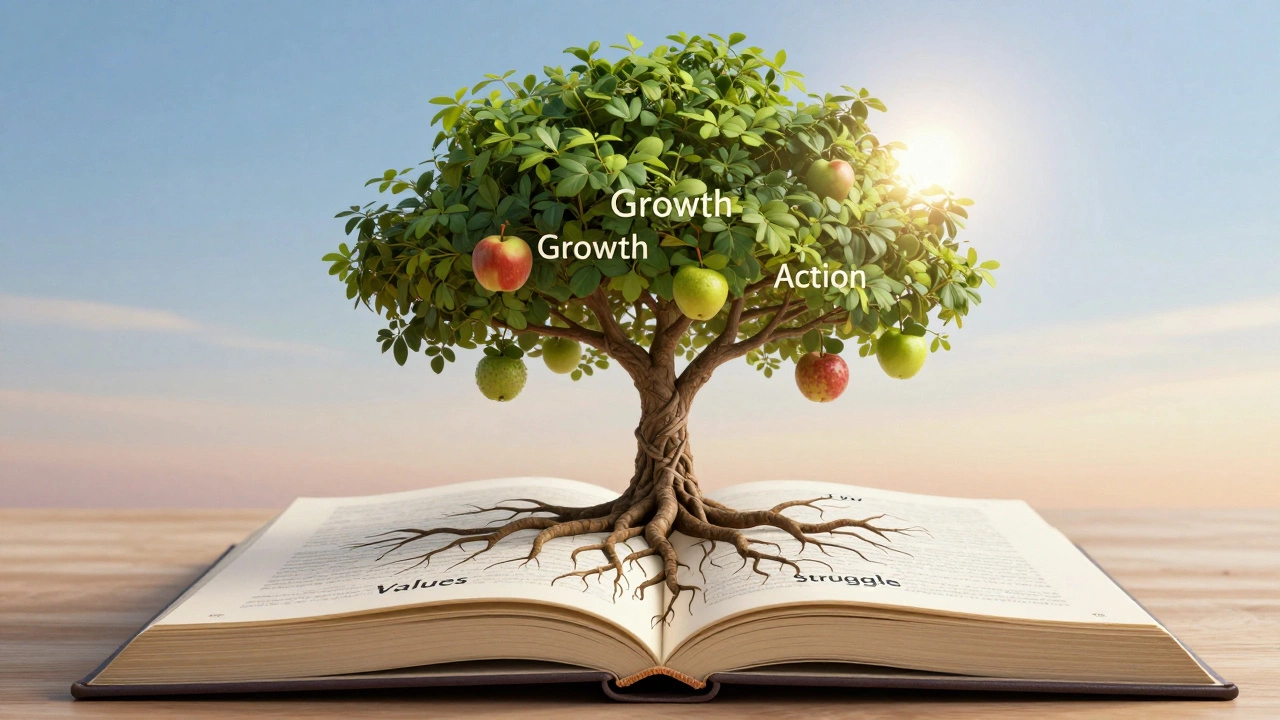
- Identify Your Core Values: List five things you refuse to compromise on. Is it honesty? Freedom? Creativity? Family? Pick the top two. These are your anchors.
- Analyze Your Peak Moments: Think of a time you felt truly proud or alive. What were you doing? Were you helping someone? Creating something new? Solving a hard problem? Your motto should reflect that energy.
- Define Your Struggle: What is your biggest weakness? Do you procrastinate? Do you people-please? Do you give up too soon? A good motto acts as a counter-weight to your natural flaws.
- Draft Three Options: Write down three short phrases based on the above. Keep them under seven words.
- Test Them: Live with each one for three days. Notice which one feels heavy and which one feels light. The right one feels like relief, not pressure.
For example, if you struggle with perfectionism (Struggle) and value creativity (Value), a motto like "Done is Better Than Perfect" hits the mark. It directly addresses the pain point while honoring the goal.
Classic Philosophies That Still Work Today
You don't always have to invent something new. Ancient wisdom often holds the keys because human nature hasn't changed much in millennia. Here are three timeless frameworks adapted for modern life.
Stoicism: Control What You Can
Stoicism, an ancient Greek philosophy, teaches that suffering comes from trying to control external events. Instead, focus entirely on your reactions. A modern Stoic motto might be: "Focus on Effort, Not Outcome." This helps in high-stress jobs where results are unpredictable. You control the work; the market controls the success.
Minimalism: Less Is More
In a world of constant notifications and clutter, Minimalism isn't just about owning fewer chairs. It's about mental space. A minimalist motto could be: "If It Doesn't Add Value, Remove It." Apply this to relationships, tasks, and possessions. It creates room for what truly matters.
Growth Mindset: Embrace Failure
Cornel University psychologist Carol Dweck popularized the concept of the Growth Mindset. It suggests that abilities can be developed through dedication. A motto here is: "Fail Forward." This reframes mistakes as data points rather than verdicts on your worth. It is essential for entrepreneurs and learners.
Common Mistakes People Make With Mottos
Even with good intentions, many people pick mottos that backfire. Avoid these traps.
- Borrowing Without Believing: Just because Elon Musk or Marie Curie used a phrase doesn't mean it fits your life. Context matters. Their pressures were different from yours.
- Being Too Negative: Mottos like "Never Trust Anyone" create paranoia, not protection. Frame boundaries positively: "Trust Earned, Not Given."
- Changing It Weekly: Consistency builds identity. If you change your motto every time you read a new book, you never internalize it. Commit for at least six months.
- Ignoring Action: A motto is useless without behavior change. If your motto is "Health First," but you still skip the gym, the motto becomes a source of shame, not guidance. Align actions immediately.
Living Your Motto: Practical Application
A motto sits on paper until you integrate it into your daily routine. How do you make it real?
Start with visual cues. Put it on your phone lock screen. Write it on a sticky note above your monitor. But visuals aren't enough. You need decision filters.
When you receive an email request that drains you, pause. Ask: "Does saying yes align with my motto?" If your motto is "Protect My Energy," the answer is likely no. Practice saying no gracefully. This builds integrity between your words and your actions.
Also, use your motto during reflection. At the end of the week, review your major decisions. Did they match your guiding principle? If not, adjust your behavior next week. This feedback loop turns a slogan into a lifestyle.
Why Your Motto Will Evolve
Here is the truth: you are not the same person you were five years ago. Your motto shouldn't be carved in stone either. As you age, your priorities shift. A student might prioritize "Learn Everything," while a parent might shift to "Presence Over Presents."
Revisit your motto annually. Ask yourself: "Does this still serve me?" If it feels restrictive or outdated, update it. This evolution is a sign of growth, not inconsistency. The goal is alignment with your current self, not loyalty to your past self.
Can I have more than one life motto?
Technically yes, but it dilutes the impact. A single motto acts as a primary filter. If you have multiple, you risk conflicting advice. For example, "Take Risks" conflicts with "Play It Safe." Choose one dominant theme for now. You can have secondary mantras for specific areas like career or health, but keep your core life motto singular for clarity.
How do I choose a motto if I am unsure of my values?
Start with observation. Look at who you admire. What traits do they share? Then look at what makes you angry. Often, anger signals a violated value. If you hate dishonesty, honesty is likely a core value. Use these clues to draft potential mottos. You can refine them as you learn more about yourself.
Is it okay to use a quote from a famous person?
Yes, if it resonates deeply with you. Many people find strength in shared wisdom. However, ensure you understand the context. Don't just pick words that sound cool. Pick words that describe how you want to behave. If a quote from Maya Angelou makes you stand taller, it is a valid choice.
What if my motto feels cliché?
Clichés exist because they contain universal truths. "Carpe Diem" (Seize the Day) is old, but it remains powerful. Don't worry about originality. Worry about utility. If a common phrase helps you act better, it is a great motto. Originality is less important than effectiveness.
How long does it take for a motto to become habit?
Research on habit formation suggests it takes anywhere from 18 to 254 days, with an average of 66 days. For a life motto, expect at least three to six months of conscious effort before it becomes automatic. Be patient. Repetition and consistent application are key.