India Cultural Explorer & Quiz
Explore Regional Cultures
Cultural Knowledge Quiz
Loading question...
Quiz Complete!
You scored 0 out of 5.
Keep learning about India's diversity!
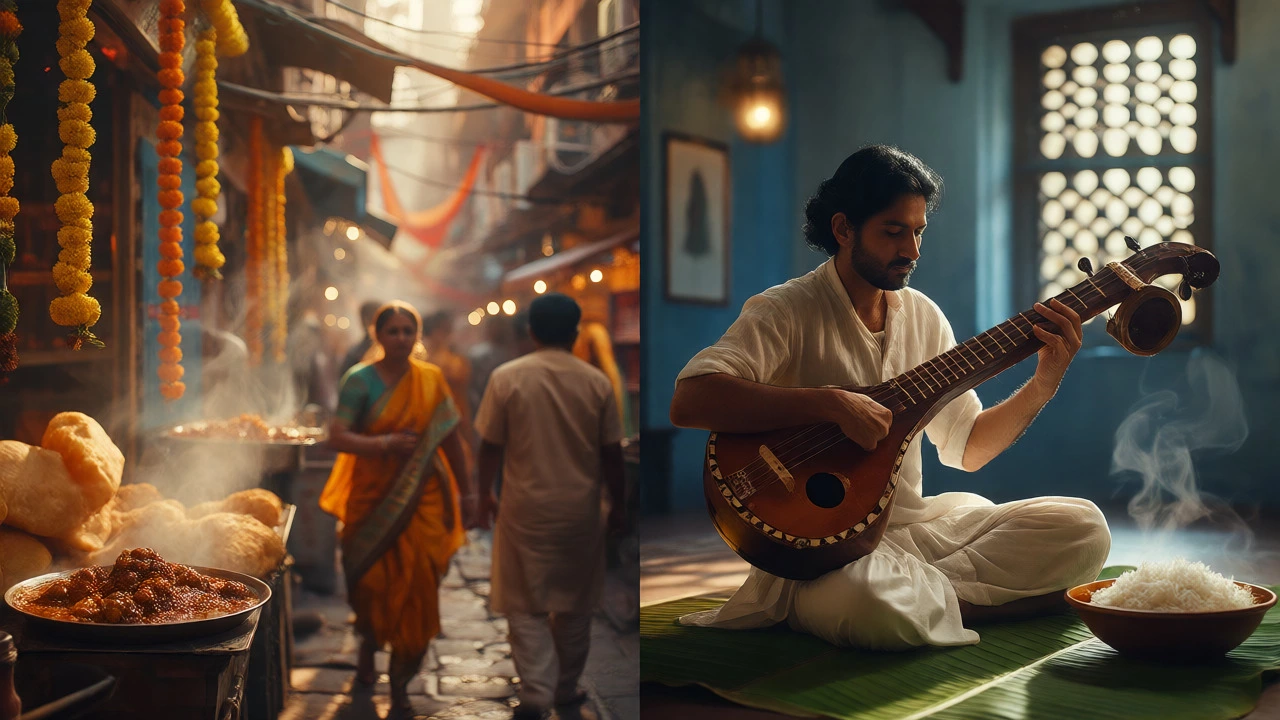
Imagine landing in Delhi on a Tuesday morning. You step out of the airport into humid air that smells faintly of diesel and marigolds. By noon, you’re eating spicy Chole Bhature in Old Delhi, listening to Bhangra beats blasting from a nearby shop. Then, you hop on a flight to Chennai. Three hours later, you’re sitting in a cool hall, eating steaming rice with sambar, while someone plays Carnatic music on a veena. Same country. Completely different worlds.
This isn’t just travel; this is the reality of India. It’s not one monolithic block of culture. It’s a patchwork quilt stitched together by history, geography, religion, and language. When people ask, "What is cultural diversity in India?," they aren’t asking for a dictionary definition. They want to know how 1.4 billion people, speaking over 120 major languages and practicing dozens of religions, manage to coexist under one flag. The answer lies in understanding that India doesn’t have a single culture-it has thousands.
The Linguistic Tapestry: More Than Just Hindi
If you think everyone in India speaks Hindi, you’ve been misled by Bollywood. Hindi is widely spoken, sure, but it’s only the primary tongue for about 43% of the population. The rest speak languages that are often mutually unintelligible. In the south, Tamil speakers view their language as classical and distinct, with roots tracing back millennia. In the northeast, communities speak Assamese or Manipuri, which share more linguistic DNA with Southeast Asian languages than with Hindi.
This linguistic variety affects daily life. Signboards change scripts every few hundred kilometers. From Devanagari in the north to Tamil script in the south, the visual landscape shifts. This isn’t just about communication; it’s about identity. For many Indians, their mother tongue is tied to their heritage, poetry, and family history. Losing it feels like losing a part of themselves. That’s why states like Karnataka and West Bengal fiercely protect their linguistic rights. It’s not politics; it’s pride.
Religious Pluralism: The Spiritual Melting Pot
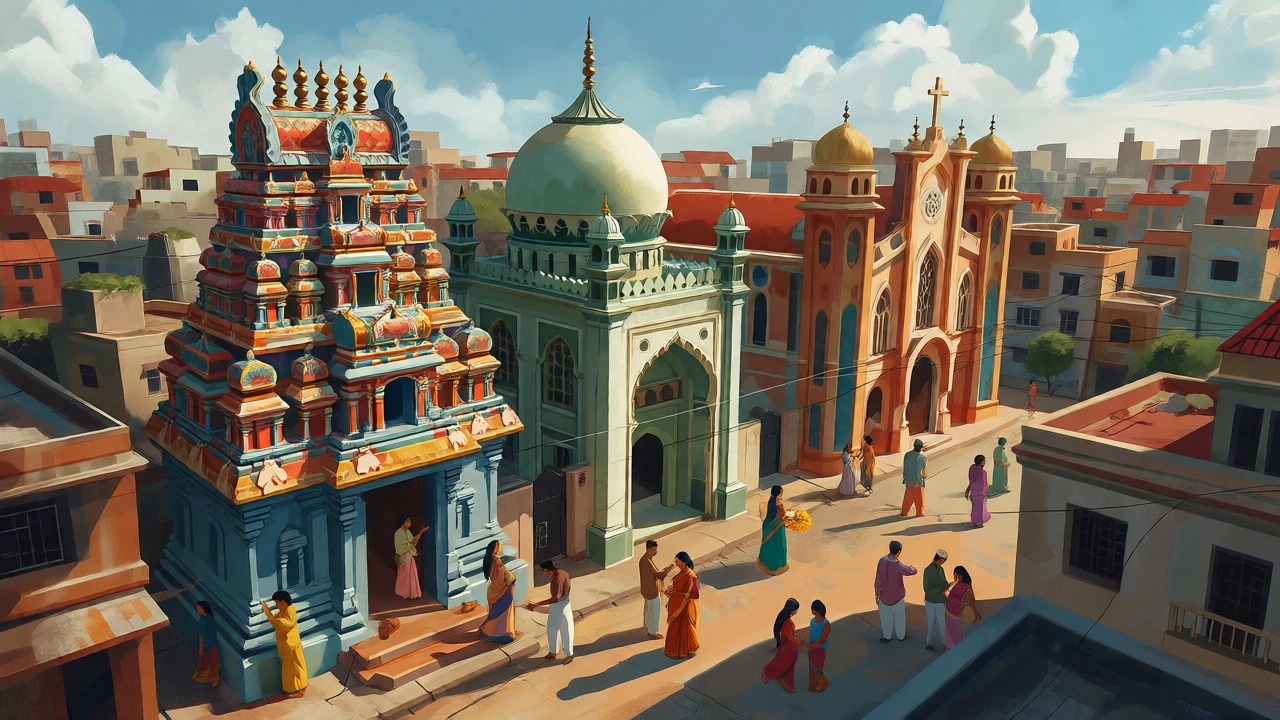
India is the birthplace of four major world religions: Hinduism, Buddhism, Jainism, and Sikhism. But it’s also home to some of the oldest Muslim, Christian, Zoroastrian (Parsi), and Jewish communities in the world. You can find a mosque next to a temple, which is next to a church, all within walking distance in cities like Mumbai or Hyderabad.
This religious diversity isn’t just tolerated; it’s woven into the social fabric. During Eid, non-Muslim neighbors often exchange sweets. During Christmas, Hindu families might attend midnight mass out of curiosity or community spirit. However, it’s complex. Religious festivals dictate the calendar, influencing everything from school holidays to stock market closures. Understanding this mix requires recognizing that faith here is personal yet public. It shapes food choices, clothing, and even political alliances.
Culinary Chaos: A Plate Full of Contradictions
You cannot talk about culture without talking about food. And in India, food is never just fuel. It’s a statement of region, caste, and class. Northern cuisine relies heavily on wheat, dairy, and rich gravies-think butter chicken or paneer tikka. Southern cuisine leans on rice, lentils, coconut, and fermented batters like dosa and idli. Eastern India loves fish and mustard oil. Western India offers street food chaos, from Mumbai’s vada pav to Gujarat’s dhokla.
Vegetarianism is widespread due to religious beliefs, particularly among Jains and certain Hindu communities. But meat-eating regions exist too, from the mutton-heavy kitchens of Kashmir to the seafood feasts of Kerala. Even within vegetarianism, there are strict rules. Some avoid onions and garlic (satvik diet). Others eat eggs. Navigating an Indian menu can feel like decoding a cipher if you don’t understand these cultural nuances. Food reveals who you are, where you come from, and what you believe.
Festivals: The Rhythm of the Year
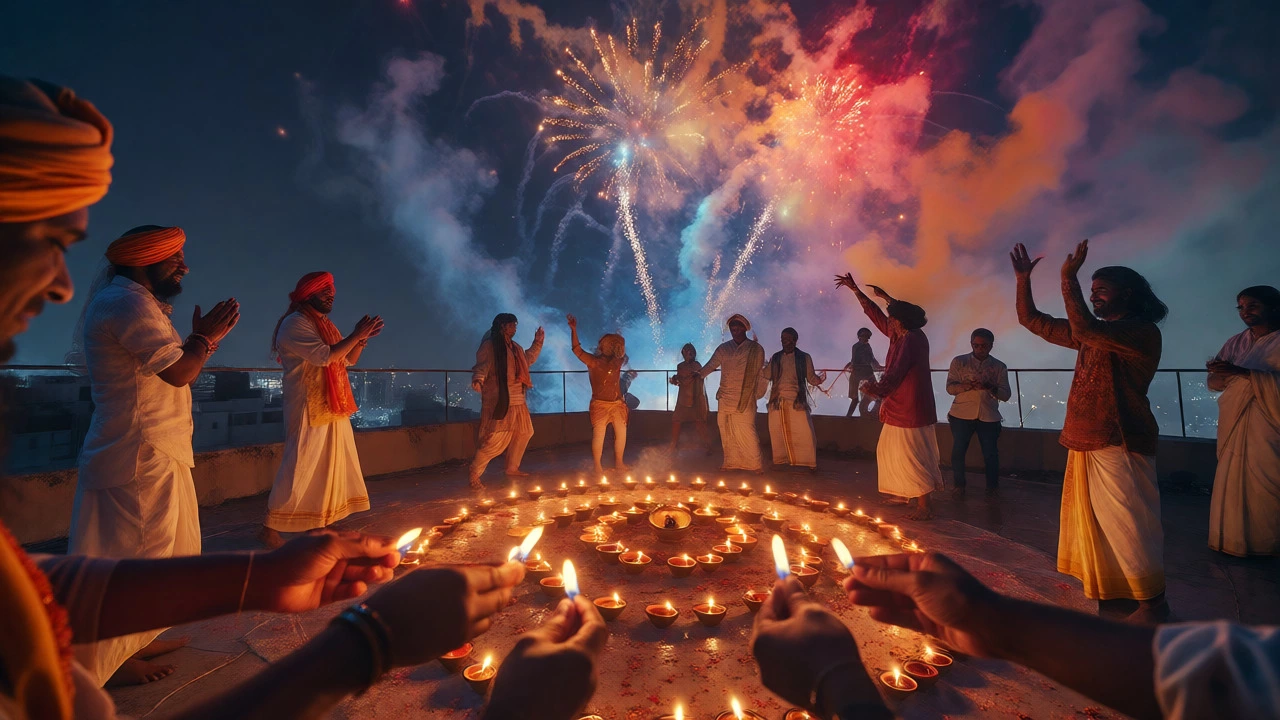
If you visit India during October, you’ll witness Diwali, the festival of lights. Homes glow with oil lamps, firecrackers explode, and families gather for prayers. But go to Punjab during the same time, and you’ll see Bandi Chhor Divas, celebrated by Sikhs. Go to Goa, and you might catch Deepavali celebrations mixed with Portuguese influences.
Every month brings new festivities. Holi paints streets in color in March. Durga Puja transforms Kolkata into an art gallery in September. Onam brings boat races and flower carpets to Kerala in August. These aren’t just parties; they’re reenactments of mythology, harvest celebrations, and community bonding rituals. Participating in them gives you insight into local values. For instance, Diwali emphasizes the victory of light over darkness, while Pongal thanks nature for the harvest. Each festival tells a story about the people celebrating it.
Regional Identities: North vs. South vs. East vs. West
Generalizing India is dangerous because the differences between regions are stark. The north tends to be more conservative regarding social norms, with arranged marriages still common. The south often boasts higher literacy rates and different gender dynamics. The northeast shares cultural ties with Myanmar and Thailand, featuring matrilineal societies in places like Meghalaya.
Climate plays a huge role here. The freezing winters of Ladakh require heavy woolens and hearty foods. The tropical heat of Chennai demands light cottons and cooling spices. Geography dictates architecture, too. Rajasthan’s havelis are built to keep cool in the desert. Kerala’s houses have sloping roofs to handle monsoon rains. You can’t separate the culture from the land it grows on.
| Region | Primary Languages | Dietary Staples | Key Festivals | Cultural Vibe |
|---|---|---|---|---|
| North | Hindi, Punjabi, Urdu | Wheat, Dairy, Meat | Lohri, Diwali, Teej | Vibrant, Loud, Community-focused |
| South | Tamil, Telugu, Malayalam, Kannada | Rice, Coconut, Seafood | Pongal, Onam, Navaratri | Classical, Reserved, Traditional |
| East | Bengali, Assamese, Odia | Rice, Fish, Mustard Oil | Durga Puja, Bihu | Artistic, Intellectual, Poetic |
| West | Gujarati, Marathi | Millet, Lentils, Street Food | Ganesh Chaturthi, Navratri | Business-oriented, Festive, Colorful |
Unity in Diversity: How Does It Hold Together?
So, how does a country this varied stay united? The phrase "Unity in Diversity" was popularized by Jawaharlal Nehru, but the concept predates him. It works because of shared democratic ideals, a common constitutional framework, and economic interdependence. Cricket unites fans across state lines. Bollywood creates a pan-Indian pop culture, even if locals prefer regional cinema. Migration moves people around, blending cultures in urban hubs like Bangalore and Mumbai.
It’s not perfect. Tensions arise over language policies, resource distribution, and religious sentiments. But the sheer scale of interaction forces adaptation. A Tamil engineer working in Pune learns Marathi phrases. A Punjabi trader in Kolkata adopts Bengali customs. This constant cross-pollination prevents any single culture from dominating completely. It’s messy, loud, and chaotic, but it’s resilient.
Practical Tips for Experiencing Indian Culture
If you’re planning to engage with Indian culture, don’t try to consume it all at once. Pick one region and dive deep. Ask questions. Indians love explaining their traditions. Be respectful of religious sites-cover your head, remove shoes, and dress modestly. Try local food, even if it’s spicy. Say yes to invitations for tea or chai. That’s where real conversations happen.
Avoid assuming stereotypes. Not every Hindu is vegetarian. Not every Muslim eats beef. Not every person from the north is aggressive, or from the south is passive. Individuality exists within every group. Listen more than you speak. Observe how people greet each other-some shake hands, some fold hands in "Namaste," others touch feet as a sign of respect. These small gestures reveal deep-seated values about hierarchy and respect.
Is Hindi the national language of India?
No, India does not have a single national language. The Constitution recognizes Hindi and English as official languages for central government purposes, but there are 22 scheduled languages recognized at the state level. Many states conduct administration in their own regional languages.
Why is food so diverse in India?
Food diversity stems from varying climates, agricultural practices, religious dietary laws, and historical trade routes. Coastal areas rely on seafood, while inland areas use grains and dairy. Religious beliefs influence vegetarianism or avoidance of specific meats, creating distinct culinary traditions across regions.
How do different religions coexist in India?
Coexistence is facilitated by secular laws, shared public spaces, and cultural integration. Festivals are often celebrated communally, and neighborhoods frequently include places of worship for multiple faiths. While tensions exist, daily life involves significant interaction and mutual respect among different religious communities.
What is meant by 'Unity in Diversity'?
This phrase describes the ability of people from various backgrounds, including different religions, languages, and ethnicities, to live together harmoniously while maintaining their unique identities. It highlights that strength comes from variety rather than uniformity.
Are traditional clothes still worn in modern India?
Yes, traditional attire remains common, especially for formal occasions, festivals, and weddings. Sarees, salwar kameez, dhotis, and lungis are worn daily in many areas. Urban professionals may wear Western business attire at work but switch to traditional clothes for family events.