Indian Festival Matchmaker
Discover which festival resonates most with your spirit. Answer these quick questions to find your cultural match.
Loading question...
Your Festival Match:
You ask a person in Kerala what their favorite festival is, and they might say Onam. Ask someone in Punjab, and it’s likely Baisakhi. But if you put a gun to the head of the average Indian-whether they’re a tech CEO in Bangalore or a farmer in Bihar-and force them to pick just one celebration that defines the national mood, the answer almost always points to one specific event. It’s not just about religious observance; it’s about light, family reunions, sweets, and a collective pause from the grind.
The debate usually narrows down to two heavyweights: Diwali, the Festival of Lights, and Holi, the Festival of Colors. Both are massive. Both shut down cities. Both trigger a sugar rush that lasts weeks. But which one actually holds the title of "most beloved"? To figure this out, we have to look beyond the Instagram reels and dig into what these festivals actually do for people. Are we talking about the emotional warmth of homecoming, or the chaotic joy of social leveling?
The Case for Diwali: Light Over Darkness
If you define "beloved" by economic impact and emotional resonance, Diwali wins hands down. This isn’t just a five-day holiday; it’s a season. Starting with Dhanteras and ending on Bhai Dooj, the festival spans nearly a week of preparation, shopping, cleaning, and praying. The central narrative is the return of Lord Rama to Ayodhya after 14 years of exile, celebrated by lighting earthen lamps (diyas). But for modern Indians, the mythological layer often takes a backseat to the practical magic: it’s the ultimate excuse to clean your house, buy new clothes, and gather everyone under one roof.
Why does this resonate so deeply? In a country where migration is rampant, Diwali is the primary anchor for family reunions. Millions of workers leave metros like Mumbai, Delhi, and Bangalore to return to their villages. The traffic jams during Diwali week aren’t just annoyances; they’re proof of love. You’re stuck in traffic because thousands of others are trying to hug their parents. That shared struggle creates a communal bond that few other events can replicate.
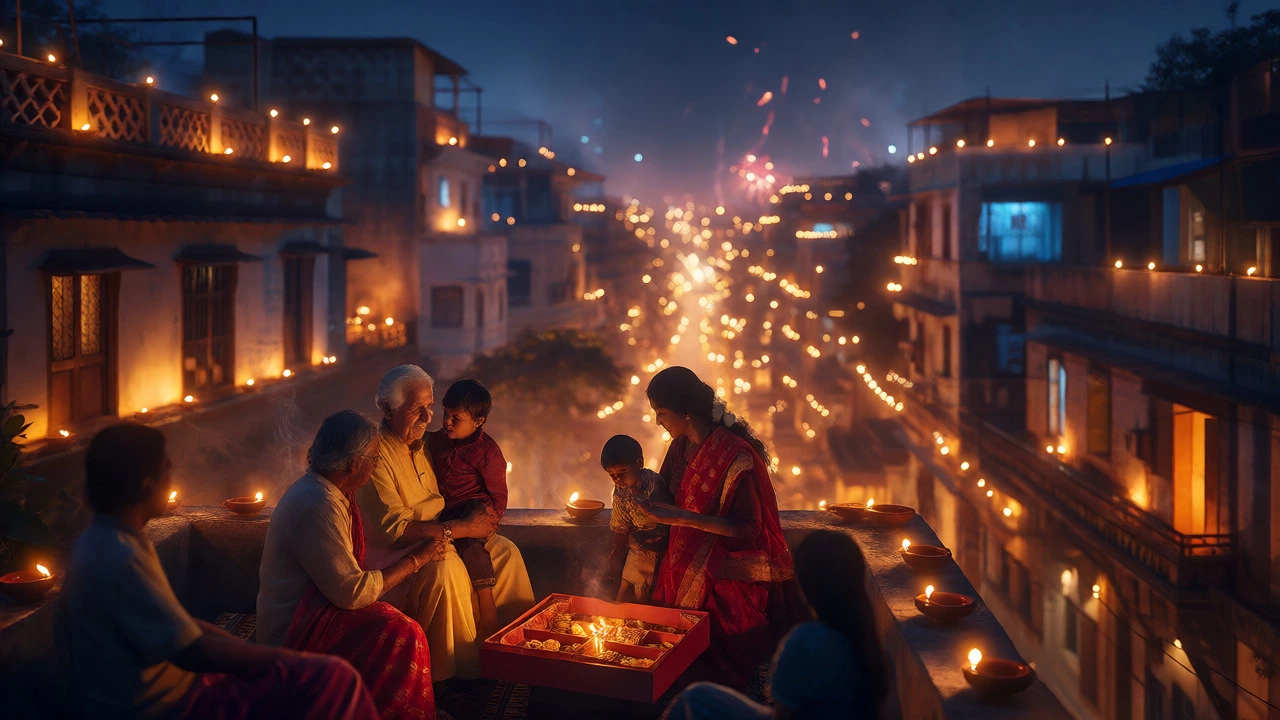
Then there’s the visual spectacle. Walking through an Indian city on Diwali night is an assault on the senses in the best way possible. The air smells of marigolds, frying snacks, and fireworks. Every rooftop, balcony, and street corner glows. For many, especially those living in apartments in dense urban areas, creating that glow is a point of pride. It transforms gray concrete jungles into rivers of gold. This aesthetic appeal makes Diwali incredibly shareable, boosting its global visibility and reinforcing its status as India’s flagship export.
The Case for Holi: Chaos and Connection
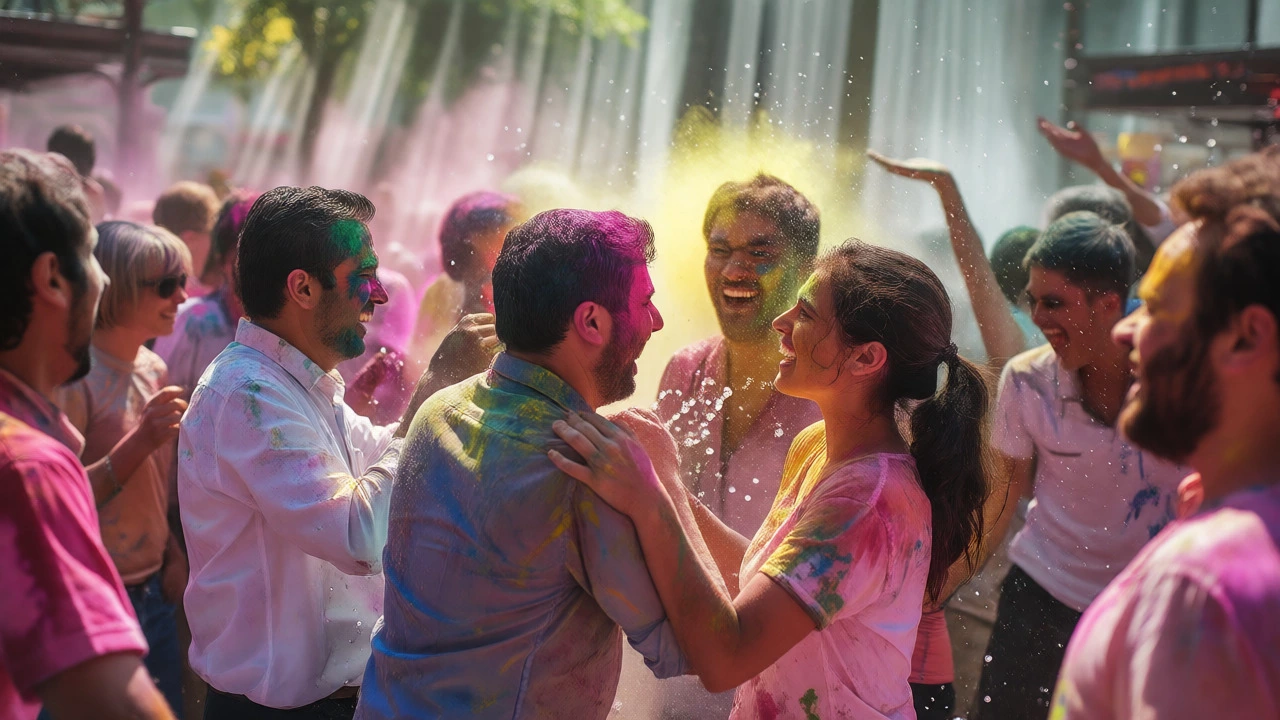
Now, let’s talk about Holi. If Diwali is about order, cleanliness, and tradition, Holi is about controlled chaos. Held in March, it marks the arrival of spring and the victory of good over evil (specifically, Holika’s demise). But forget the mythology for a second. The real reason Holi is beloved is that it breaks social barriers. On Holi day, age, gender, caste, and class become irrelevant. Your boss gets covered in pink powder. Your neighbor’s kid throws water balloons at you. You don’t care because you’re too busy laughing.
This leveling effect is rare in daily life. India is a hierarchical society. We bow to elders, we respect titles, we keep our distance. Holi shatters that. When you’re drenched in colored water, you’re equal. This psychological release is powerful. It allows people to let go of stress and social anxiety. For young people, it’s the biggest party of the year. For older generations, it’s a nostalgic trip back to childhood innocence.
However, Holi has faced criticism in recent years due to environmental concerns. Synthetic colors cause skin allergies, and the chemical runoff pollutes rivers. Many urbanites have shifted to "green Holi" celebrations using organic turmeric and beetroot powders. While this shows adaptability, it also highlights a vulnerability: Holi’s popularity is tied to how well it manages its ecological footprint. Diwali, despite its own pollution issues with firecrackers, feels more permanent and ingrained in domestic rituals.
Regional Contenders: It’s Not Just North vs. South
Saying Diwali or Holi is the "best" ignores the vast diversity of India. If you ask a Tamilian, they’ll tell you Pongal is the heart of their culture. A four-day harvest festival, Pongal involves boiling rice and milk until it overflows-a symbol of prosperity. It’s deeply agricultural and connects people to the land. Similarly, in Bengal, Durga Puja isn’t just a religious event; it’s a carnival of art and community. Pandals (temporary structures) compete on creativity, drawing millions of visitors who treat the streets as open-air galleries.
In the Northeast, Bihu in Assam celebrates fertility and nature with traditional dances and feasts. In Ladakh, Hemis Festival features masked Cham dances that seem straight out of another world. These festivals are beloved locally with an intensity that Diwali sometimes lacks because they are tied to specific landscapes and livelihoods. However, when we talk about a "national" brand, Diwali still edges ahead because it is observed across virtually all states, regardless of local deities or harvest cycles.
Economic Impact: The Diwali Dividend
Love is measurable. Let’s look at the money. According to reports from Deloitte and KPMG, consumer spending during the Diwali season consistently hits tens of billions of dollars. It rivals Black Friday in scale. Gold purchases spike, electronics fly off shelves, and clothing brands make up half their annual revenue in October and November. Why? Because gifting is central to Diwali. You buy gifts for employees, clients, neighbors, and relatives. This commercial engine keeps the economy humming.
Holi generates revenue too, primarily in cosmetics, fabrics, and food, but it doesn’t drive big-ticket purchases like cars or homes. People don’t typically buy a refrigerator for Holi. They do for Diwali. This economic weight reinforces Diwali’s dominance. Companies plan major sales around it. Airlines hike fares. Hotels fill up. The infrastructure mobilizes for Diwali in a way it simply doesn’t for any other festival.
| Festival | Primary Theme | Key Activity | Emotional Tone | Economic Impact |
|---|---|---|---|---|
| Diwali | Victory of light over darkness | Lighting diyas, exchanging gifts, Lakshmi Puja | Warm, familial, reflective | Very High (Retail, Gold, Travel) |
| Holi | Arrival of spring, social equality | Playing with colors, bonfires, dancing | Playful, chaotic, energetic | Moderate (Cosmetics, Food, Events) |
| Durga Puja | Worship of Goddess Durga | Pandal hopping, artistic displays, feasting | Creative, communal, intense | High (Regional tourism, Art supplies) |
| Eid-ul-Fitr | End of Ramadan fasting | Prayers, feasting, charity (Zakat) | Spiritual, charitable, joyful | Moderate-High (Clothing, Food) |
The Diaspora Factor: Global Reach
Here’s something interesting: the perception of "most beloved" changes when you step outside India. In Toronto, London, or New York, Diwali is often the first introduction non-Indians get to Indian culture. The lights are photogenic. The story is simple. The food is familiar. Holi, while fun, can be messy and confusing for outsiders who don’t understand the context. Diwali translates better globally.
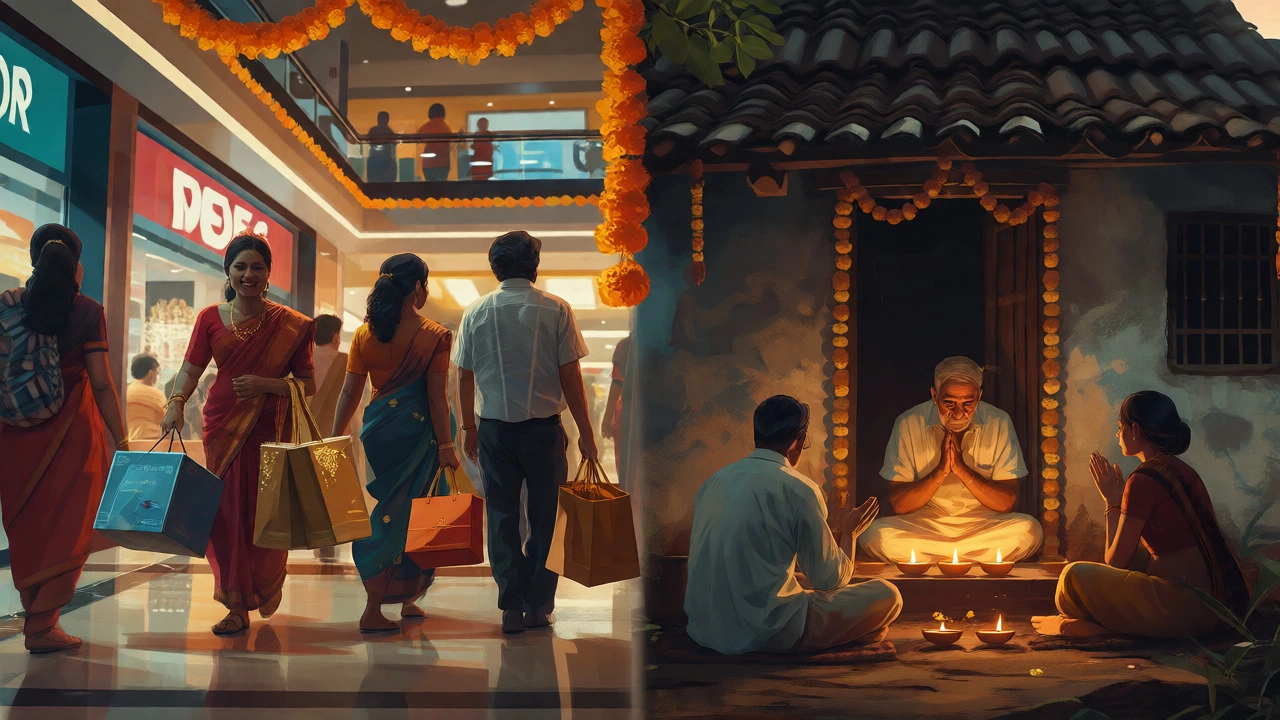
For the Indian diaspora, Diwali serves as a cultural tether. It’s the one day when you can recreate a piece of home anywhere in the world. Lighting a diya in a Canadian apartment in November brings a sense of continuity. It reminds you of who you are and where you come from. This emotional utility cements Diwali’s position. It’s not just a festival; it’s an identity marker.
Verdict: Why Diwali Takes the Crown
So, what is India’s most beloved festival? If you value social freedom and raw joy, you’ll argue for Holi. If you value regional pride, you’ll pick Pongal or Durga Puja. But if you want the festival that touches the widest number of lives, drives the biggest economy, and creates the deepest emotional connections, the answer is Diwali.
It combines the sacred and the secular perfectly. You pray in the morning, shop in the afternoon, and celebrate with fireworks at night. It accommodates both the devout grandmother and the skeptical millennial. It’s messy, loud, expensive, and beautiful. And for five days every autumn, it makes the entire country feel like one giant, glowing family reunion.
Is Diwali the same for all religions in India?
No. While widely celebrated by Hindus, Jains, Sikhs, and some Buddhists observe Diwali with different narratives. Jains celebrate it as the nirvana of Mahavira, Sikhs mark Bandi Chhor Divas, and Buddhists in Newar communities honor Buddha. However, the common thread is the celebration of light and goodness.
Why is Holi considered controversial in recent years?
Holi faces criticism primarily due to environmental and health concerns. Synthetic colors contain chemicals like lead oxide and mercury, which can cause skin allergies and respiratory issues. Additionally, the large-scale use of water and the dumping of chemical-laden water into rivers contribute to pollution. This has led to a rise in eco-friendly Holi celebrations.
Which Indian festival attracts the most tourists?
While Diwali draws significant domestic tourism, international tourists often flock to Holi for its unique visual experience and participatory nature. However, festivals like Pushkar Camel Fair in Rajasthan and Rann Utsav in Gujarat also attract massive tourist numbers. For pure volume of domestic travelers, Diwali remains unmatched.
How long does Diwali last?
Diwali is technically a five-day festival. It begins with Dhanteras (celebrating wealth), followed by Naraka Chaturdashi (Choti Diwali), then the main Diwali day (Lakshmi Puja), Govardhan Puja, and ends with Bhai Dooj (celebrating sibling bonds).
Is Eid considered one of India's most beloved festivals?
Yes, Eid-ul-Fitr and Eid-ul-Adha are among the most widely celebrated festivals in India, particularly among the Muslim population, which constitutes a significant minority. In many parts of India, especially in North and West India, Eid is celebrated with as much fervor as Diwali, featuring grand feasts, new clothes, and community prayers.