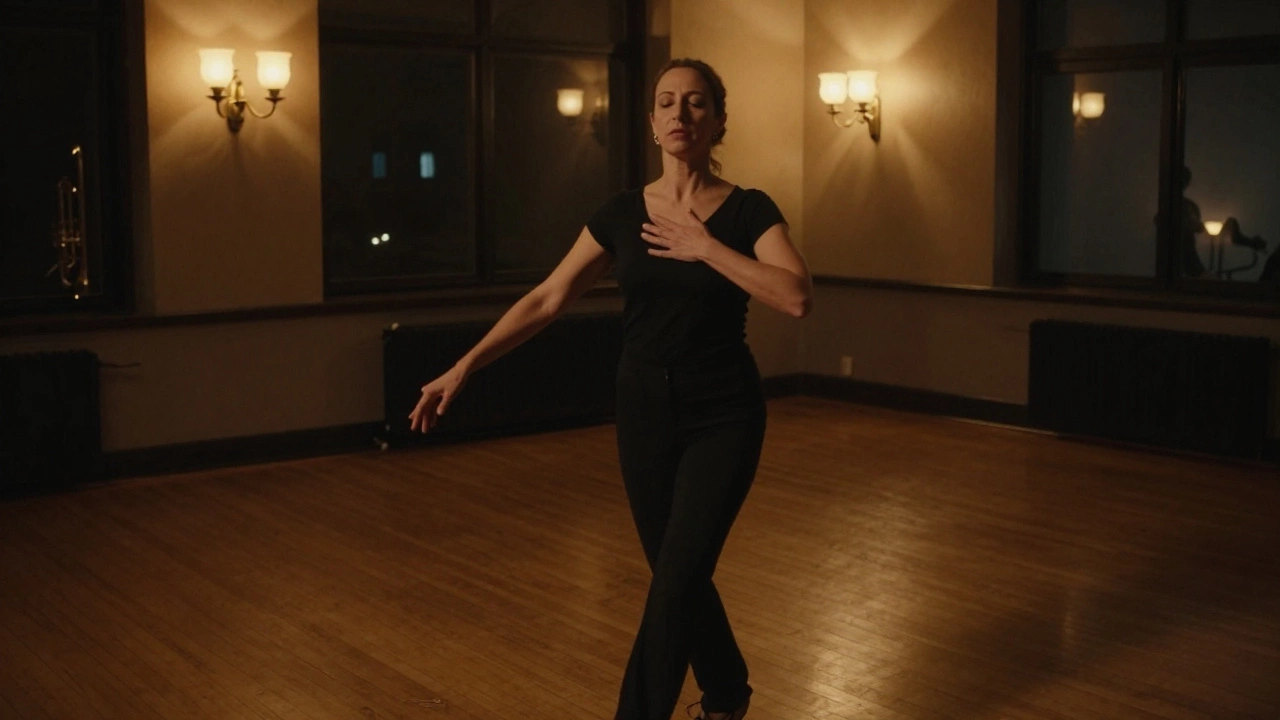
There’s no single answer to what is the coolest dance to learn, because cool isn’t about style alone-it’s about how deeply it moves you. Some dances look flashy on TikTok, but only a few stick with you long after you’ve stopped practicing. The coolest dances aren’t the ones with the most followers-they’re the ones that change how you move, how you feel, and sometimes, how you see the world.
Why Some Dances Stick, and Others Don’t
Not every dance that looks exciting is worth learning. You might think the latest viral challenge is the coolest, but unless it connects to your body, your rhythm, or your culture, it fades fast. The dances that last do more than impress-they teach you discipline, history, and expression. They don’t just fill your social feed. They fill your bones.
Take salsa, for example. It’s not just about turning in circles or flashing a smile. It’s about listening-to the music, to your partner, to the space between beats. A good salsa dancer doesn’t lead; they converse. That’s why people keep coming back to it, decade after decade. It’s not a performance. It’s a conversation.
Salsa: The Dance That Feels Like Home
If you’ve ever been in a dimly lit room with live percussion, a trumpet wailing, and bodies moving like water, you know what I mean. Salsa started in Cuba, grew in New York, and now lives in cities from Toronto to Tokyo. It’s not just steps-it’s rhythm carved into muscle memory.
Most beginners think salsa is about fast footwork. It’s not. It’s about timing. The basic step? Three steps in four beats. That’s it. But mastering the pause between steps? That takes years. And that’s what makes it cool. It rewards patience. You don’t learn salsa to show off. You learn it to feel something.
One dancer in Montreal told me she started salsa after her divorce. "I didn’t know how to move again," she said. "Then I learned to listen to the music, and suddenly, I remembered how to listen to myself." That’s the kind of cool that lasts.
Hip-Hop: More Than Moves, It’s a Mindset
Hip-hop dance didn’t start on a stage. It started on sidewalks, in basements, in parking lots where kids had no money but plenty of soul. It’s raw. It’s rebellious. It’s personal.
Breaking, popping, locking-these aren’t just styles. They’re languages. Each has its own grammar. Breaking is about power and control. Popping is about precision, like your muscles are speaking in code. Locking? It’s playful, sharp, and full of personality.
What makes hip-hop cool isn’t the flashy flips or the viral challenges. It’s the fact that you can walk into any city, find a corner, and start moving. No studio. No permission. Just you and the beat. That’s freedom.
And here’s the truth: you don’t need to be young to learn it. A 52-year-old teacher in Toronto started taking hip-hop classes after retirement. "I thought I was too old," he said. "Then I realized I was just afraid of being silly. The dance didn’t care. It just wanted me to move."
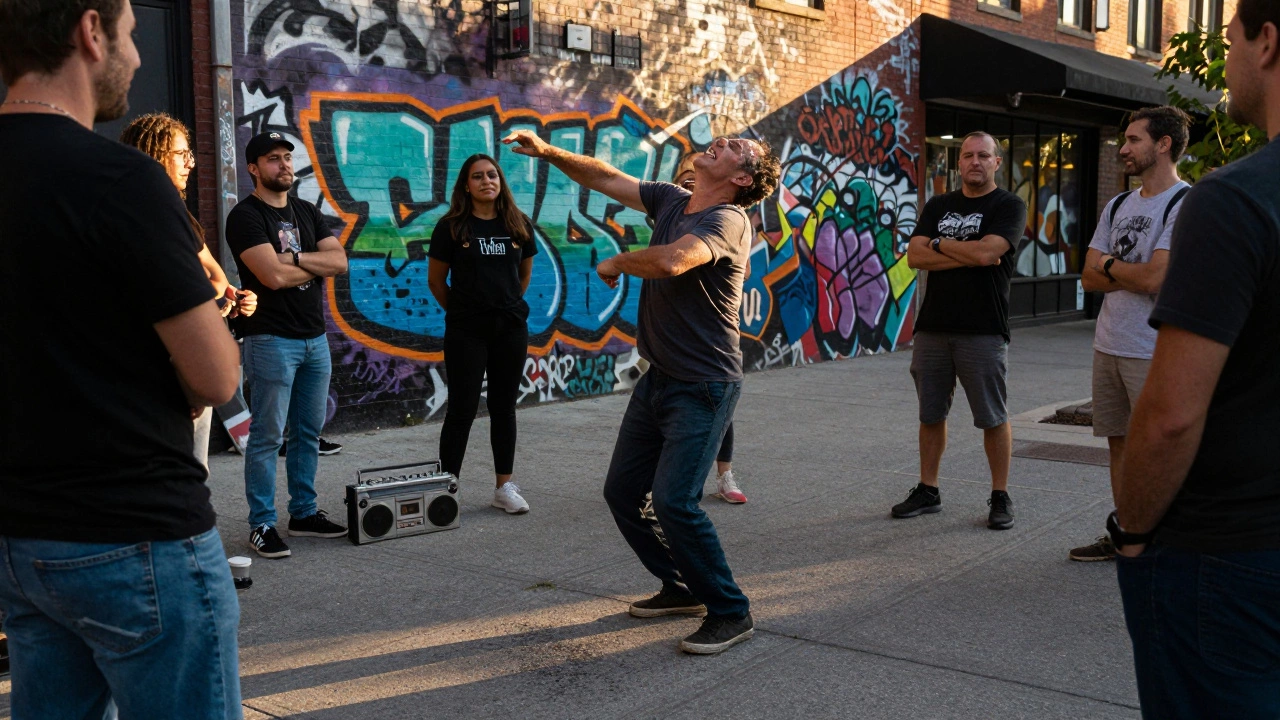
Bharatanatyam: When Dance Becomes Prayer
Some dances are meant to be seen. Bharatanatyam is meant to be felt.
Originating in Tamil Nadu, India, this classical form isn’t just about leg lifts and hand gestures. Every movement tells a story-about gods, about love, about loss. The footwork is mathematical, the arm movements poetic. Your fingers don’t just wave-they whisper. Your eyes don’t just look-they remember.
It takes years to master even a single piece. A single mudra (hand gesture) can mean joy, sorrow, or divine longing, depending on how it’s shaped. That’s why it’s not just dance. It’s embodied storytelling.
What makes it cool? It doesn’t change for the camera. It doesn’t need likes. It’s ancient, and it’s alive. A 14-year-old girl in Mississauga told me she started learning it because her grandmother said, "Your body remembers what your mind forgets." She’s been dancing for three years now. She says she’s finally starting to understand her roots.
Flamenco: Fire in Every Step
Flamenco isn’t danced. It’s summoned.
From Andalusia in Spain, flamenco combines guitar, song, and footwork into something that feels like a cry turned into rhythm. The zapateado-those sharp heel strikes-are not random. They’re punctuation. Each stomp is a word. Each pause, a breath.
Women wear long dresses and move like they’re holding back a storm. Men move with grounded power, like roots pushing through stone. It’s not about being perfect. It’s about being real. You can’t fake the emotion in flamenco. You can’t fake the pain, the pride, the longing.
A man in Seville once told me, "You don’t learn flamenco. It learns you." That’s the kind of cool that doesn’t show up on trends. It shows up in your bones.
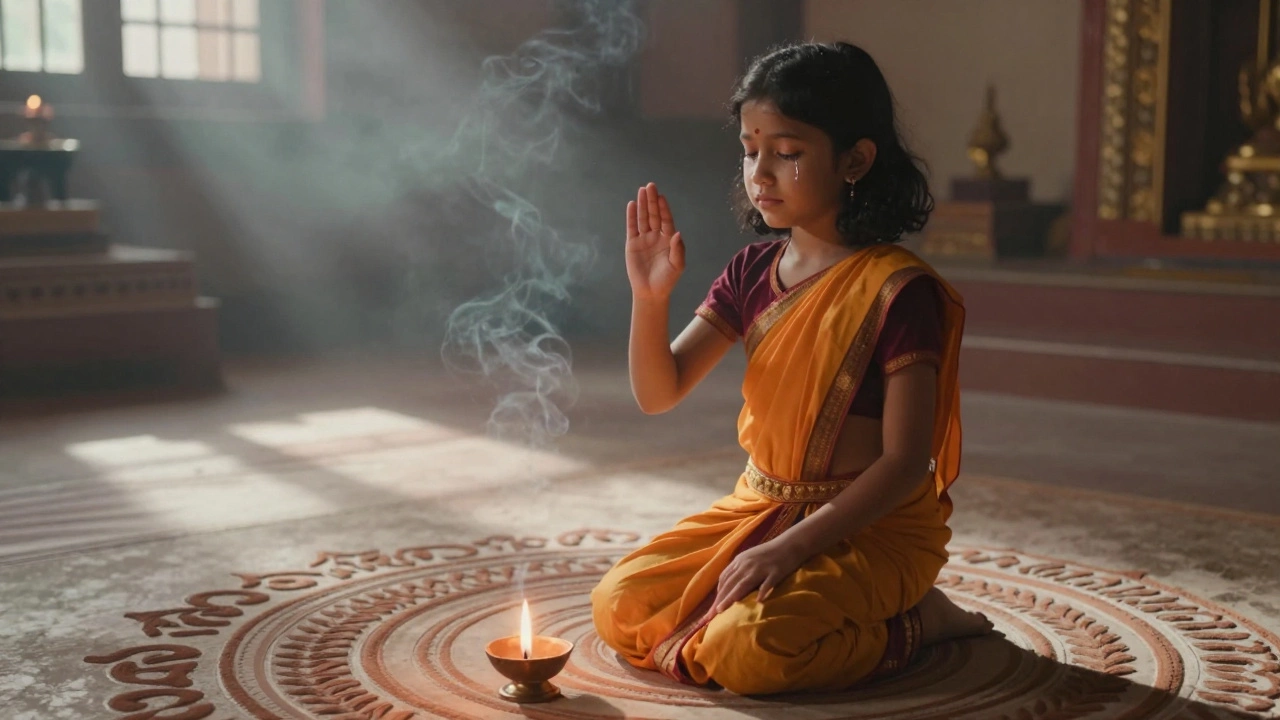
Why the Coolest Dance Is the One That Chooses You
There’s no ranking. No official list. No algorithm that can tell you which dance is "the coolest." The coolest one is the one that pulls you in without asking.
Maybe it’s the way salsa makes you laugh when you step on your partner’s toe. Maybe it’s how hip-hop lets you scream into the rhythm when no one’s watching. Maybe it’s the quiet focus of bharatanatyam, where even your eyelashes seem to dance.
You don’t find the coolest dance by searching online. You find it by trying. By showing up. By failing. By trying again.
Start with one. Not because it’s popular. Not because it looks good on video. But because it makes your heart beat faster when you hear the music.
What to Look for When Choosing Your Dance
- Does the music make your body move before your brain says "yes"?
- Do you feel lighter after dancing, not just tired?
- Is there a community around it-not just online, but in real life?
- Does it challenge you, not just physically, but emotionally?
- Can you keep coming back to it, even when you’re bad at it?
Those are the real signs. Not how many likes you get. Not how many steps you know. But how it changes you.
Where to Start
Try this: pick one dance from above-salsa, hip-hop, bharatanatyam, or flamenco-and go to one class. Not a YouTube tutorial. Not a 30-second TikTok demo. Go to a live class. Bring sweatpants. Bring your awkwardness. Bring your curiosity.
Most studios offer a first class free. No pressure. No commitment. Just movement.
If you’re in Toronto, check out local studios like La Casa de Salsa or Urban Dance Studio. In smaller cities, community centers often host beginner sessions. You don’t need to be fit. You don’t need to be graceful. You just need to show up.
Because the coolest dance isn’t the one everyone’s doing. It’s the one that makes you feel like you’ve finally found your voice.
Is there a "best" dance to learn for beginners?
There’s no single "best" dance for everyone, but salsa and hip-hop are often the most beginner-friendly. Salsa has a clear rhythm and simple basic steps, while hip-hop lets you move naturally without strict form. Both focus on feeling the music rather than perfect technique right away. Bharatanatyam and flamenco require more discipline upfront, so they’re better for those drawn to deep cultural roots or structured art forms.
Can I learn a dance without a partner?
Absolutely. While some dances like salsa and ballroom involve partners, you can still learn the footwork, rhythm, and body movement alone. Many dancers start solo, especially with hip-hop, bharatanatyam, and flamenco. Online classes, mirrors, and practice sessions help build confidence before dancing with others. Partnering is a layer, not the foundation.
How long does it take to get good at a dance?
You’ll feel more confident in about 3-6 months with regular practice (once or twice a week). But "good" isn’t the goal-connection is. Some people dance for years without ever calling themselves "good," but they feel more alive than ever. Progress isn’t measured in steps mastered, but in how much joy you find in moving.
Do I need special shoes or clothes?
Not at first. Comfortable sneakers or bare feet work fine for hip-hop and salsa. For bharatanatyam, you’ll eventually need a traditional skirt or leggings and bare feet. Flamenco requires heel-specific shoes (zapateado shoes), but most studios let beginners use regular shoes with a bit of heel until they’re ready. Clothing should let you move freely-no jeans, no tight skirts. Sweatpants, leggings, or loose tops are ideal.
What if I’m not flexible or coordinated?
Dance isn’t about being flexible or coordinated from day one. It’s about showing up. Flexibility comes with repetition. Coordination builds through rhythm, not talent. Many dancers started out stumbling. One man in Toronto said he couldn’t count to four when he started salsa. Now he teaches it. Progress isn’t about natural ability. It’s about consistency.