India Victory Slogan Selector
Select a scenario below to discover the perfect slogan for celebrating an Indian victory or achievement.
Cricket Win / Military Success
Personal Milestone / Cultural Event
Graduation / Official Ceremony
Startup Unicorn / ISRO Launch
Republic Day / Political Protest
Generic Celebration / Social Media
You might be scrolling through social media on a crisp September evening in Toronto, seeing friends post about cricket wins or space launches from home. You type into the search bar: What is the slogan for India victory? It feels like there should be one definitive phrase, right? Something official, stamped with a government seal, that everyone uses when the tricolor flies high. But here’s the twist: there isn’t just one. The concept of "victory" in the Indian context is layered, historical, and deeply emotional. It shifts depending on whether you are talking about military triumphs, sporting glory, or cultural resilience.
If you dig deeper than the surface-level hashtags, you find that India’s victories are celebrated through a mix of historical mottos, modern sports chants, and poetic expressions of unity. This article breaks down exactly what people mean when they ask this question, offering the specific phrases used in different contexts so you can use them correctly next time you want to share a status update or write a speech.
The Misconception About a Single Official Slogan
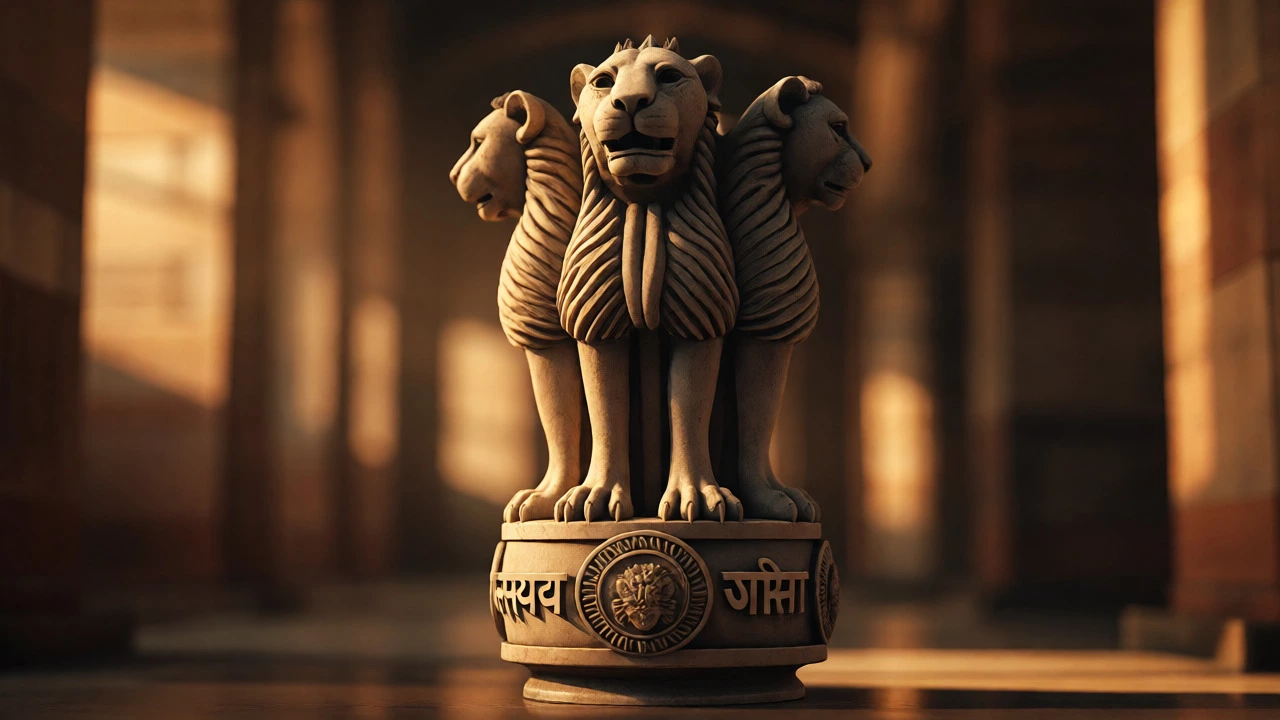
First, let’s clear up the biggest confusion. Unlike some nations that have a singular state motto used exclusively for military parades, India operates on a pluralistic model of identity. The most recognized national motto is Satyameva Jayate, which translates to "Truth alone triumphs." Taken from the Mundaka Upanishad, this phrase appears on the State Emblem of India. While it is technically the motto of the nation, it is philosophical rather than celebratory. You wouldn’t typically shout "Satyameva Jayate!" after a hockey goal. It’s too solemn, too rooted in ancient Vedic philosophy about moral truth prevailing over falsehood.
So, when someone asks for the "victory slogan," they are usually looking for something more visceral. They want energy. They want passion. In modern times, especially during international events like the Olympics, Cricket World Cups, or Diwali celebrations abroad, the go-to phrase has shifted. The most common answer today is simply Jai Hind! (Victory to India) or Vande Mataram! (I bow to thee, Mother). These aren't just words; they are sonic triggers that evoke immediate collective emotion.
Historical Roots: From 'Jai Hind' to 'Vande Mataram'
To understand why these two phrases dominate the conversation, we need to look at their origins. Jai Hind was popularized by Subhas Chandra Bose, the fiery leader of the Indian National Army during World War II. He adopted it as a battle cry. It wasn’t just about winning a war; it was about reclaiming dignity. When Bose said "Jai Hind," he was telling the British Empire that India was alive and fighting back. Today, the Indian Armed Forces still use it as their official greeting. If you meet an Indian soldier, they will say "Jai Hind" to you. It signifies readiness and loyalty.
On the other hand, Vande Mataram comes from Bankim Chandra Chattopadhyay’s novel Anandamath, written in the late 19th century. It became the anthem of the independence movement. Unlike Jai Hind, which is martial, Vande Mataram is devotional. It personifies the land of India as a goddess. When Indians chant this, they aren’t just celebrating a win; they are expressing love for the soil. This distinction matters. If your "victory" is personal-like graduating college or starting a business-Vande Mataram feels more appropriate because it connects your success to your roots. If the victory is competitive-like beating Pakistan in cricket-Jai Hind hits harder because of its aggressive, triumphant tone.
Modern Contexts: Sports and Global Achievements
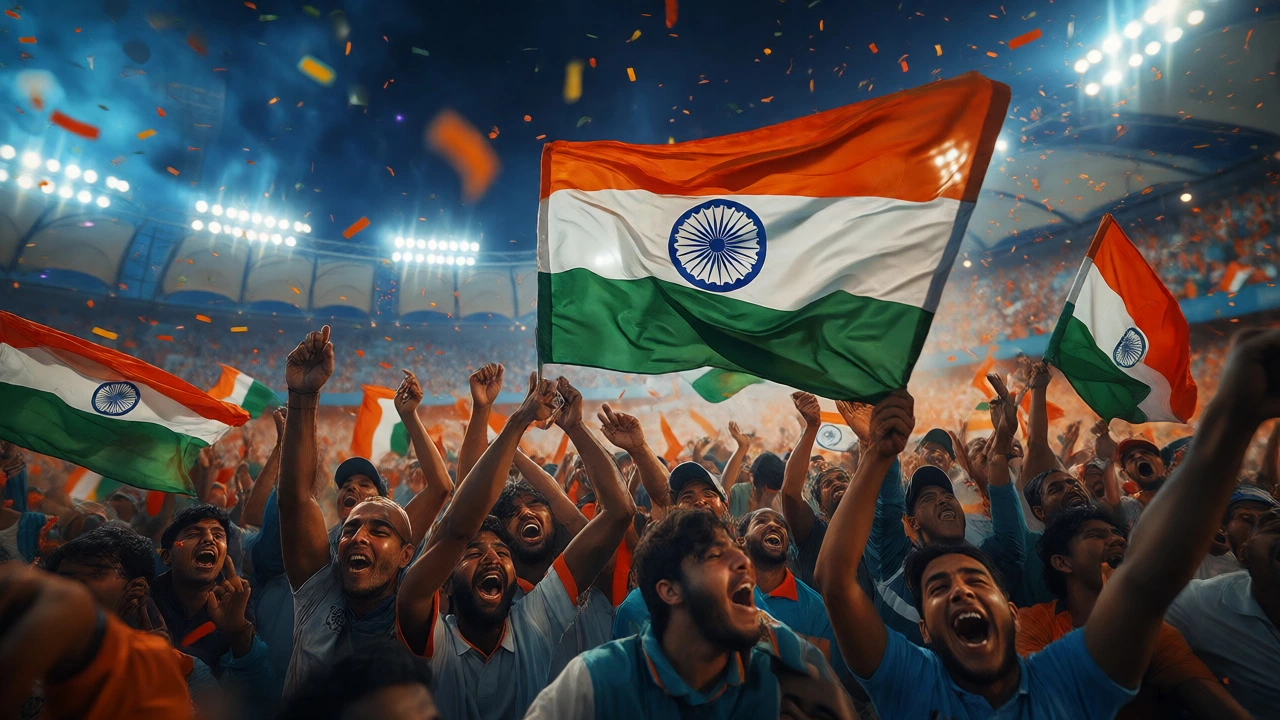
In 2026, the landscape of "Indian victory" has expanded beyond borders. With the diaspora growing in places like Canada, the UK, and the US, the way Indians celebrate success has evolved. During the last Cricket World Cup, you didn’t hear many people chanting Sanskrit verses. Instead, stadiums erupted with rhythmic clapping and the simple, powerful chant: India! India!
This simplicity works because it transcends language barriers within the diverse Indian population. Not every Indian speaks Hindi, Tamil, Bengali, or Marathi equally well. But everyone understands the word "India." It is the ultimate unifying brand. For social media captions, however, people often blend traditional sentiments with modern flair. Here is how different groups frame their victory slogans:
- The Patriot: Uses "Jai Hind" paired with images of the flag. This is common among older generations and those with military connections.
- The Culturalist: Prefers "Vande Mataram" or "Bharat Mata Ki Jai" (Victory to Mother India). This group emphasizes heritage and spiritual connection.
- The Modern Global Citizen: Often uses English phrases mixed with Hindi, such as "Proud Indian" or "Made in India." This is prevalent among younger demographics who view national pride through the lens of economic and technological achievement.
A notable trend in recent years is the rise of Atmanirbhar Bharat (Self-Reliant India) as a victory slogan for economic milestones. When an Indian startup becomes a unicorn or when ISRO lands a rover on the moon, the narrative shifts from military conquest to self-sufficiency. "We did it ourselves" is the underlying sentiment. So, if you are asking about a victory in science or business, "Atmanirbhar Bharat" is the relevant thematic slogan.
Regional Variations and Linguistic Nuances
India is not a monolith. What sounds like a victory slogan in Delhi might feel foreign in Chennai. This is crucial if you are writing content for a pan-Indian audience. In the South, particularly in Tamil Nadu, the emphasis is often on linguistic pride. Phrases like Tamil Vaazhum (Tamil Lives) carry weight during cultural festivals. However, even there, "Jai Hind" is understood and respected as a national marker, though it may not evoke the same visceral reaction as local heroes’ names.
In Bengal, "Vande Mataram" holds immense power due to its literary origins. In Maharashtra, the legacy of Shivaji Maharaj introduces phrases like Har Har Mahadev or references to Swarajya (self-rule). Recognizing these nuances prevents your message from feeling generic. If you are creating a campaign for a specific region, tailor the slogan. But if you need a single line that works everywhere, stick to the visual symbol of the flag or the universal chant of "India."
| Slogan | Origin/Context | Best Used For | Tone |
|---|---|---|---|
| Jai Hind | Military/Independence Movement | Sports wins, Military achievements, General patriotism | Aggressive, Triumphant |
| Vande Mataram | Literary/Devotional | Cultural events, Personal milestones, Emotional tributes | Reverent, Poetic |
| Bharat Mata Ki Jai | Political/Social Movements | National Day celebrations, Political rallies | Assertive, Protective |
| Satyameva Jayate | Ancient Vedic Text | Formal ceremonies, Academic achievements, Truth-based narratives | Philosophical, Solemn |
| Atmanirbhar Bharat | Modern Economic Policy | Business successes, Tech innovations, Self-reliance stories | Empowering, Forward-looking |

How to Use These Slogans Effectively
Using a slogan incorrectly can make you seem out of touch. Imagine posting "Satyameva Jayate" under a picture of a fast food chain opening. It feels disjointed. Here are practical rules of thumb for deploying these phrases in 2026:
- Match the Energy: If the news is exciting and loud (a cricket six), use short, punchy phrases like "Jai Hind!" or "India Wins!" If the moment is reflective (Republic Day), use longer, more dignified lines like "Saluting the Spirit of India."
- Know Your Audience: Are you talking to family elders? "Vande Mataram" will resonate deeply. Talking to Gen Z peers? "Proud Indian" or emojis of the flag might suffice. Don’t force archaic language where modern slang fits better.
- Visual Pairing Matters: A text-only post saying "Jai Hind" is okay, but pairing it with a photo of the Ashoka Chakra or the tricolor amplifies the impact. Visuals anchor the abstract concept of victory in reality.
- Avoid Cliché Overload: Everyone uses "Jai Hind." To stand out, add a personal touch. Instead of just "Jai Hind," try "Jai Hind from Toronto - Celebrating our roots." This adds specificity and authenticity, which algorithms and humans alike appreciate.
The Emotional Core Behind the Words
Why do we care about these slogans? Because for the Indian diaspora, especially those living far away like in Canada, these words are anchors. They connect us to a shared history of struggle and survival. When an Indian athlete wins gold, it’s not just a medal; it’s validation of talent on a global stage. The slogan becomes a vessel for that collective pride.
Think about the first time you heard "Vande Mataram" sung live. The hair stands up. That physical reaction is what makes these slogans powerful. They bypass logic and hit the heart. So, when you ask "What is the slogan for India victory?", remember that the answer isn’t just a string of words. It’s an invitation to feel part of something larger than yourself. Whether you choose the martial "Jai Hind" or the devotional "Vande Mataram," ensure your usage reflects genuine respect for the culture behind the phrase.
Is "Jai Hind" the official national slogan of India?
No, "Jai Hind" is not the official constitutional motto. The official motto inscribed on the State Emblem is "Satyameva Jayate" (Truth Alone Triumphs). However, "Jai Hind" is widely accepted as the de facto patriotic greeting and victory cry, largely due to its association with Subhas Chandra Bose and the Indian Armed Forces.
When should I use "Vande Mataram" instead of "Jai Hind"?
Use "Vande Mataram" when the context is cultural, emotional, or devotional. It honors the motherland as a divine entity. "Jai Hind" is better suited for competitive victories, military achievements, or moments requiring assertive national pride. If you are celebrating a personal milestone tied to your heritage, "Vande Mataram" feels more intimate and respectful.
Can non-Indians use these slogans?
Yes, absolutely. Many non-Indians use "Jai Hind" or "Vande Mataram" to show solidarity, appreciation, or support for Indian causes and events. It is generally received positively as a gesture of respect, provided it is used sincerely and not mockingly.
What does "Bharat Mata Ki Jai" mean?
It translates to "Victory to Mother India." It is a political and social slogan often used during protests, national holidays, and rallies. It emphasizes the personification of India as a mother figure who must be protected and honored. It carries a strong sense of duty and protectionism.
Are there regional alternatives to these main slogans?
Yes. In Tamil Nadu, "Tamil Vaazhum" (Long Live Tamil) is prominent. In Bengal, "Joy Bangla" (Victory to Bengal) is common. In Punjab, "Bole So Nihal, Sat Sri Akal" serves as both a religious and cultural greeting. However, for pan-Indian contexts, the Hindi-origin slogans remain the most universally recognized across all states.