The Spirit of India: Finding Your Dharma
Test how your decision-making aligns with Indian philosophical concepts like Dharma, Ahimsa, and the balance of Tradition vs. Modernity.
Select the option that feels most "right" to you in these scenarios. There are no wrong answers, only different paths.
Your Spirit Archetype:
Why this matters:
As the article explains, the spirit of India isn't just one thing. It's a living contradiction—holding ancient wisdom while racing toward the future. How you navigated these scenarios reflects your personal approach to that unique balance.
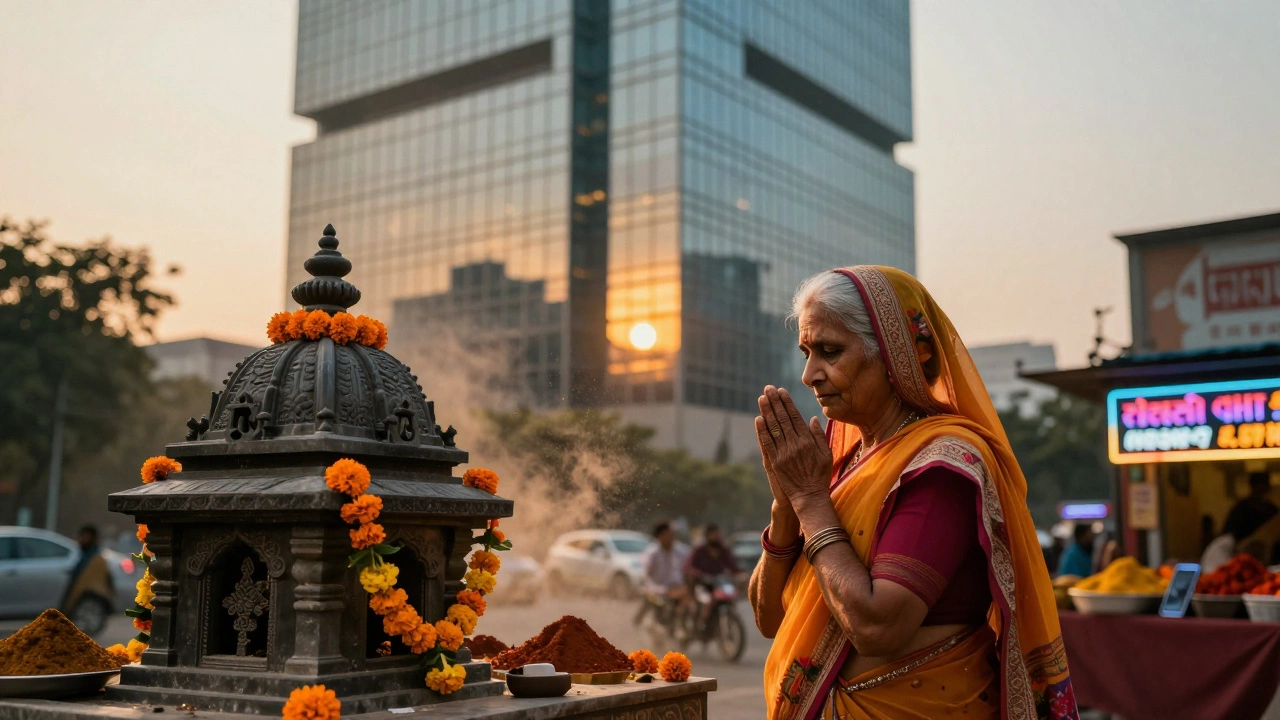
Imagine a place where ancient chants echo through bustling markets, where modern tech hubs sit beside centuries-old temples, and where millions of gods live alongside strict atheists. That is India. Asking what the spirit of India is feels like trying to hold smoke in your hand-it slips through your fingers, yet you can feel its heat and weight. It isn't just one thing. It isn't just religion, nor is it just politics. It is a living, breathing contradiction that manages to function as one whole.
We often hear phrases like "Unity in Diversity," but do they really capture the soul of the nation? When people think of Indian spirit, they might picture the calm of a yoga mat or the vibrant chaos of a Diwali festival. Both are true. Both exist simultaneously. In 2026, as the world looks toward Asia for innovation, understanding this inner rhythm matters more than ever. This isn't a history lesson; it's a look at how this complex energy shapes lives today.
The Root: Ancient Philosophy
To understand where India stands now, you have to trace the lines back thousands of years. The foundation of the Indian Spirit rests heavily on its philosophy. It isn't just about believing in something; it is about questioning everything. The Vedas, the oldest scriptures, were not commands from above but inquiries into existence. They ask, "Who am I? What is the universe?" This curiosity never stops. Even in a crowded Delhi bus or a Bangalore cafe, the conversation often circles back to purpose.
Consider the concept of Dharma. Unlike the Western idea of duty, Dharma is more personal. It means doing what is right for you, in your context, at this moment. It creates a moral compass that guides individual action within a collective framework. You see this in families where older generations teach younger ones not just rules, but the reasoning behind them. It is about balance. This philosophical root makes the society resilient. When change comes-and it does fast here-the core remains anchored in these ethical discussions.
The Many Faces of Belief
One cannot talk about the Indian spirit without acknowledging the sheer variety of its faith. It is a land that gave birth to four major religions. Hinduism, Buddhism, Jainism, and Sikhism all originated on this soil. Each brings a different flavor to the national character. For example, Buddhism emphasizes non-violence and mindfulness, while Sikhism focuses on community service and equality.
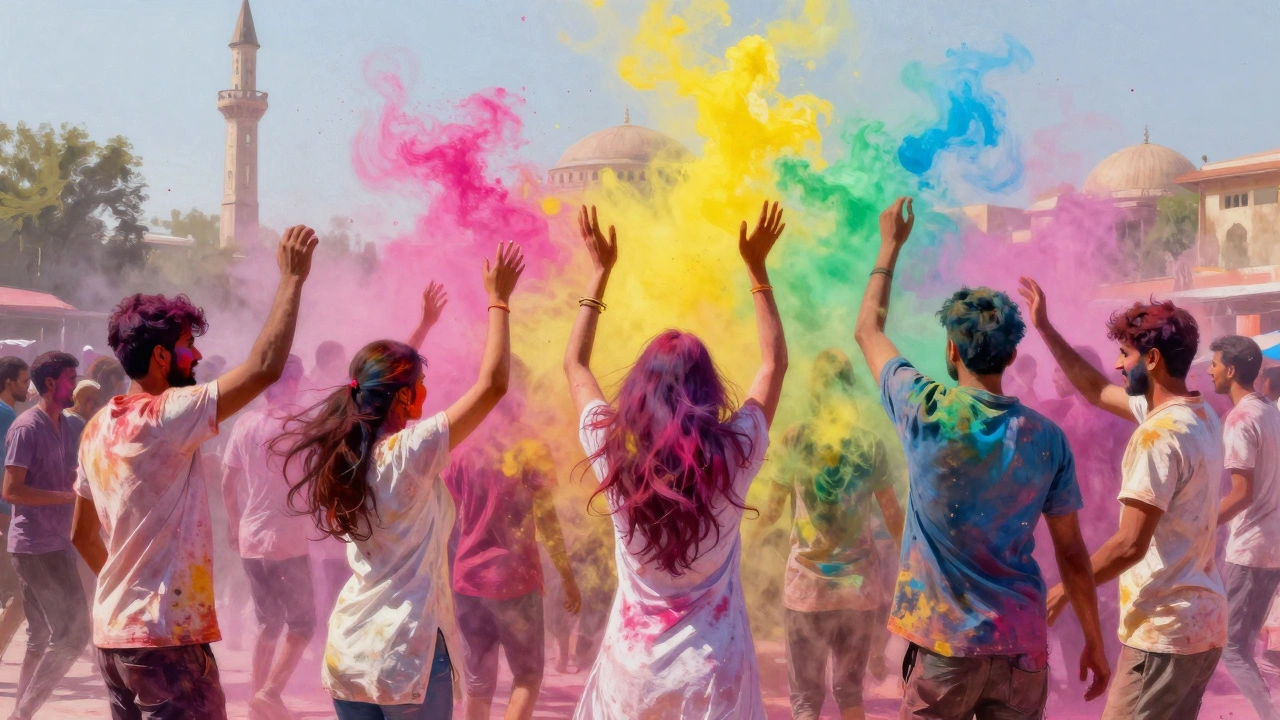
This diversity is visible even now. During Eid, neighbors share sweets with Muslim friends. During Christmas, Christian communities welcome Hindus. During Navratri, people dance regardless of their specific creed. The Festival of Colors (Holi) is a perfect metaphor. Everyone throws colors at everyone else. Boundaries blur. For a few days, hierarchy disappears. The spirit of India thrives on this fluidity. It accepts that truth can be approached through many doors, and none of us own the lock.
| Concept | Meaning | Daily Application |
|---|---|---|
| Dharma | Cosmic Order/Duty | Making ethical choices in business and family |
| Karma | Action and Consequence | Understanding cause and effect in life |
| Ahimsa | Non-violence | Vegetarianism and conflict resolution |
| Moksha | Liberation | Seeking freedom from material attachment |
Hospitality: The Warmth of 'Atithi Devo Bhava'
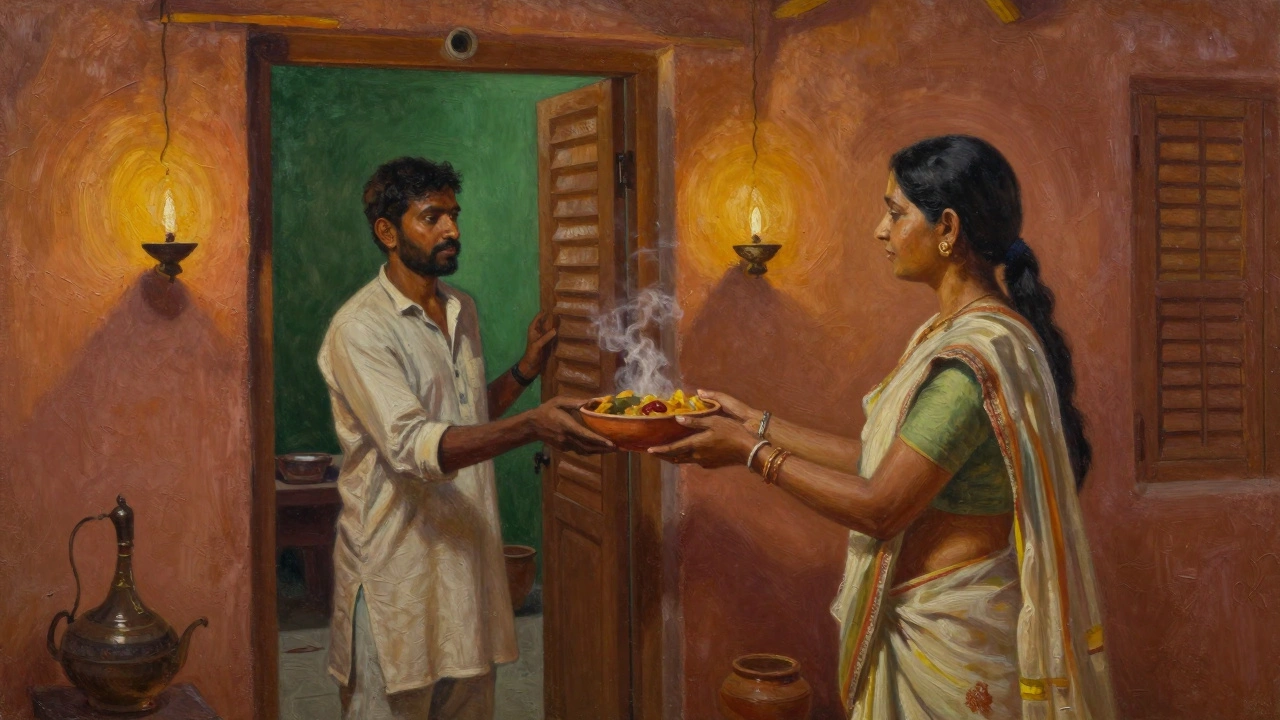
If you visit an Indian home, you quickly understand another layer of this spirit. There is a Sanskrit phrase: Atithi Devo Bhava. It translates to "The guest is God." This is not a polite slogan; it is a lived reality. Whether you are in a small village in Kerala or a large apartment in Mumbai, opening the door to a stranger is instinctive. You are fed before you even ask. You are listened to even if you stay late. This hospitality stems from a deep sense of shared humanity.
This warmth extends to strangers too. Ask for directions on the street, and people will walk with you to show the way, even in traffic. Why? Because isolation is seen as unnatural. We are part of a web. If someone is lost, helping them restores order. This social fabric holds the country together when political systems struggle. In times of disaster, you see locals rushing to help first, before aid organizations arrive. That impulse comes from this ingrained value of caring for others without expectation.
The Struggle of Tradition and Modernity
India in 2026 is a collision course between the ancient and the futuristic. On one side, you have startups building AI companies. On the other, grandmothers cooking curries using spices passed down for fifty generations. Does the spirit survive this clash? Sometimes yes, sometimes it frays. Young people often feel torn between career ambitions in Silicon Valley and family expectations to marry young or care for elders.
However, this tension drives evolution. It forces old traditions to adapt rather than disappear. Yoga moved from ashrams to gyms worldwide. Meditation became a mental health tool. These shifts aren't losing the spirit; they are translating it. The challenge lies in not letting the economic hunger consume the cultural depth. As cities grow faster than infrastructure, preserving community spaces becomes vital. The spirit relies on connection, and concrete jungles threaten that connection if we aren't careful.
The Voice of Resilience
You cannot ignore the strength found in the face of adversity. India has survived foreign invasions, partitions, famines, and rapid demographic shifts. The resilience of the common citizen is legendary. Think of the farmers who return to their fields after floods, or the women running businesses with limited resources. This grit forms a quiet backbone of the national character. Leaders like Mahatma Gandhi highlighted this power, showing that strength doesn't need weapons. The belief that peace can overcome violence is still woven into the popular consciousness, even if it is tested daily.
This resilience is reflected in the arts too. Look at the stories in the Ramayana or Mahabharata. They are not just myths; they are blueprints for living through chaos. Every character represents a flaw or a virtue. People identify with these struggles. Knowing that heroes also fall gives permission to humans to be imperfect. It builds a culture of endurance rather than perfectionism.
Finding the Essence Today
So, what is the spirit? It is the ability to hold opposites without breaking. It is seeing the sacred in the mundane. It is the chaotic noise of a market and the silence of a morning prayer coexisting in the same hour. For a traveler or a student, grasping this requires patience. It requires listening to the old men by the river as much as reading the news about space stations.
In the end, the spirit of India belongs to those willing to experience the messiness of it. It isn't a polished image sold in brochures. It is a messy, beautiful, loud, quiet, angry, loving reality. To know India is to accept that nothing is simple, and that within that complexity lies the answer to being truly human.
Frequently Asked Questions
What is the central theme of Indian culture?
The central theme revolves around interconnectedness, often described as Dharma. It prioritizes harmony between individuals, society, and nature over pure individualism.
Is spirituality essential to the Indian way of life?
Yes, for many, spiritual practice is woven into daily routine. However, it varies greatly; some interpret it strictly religiously, while others view it philosophically or culturally without dogmatic beliefs.
How does globalization affect traditional Indian values?
Globalization creates tension. While consumer habits change rapidly, core family structures and respect for elders remain surprisingly strong in most communities, adapting rather than disappearing.
Why is hospitality so important in India?
Hospitality reflects the belief that guests are divine blessings. Historically, travelers relied on safe shelter, creating a long-standing social contract of mutual protection and care.
Can secular values coexist with deep religious roots?
Absolutely. The Constitution of India guarantees secularism, meaning equal treatment for all religions, allowing diverse faiths to thrive within a single legal framework peacefully.