Indian Wisdom and Culture in 2025: Quotes, Poetry, and Daily Life

When you think of Indian wisdom, timeless insights rooted in ancient texts like the Upanishads and Bhagavad Gita that guide daily living, inner peace, and moral clarity. Also known as ancient Indian philosophy, it doesn’t shout—it whispers, in the silence between heartbeats, in the rustle of a prayer flag, in the way a mother feeds her child before sunrise. This isn’t just philosophy. It’s the rhythm of everyday life in India, where a math equation like 3 to the power of 3 becomes a metaphor for persistence, and a single line of poetry carries the weight of generations.

Indian poetry, a deeply emotional art form that turns pain into beauty, especially through forms like the Urdu ghazal and devotional verse. Also known as heartbreak poetry, it gives names to feelings too deep for English—like dard-e-dil, the sacred ache of a broken heart that’s honored, not hidden. This poetry doesn’t need loud music. It lives in the quiet after a sad song ends, like ‘Kabhi Kabhie Mere Dil Mein,’ which still breaks hearts decades later because it doesn’t beg for sympathy—it just sits with you. And it’s not just about love. It’s about loss, resilience, and the unspoken strength of ordinary people.

These posts aren’t random. They’re a map. They show how Indian culture, a living, breathing tapestry of rituals, food, family bonds, and spiritual practices that vary from village to city. Also known as daily life in India, it’s not a tourist postcard—it’s the smell of jalebi on a birthday morning, the way elders bless with a touch of turmeric, the silence after a prayer. You’ll find the real story behind India’s national motto, Satyameva Jayate—not as a political slogan, but as a quiet promise passed down in homes. You’ll see why one word—resilience—fits India better than any grand definition. And you’ll understand why spiritual quotes from India travel far beyond its borders: they don’t promise success. They offer peace.

There’s no single India. There are hundreds—each with its own food, its own grief, its own way of saying ‘I’m still here.’ In November 2025, these posts collected those voices. Not the loudest ones. Not the trendiest. But the ones that stay with you—when the lights go out, when the phone stops buzzing, when you’re alone and need to remember what matters.

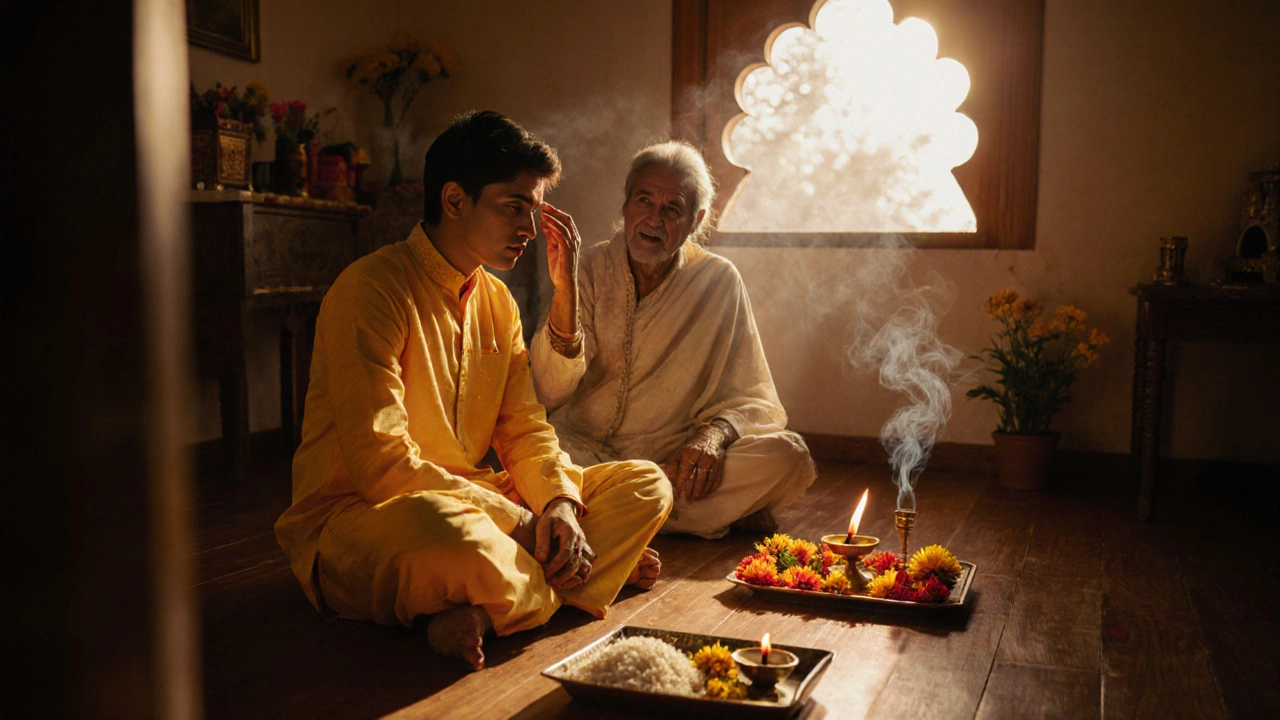
How to Celebrate Birthday in Indian Style: Traditions, Food, and Meaningful Rituals

Discover authentic Indian birthday traditions-from morning rituals and sweet first bites to regional foods and family blessings. Learn how to celebrate with meaning, not just noise.
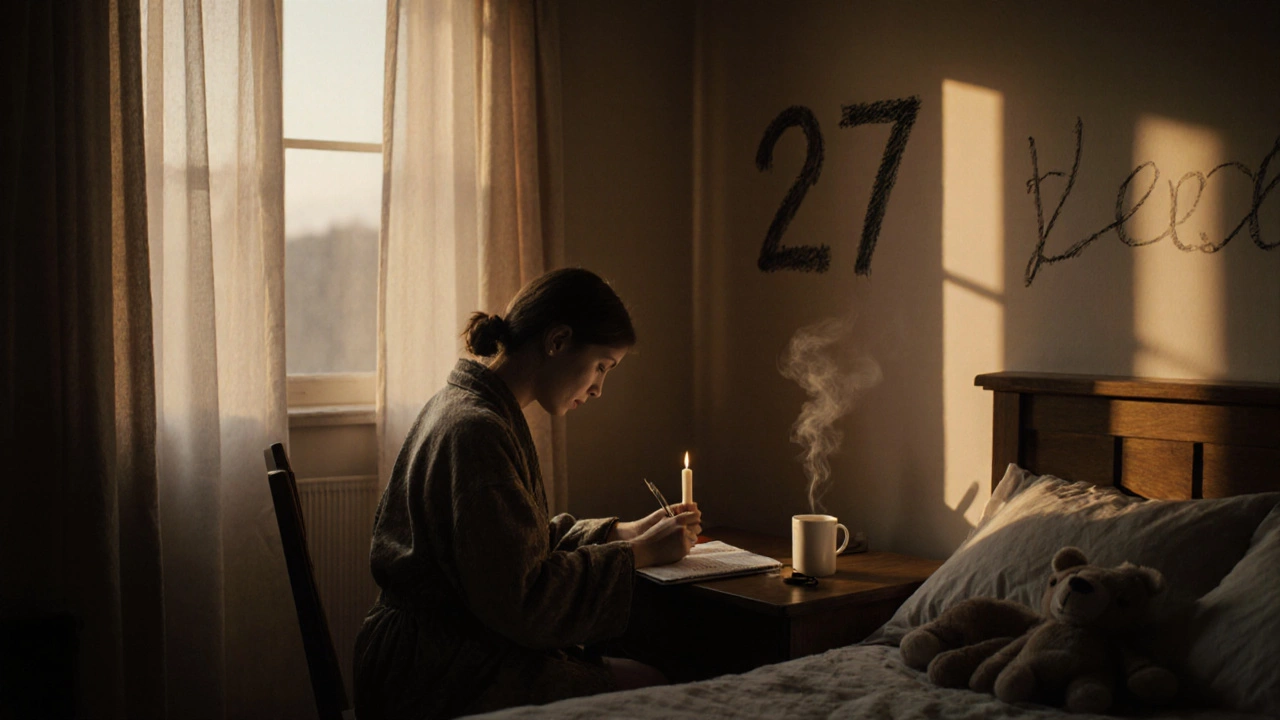
What Is 3 to the Power of 3? The Math Behind a Powerful Motivational Quote

3 to the power of 3 equals 27 - a simple math fact that’s become a quiet symbol of persistence. Discover how this number represents the power of small, repeated efforts in building real change.
5 Positive Quotes from Indian Wisdom That Lift Your Spirit

Five powerful positive quotes rooted in Indian wisdom that offer quiet strength during tough times-simple, practical, and timeless. No fluff, just truth.
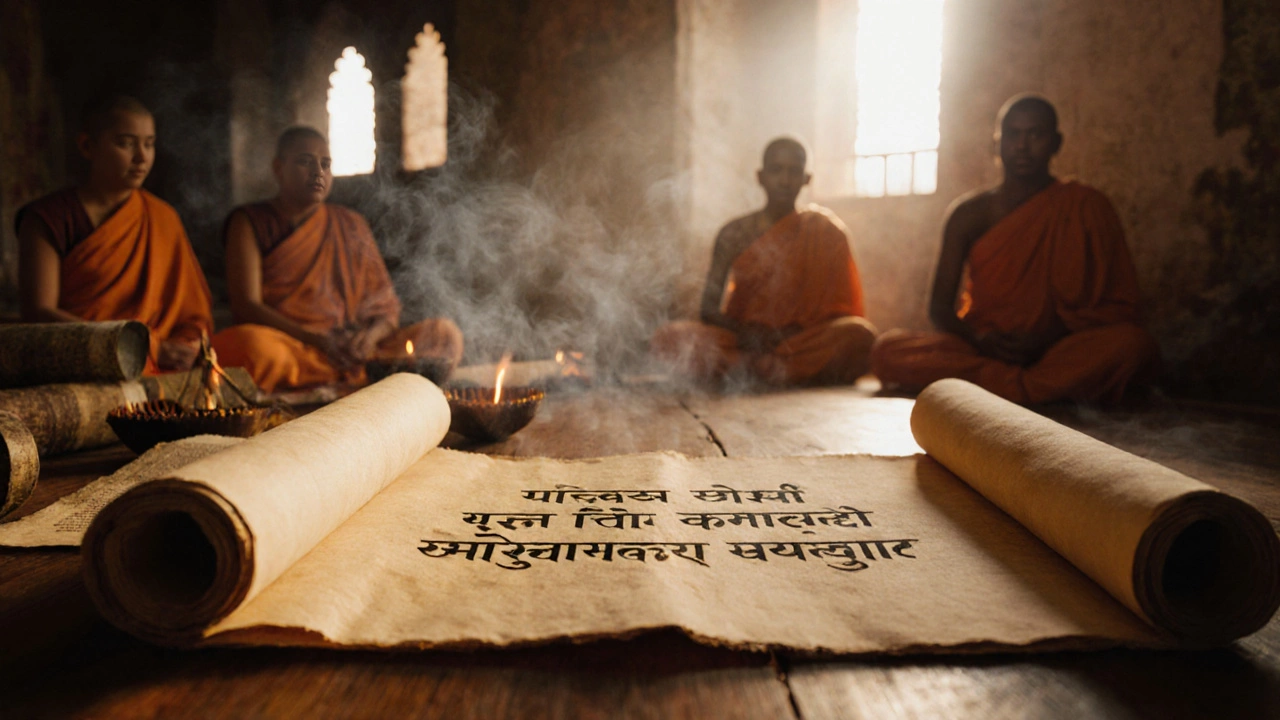
What Is the National Quote of India? The Real Story Behind the Motto

India's national quote is Satyameva Jayate, meaning 'Truth alone triumphs.' Originating from ancient Sanskrit texts, it's engraved on the national emblem and reflects the country's deep-rooted values beyond politics.

What Is the Best Sad Song in India? The One That Still Breaks Hearts Today

The best sad song in India isn't the most popular-it's the one that lingers in silence. 'Kabhi Kabhie Mere Dil Mein' captures quiet grief like no other, resonating across generations with its restrained beauty and timeless lyrics.
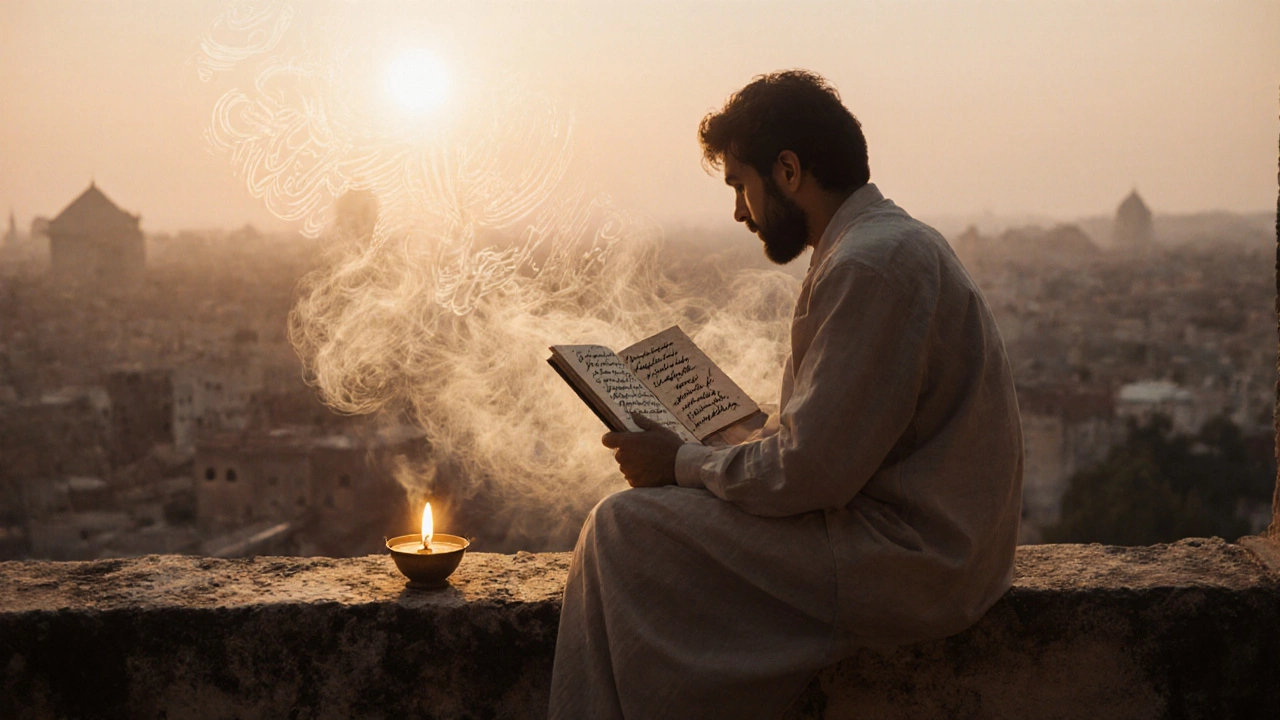
What Is a Broken Heart Called in Indian Poetry?

In Indian poetry, a broken heart is called dard-e-dil-a deep, untranslatable ache carried through centuries of ghazals and verses. This is not just sadness; it's sacred sorrow, honored in language, music, and silence.
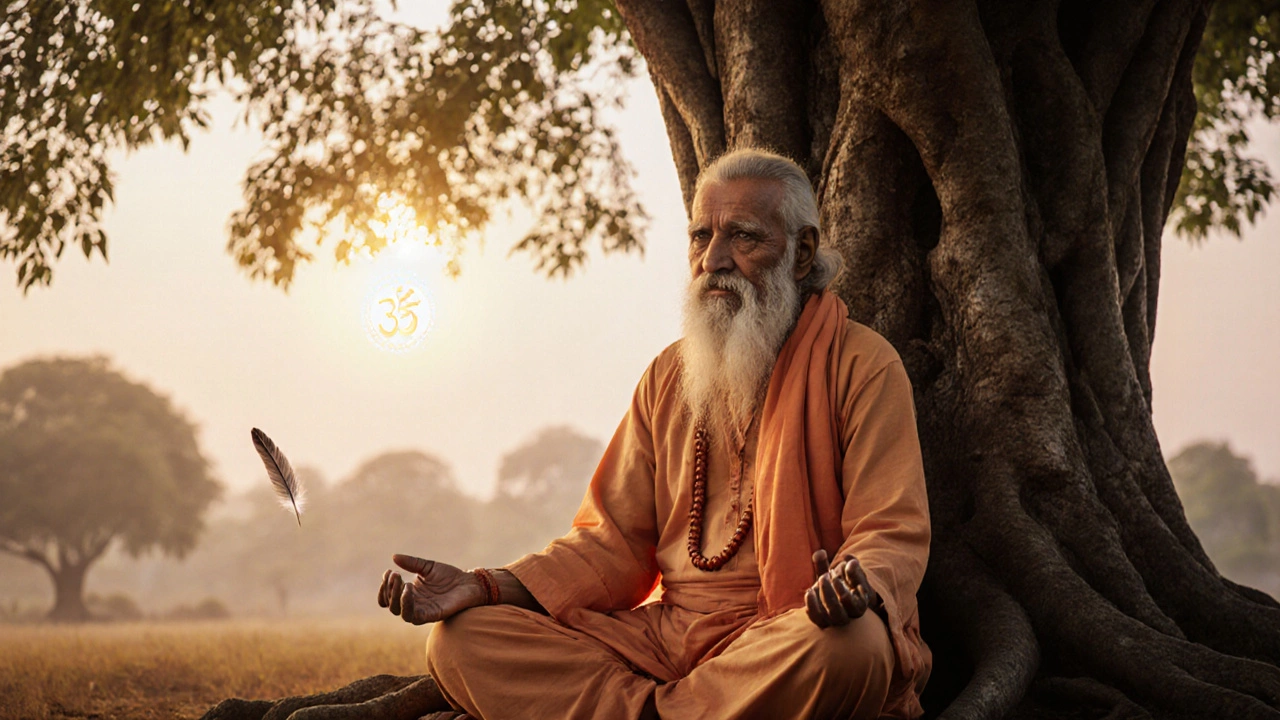
Why Is India So Famous for Its Spiritual Quotes?

India is famous for its spiritual quotes because they offer timeless wisdom on peace, presence, and inner freedom-not hustle or success. Rooted in ancient texts like the Upanishads and Bhagavad Gita, these quotes help people worldwide quiet their minds and live with clarity.
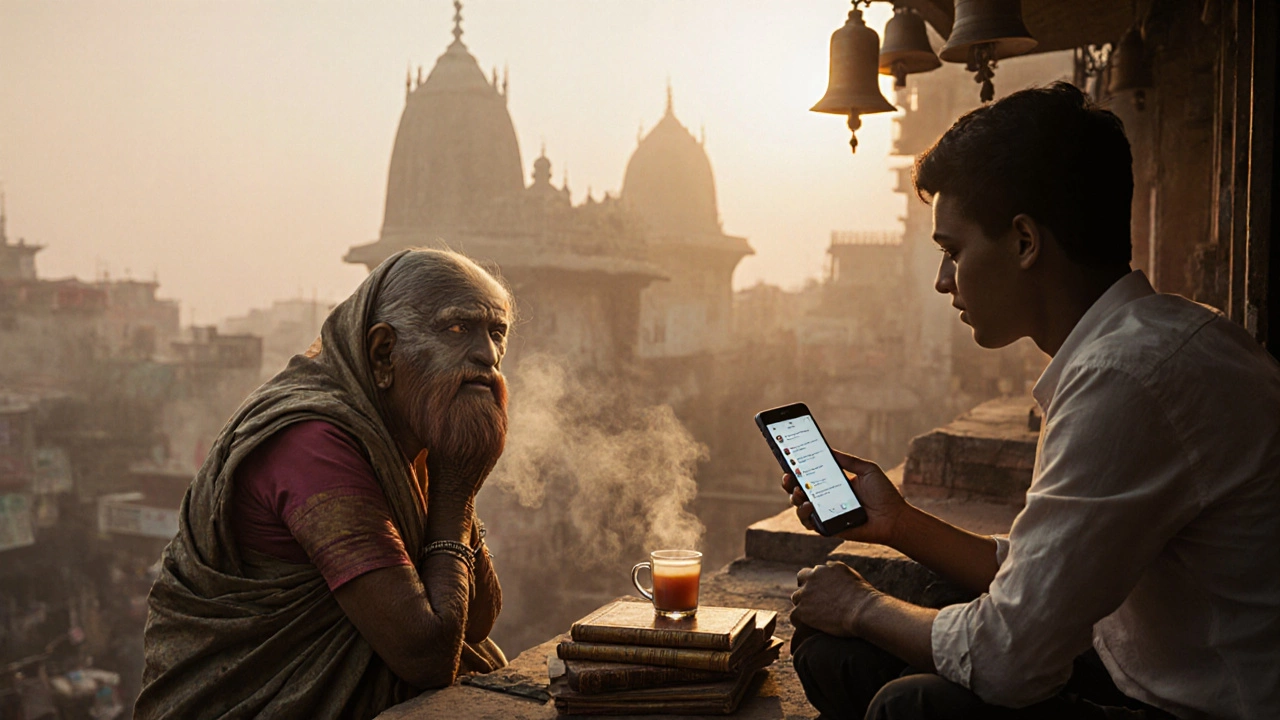
How Do You Define India in One Word? The Truth Behind the Silence

India can't be defined in one word-but if you had to pick, 'resilience' captures its quiet strength. From village kitchens to tech hubs, India endures not through noise, but through unwavering, everyday humanity.

What is the saddest poem by Pablo Neruda?

Pablo Neruda's 'Poem 20' from 'Twenty Love Poems and a Song of Despair' is widely considered his saddest work-a quiet, unadorned meditation on loss that resonates across cultures, including in India, where silence often speaks louder than words.
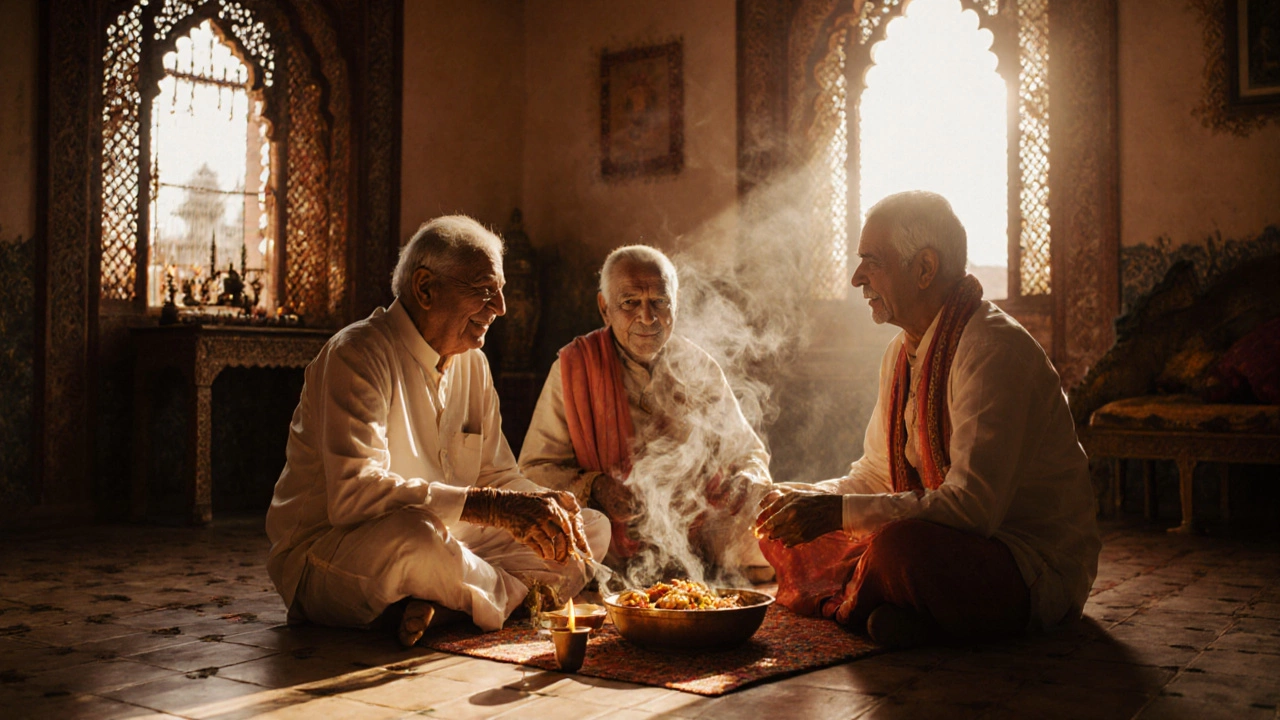
What Is the Way of Life in India? A Real Look at Daily Living

The way of life in India is shaped by family, faith, food, and resilience. It’s not one story-it’s hundreds, woven together across cities, villages, and generations.