Indian Birthday Gift Calculator
In Indian culture, it's considered auspicious to give odd-numbered gift amounts during birthday celebrations. Even numbers are often avoided as they're associated with mourning rituals.
Your gift amount will be:
Pro Tip: In many Indian traditions, giving amounts like ₹51, ₹101, or ₹201 is considered particularly auspicious as they contain the number 1 (representing unity and new beginnings).
Birthdays in India aren’t just about cake and candles. They’re a blend of ancient rituals, family bonds, and vibrant traditions that vary by region, religion, and community. If you’re looking to celebrate a birthday the Indian way, it’s not about copying a single custom-it’s about bringing warmth, meaning, and a little bit of magic into the day.
Start with a Sacred Ritual: The Muhurat and Tilak
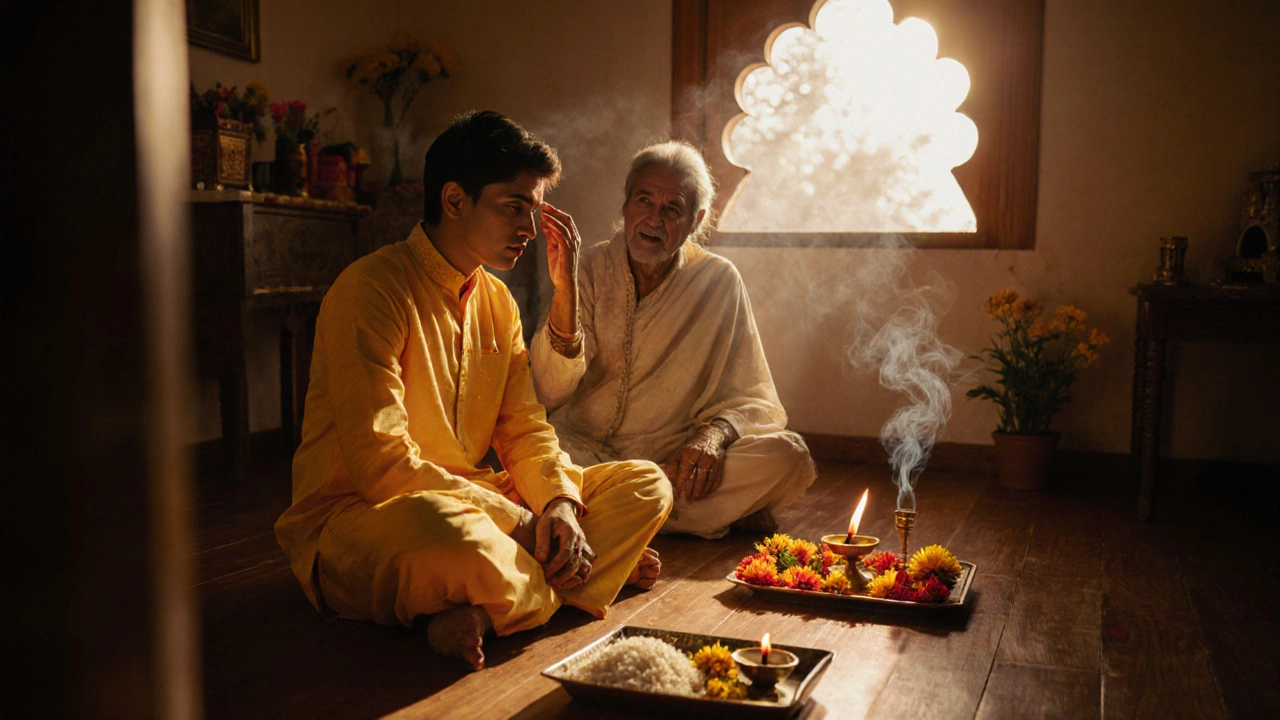
Many Indian families begin the birthday with a small but powerful ritual called muhurat. Before sunrise, the birthday person wakes up, takes a bath, and wears new clothes-often a traditional outfit like a kurta-pajama or saree. A family member, usually the eldest or a parent, applies a tilak (a dot of vermilion or sandalwood paste) on the forehead. This isn’t just decoration; it’s a blessing meant to invite good fortune and protect against negative energy.In Hindu households, this is often followed by a quick puja at home. A small altar is set with a diya (oil lamp), incense, flowers, and offerings like fruits and sweets. A prayer is said to Lord Ganesha, the remover of obstacles, and sometimes to the family’s chosen deity. The birthday person may touch the feet of elders as a sign of respect and to receive their blessings.
Wear Something New: The Symbolism of Fresh Start
Wearing new clothes on your birthday is non-negotiable in most Indian homes. It’s not about showing off-it’s about symbolizing a fresh beginning. The color matters too. Red and yellow are popular because they’re considered auspicious. In South India, people often wear silk sarees or dhotis. In the North, bright kurtas with embroidery are common. Even if you’re not religious, this tradition carries emotional weight-it’s your day to feel special, wrapped in something that feels like celebration.Some families even buy new jewelry or accessories for the birthday person. A simple bangle or a pair of earrings given by a grandmother can become a cherished keepsake.
Feast Like a Family: The Birthday Meal
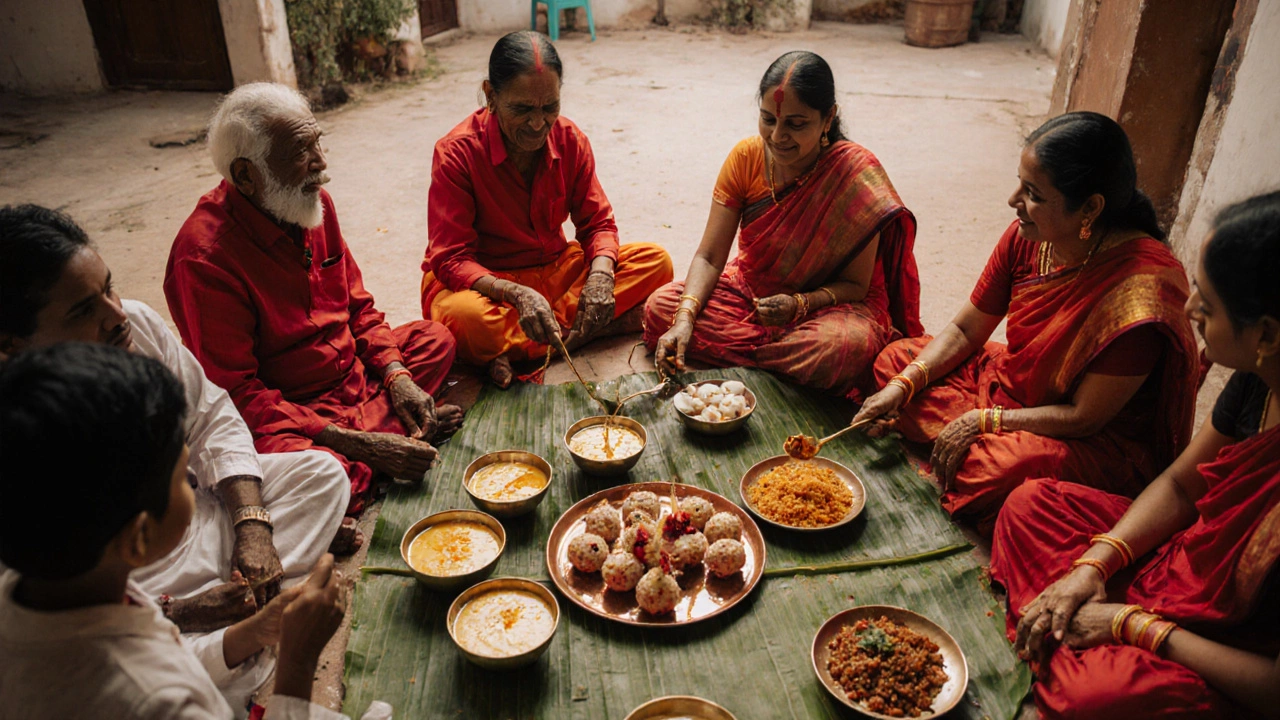
Food is the heart of any Indian celebration, and birthdays are no exception. There’s no single birthday menu, but certain dishes appear again and again. Sweet rice (payasam or kheer) is almost always on the table. It’s made with milk, rice, sugar, and cardamom, and sometimes garnished with nuts. The sweetness represents the hope for a sweet year ahead.In Bengal, you’ll find rosogolla or chomchom. In Maharashtra, puran poli-a flatbread stuffed with lentils and jaggery-is a must. In the South, pongal (a savory rice and lentil dish) might be served alongside sweets. Even if you’re not cooking from scratch, serving at least one traditional sweet is a powerful nod to culture.
It’s also common to serve food on banana leaves, especially in rural areas or during larger gatherings. This isn’t just eco-friendly-it’s deeply symbolic. The leaf represents nature’s generosity and is believed to purify the food.
Break the Fast: The First Bite Tradition
In many Indian homes, the birthday person doesn’t eat anything until after the morning rituals. This is called the fast-not out of religious obligation, but as a way to make the first bite meaningful. The first food eaten is always sweet. A single bite of jaggery, a drop of honey, or a small piece of sugar candy is placed on the tongue. Some families even whisper a blessing as they do it.After that, the day opens up for meals, snacks, and treats. But that first bite? It’s the quiet, sacred moment that ties the whole day together.
Give Gifts with Meaning, Not Just Value
Gift-giving in Indian birthdays isn’t about the price tag. It’s about thoughtfulness. A handmade card with a poem or a drawing from a child carries more weight than a store-bought gadget. Common gifts include:- Books, especially religious or inspirational ones
- Silver or gold coins (symbolizing prosperity)
- Incense sticks or prayer beads
- Handmade sweets from a local shop
- A new pair of shoes or slippers (to walk a good path in the coming year)
In some communities, giving money in odd amounts-like ₹51 or ₹101-is preferred. Even numbers are avoided because they’re associated with mourning rituals. Odd numbers are seen as lucky and full of energy.
Family Comes First: The Role of Elders
Unlike Western birthdays where the focus is often on the individual, Indian birthdays are deeply communal. Elders don’t just attend-they lead. They bless, they feed, they share stories. It’s common for grandparents to recount how the birthday person was as a baby, or to tell tales from their own childhood birthdays.Even if you live far away, calling your parents or grandparents on your birthday is expected. A video call with the whole family singing a birthday song in Hindi or Tamil can be more moving than any party. In many homes, the birthday person is treated like a guest of honor for the day-no chores, no scolding, just love and attention.
Regional Variations: What’s Different Across India
India is vast, and birthday traditions aren’t one-size-fits-all.In South India, especially Tamil Nadu and Kerala, birthdays are often celebrated on the day of the birth star (nakshatra), not the calendar date. The person may visit a temple and offer coconuts or flowers. A special dish called pongal is prepared and shared with neighbors.
In West Bengal, birthdays are celebrated with a bhog-a community meal offered to deities and then distributed. The birthday person wears white, and no red is used.
In North India, especially among Punjabis, birthdays are often marked with a langar-free food served to everyone in the community. It’s a way to share joy and good karma.
In East India, like in Odisha, the birthday person might wear a red thread around the wrist for protection. This thread is tied by a priest or elder and kept on for days or weeks.
Modern Twists: Blending Old and New
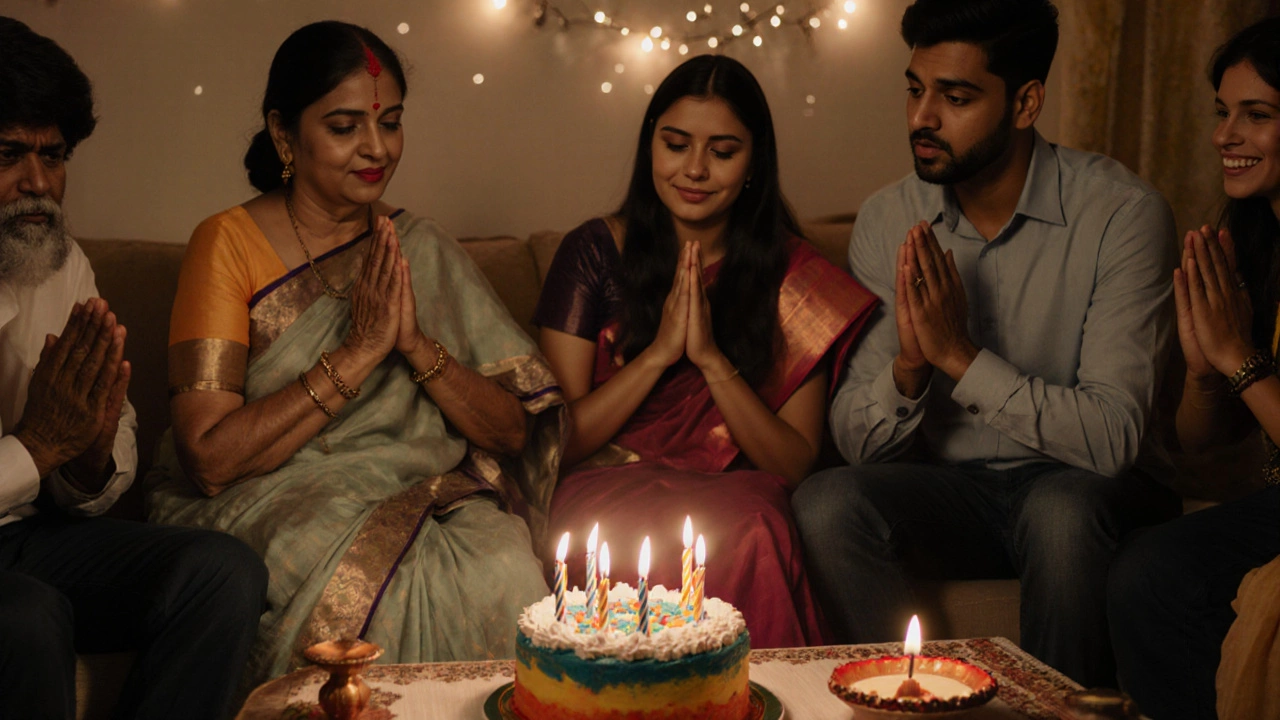
Many Indian families today mix traditions with modern touches. You might have a cake with candles-but also a small puja before cutting it. You might host a party with music and dancing, but start the day with a family prayer. The key is balance.Some urban families now combine birthday celebrations with charity. Instead of receiving gifts, the birthday person donates books, clothes, or food to those in need. It’s a way to turn personal joy into collective good.
Even if you live abroad-in Toronto, London, or Sydney-you can still honor these traditions. Cook a dish from home. Call your family. Wear something colorful. Light a candle and say a quiet prayer. These small acts keep culture alive.
Why These Traditions Still Matter
At their core, Indian birthday customs are about connection-to family, to heritage, to something bigger than yourself. In a world that’s fast and digital, these rituals ground you. They remind you where you come from, who loves you, and what truly matters.It’s not about having the biggest party or the most likes on Instagram. It’s about the smell of incense in the morning, the taste of sweet rice on your tongue, the sound of your grandmother’s voice singing a lullaby you haven’t heard since you were five.
That’s the real Indian birthday.
Do Indians celebrate birthdays on the actual calendar date?
It depends. In urban areas and among younger generations, most people celebrate on the calendar date. But in traditional Hindu families, especially in South India, birthdays are often observed on the day of the birth star (nakshatra) according to the lunar calendar. Some families even celebrate both dates-one for family rituals and one for the party.
What is the significance of eating something sweet first on your birthday?
Eating something sweet first symbolizes the hope that the coming year will be filled with happiness, joy, and good fortune. It’s a ritual rooted in Ayurvedic and Vedic traditions, where taste is believed to influence energy and mindset. Starting the day with sweetness sets a positive tone for the year ahead.
Is it okay to celebrate a birthday without a cake?
Absolutely. While cake has become popular in cities, it’s not part of traditional Indian birthday customs. Many families still celebrate with sweets like kheer, jalebi, or ladoo. The cake is a modern addition, not a requirement. What matters is the ritual, the presence of loved ones, and the intention behind the day.
Why do some Indians avoid giving even-numbered gifts or money?
In Indian numerology, even numbers are often associated with endings or mourning rituals, like the 13-day period after a death. Odd numbers, especially 1, 3, 5, 7, and 9, are considered auspicious and full of positive energy. So, giving ₹51 or ₹101 instead of ₹50 or ₹100 is a way to invite ongoing good luck rather than closure.
Can non-Indians celebrate a birthday in Indian style?
Yes, and many do. Indian birthday traditions are about warmth, family, and meaning-not ethnicity. If you admire the values behind the rituals-respect for elders, gratitude, community-you can adopt them respectfully. Light a diya, serve kheer, call someone who means something to you. That’s the heart of it.