Ayurvedic Banana Timing & Dosha Checker
Your Profile
Analysis Result
Select your profile and click analyze to see what Ayurveda says about your banana habits.
Imagine waking up, grabbing a ripe banana from the counter, and peeling it down for a quick breakfast. It feels like the perfect start to the day-sweet, filling, and easy to digest. But if you follow Ayurveda, an ancient Indian system of medicine that balances body energies known as Doshas, this simple habit might be doing more harm than good. The question isn’t just about whether bananas are healthy; it is about *when* you eat them.
In traditional Ayurvedic practice, eating bananas on an empty stomach is generally discouraged. While modern nutrition labels bananas as superfoods packed with potassium and fiber, Ayurveda looks deeper at how food interacts with your specific body constitution, or Prikruti. For many people, starting the day with a banana can trigger digestive issues, mucus buildup, and energy slumps. Let’s break down why this happens and what you should do instead.
The Science Behind the Ayurvedic Warning
To understand why bananas are problematic in the morning, we need to look at the concept of Doshas. In Ayurveda, health is maintained by balancing three biological humors: Vata (air and space), Pitta (fire and water), and Kapha (earth and water). Each food has properties that either balance or aggravate these energies.
Bananas are considered heavy, sweet, and cooling. When you wake up, your digestive fire, or Agni, is naturally weak. It takes time for your metabolism to ignite after hours of sleep. Introducing a heavy, mucus-forming food like a banana before your Agni is strong can overwhelm your system. Specifically, bananas increase Kapha and Vata. Excess Kapha leads to congestion and lethargy, while aggravated Vata causes gas and bloating.
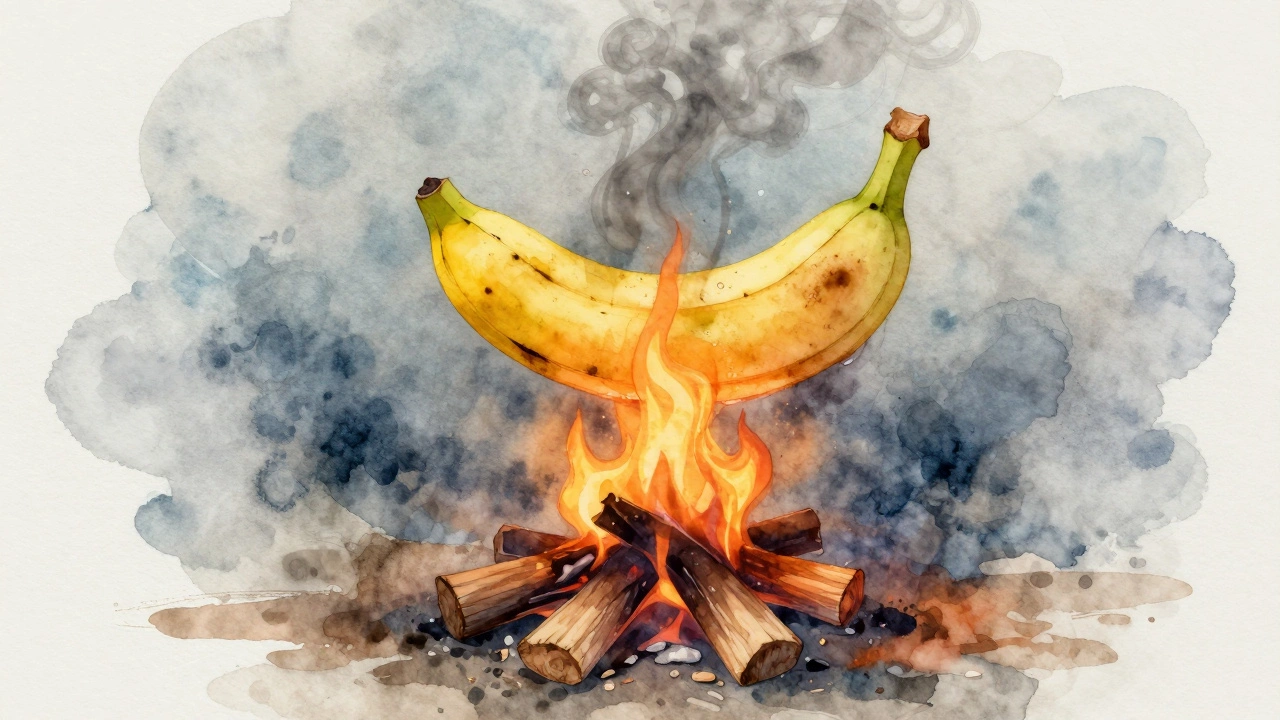
Think of your stomach like a campfire. If you throw a wet log (the banana) onto embers that haven’t fully caught yet (your morning digestion), the fire smokes and struggles. This "smoke" manifests as indigestion, acidity, or that heavy feeling in your chest. Over time, this imbalance can lead to chronic issues like acid reflux or sluggish metabolism.
Common Side Effects of Morning Bananas
If you have been eating bananas first thing in the morning, you might already be experiencing some of these subtle symptoms without realizing the cause:
- Mucus Buildup: Bananas are known to produce Ama (toxins) and mucus in the body when not digested properly. This can feel like a tickle in the throat or congestion in the sinuses.
- Bloating and Gas: Because bananas aggravate Vata, they can trap gas in the intestines, leading to discomfort and distension shortly after eating.
- Acidity and Heartburn: The high sugar content combined with low digestive fire can ferment in the stomach, pushing acid upward.
- Lethargy: Instead of giving you energy, the heavy nature of the fruit can make you feel weighed down and sleepy, fighting against your natural circadian rhythm.
These effects are particularly pronounced for people with a Kapha or Vata dominant constitution. If you tend to gain weight easily, feel cold often, or suffer from anxiety and irregular digestion, you are likely more sensitive to these effects.
When Is the Best Time to Eat Bananas?
This doesn’t mean you have to banish bananas from your diet entirely. They are nutritious and delicious! The key is timing. According to Ayurvedic principles, here is how to incorporate them safely:
- Mid-Morning Snack: Wait until your digestive fire is stronger, around 10 AM to 11 AM. By then, your body has had time to wake up and process lighter foods.
- Pre-Workout Energy: Bananas are excellent before exercise because they provide quick carbohydrates. Your active state boosts Agni, helping you digest the fruit efficiently.
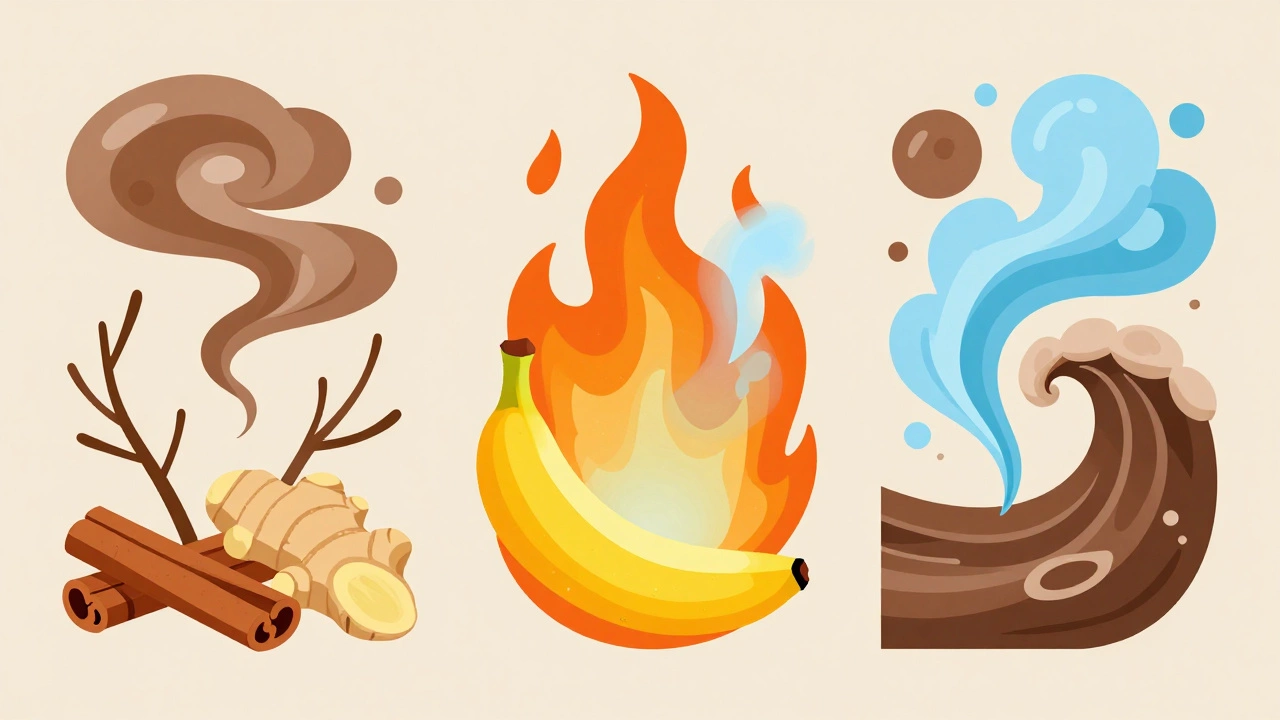
- With Other Foods: Never eat bananas alone. Pair them with warm spices like ginger, cardamom, or cinnamon. These spices are heating and drying, which counteracts the cold, moist nature of the banana.
- Avoid Late Night: Digestion slows down significantly in the evening. Eating bananas late can lead to poor sleep and further mucus production.
A great Ayurvedic hack is to sprinkle a pinch of black pepper or cinnamon on your banana slices. Black pepper is a powerful bio-enhancer that stimulates digestion and reduces the mucus-forming quality of the fruit.
Better Alternatives for an Empty Stomach
If you want a light, energizing breakfast that aligns with Ayurveda, consider swapping the banana for fruits that are easier to digest and less likely to aggravate Doshas. Here are some top recommendations:
| Fruit | Dosha Effect | Why It Works |
|---|---|---|
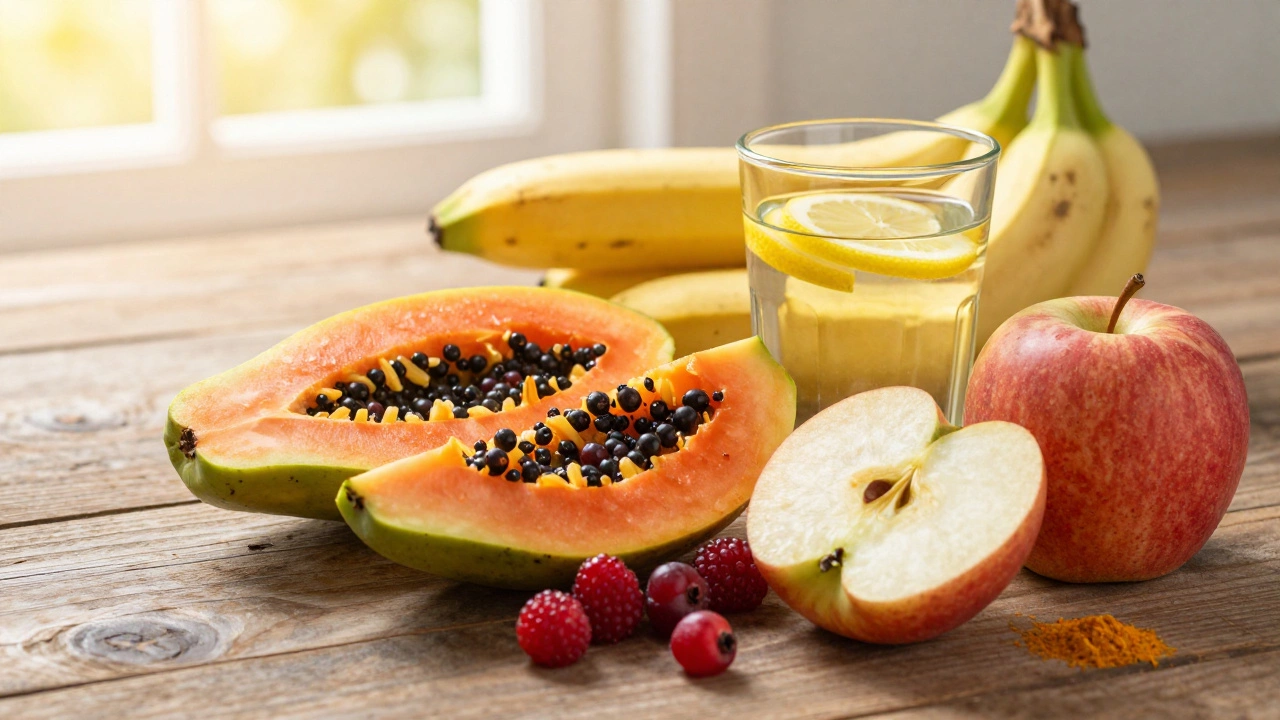
| Apples | Balances all Doshas | High in fiber but lighter than bananas. Best eaten cooked or stewed for sensitive stomachs. |
| Papaya | Pacifies Vata and Kapha | Contains papain, an enzyme that aids digestion. Excellent for clearing toxins. |
| Berries | Balances Pitta and Kapha | Light, antioxidant-rich, and low in sugar. Easy on the digestive fire. |
| Pears | Pacifies Vata | Sweet and moist, making them soothing for dry constitutions, but best eaten in moderation. |
Another classic Ayurvedic morning ritual is drinking warm water with lemon. This gently stimulates the liver and digestive tract without adding heavy bulk. Follow this with a warm, cooked meal like oatmeal with ghee or khichdi. Warm, cooked foods are always preferred over raw, cold foods in the morning because they require less energy to digest.
Does Ripeness Matter?
Yes, it does. In Ayurveda, the ripeness of a fruit changes its properties. Green bananas are harder to digest and more constipating. Fully ripe bananas with brown spots are sweeter and heavier, increasing Kapha even more. Slightly ripe bananas (yellow with minimal green) are the most balanced option. However, regardless of ripeness, the rule remains: avoid them on an empty stomach.
If you have a Pitta constitution (prone to heat, acidity, and inflammation), you might tolerate bananas better than others, but still, pairing them with cooling herbs like mint or fennel is wise. For Vata types (dry, anxious, irregular), bananas can be grounding but only if eaten with warm, oily foods like almond milk or ghee, never alone.
Listening to Your Body
Ayurveda is not a rigid set of rules but a guide to self-awareness. Pay attention to how you feel after eating bananas in the morning. Do you feel light and energetic, or heavy and congested? Your body will give you clear signals. If you experience bloating, heartburn, or brain fog, try switching to the alternatives listed above for a week. Notice the difference in your energy levels and digestion.
Remember, the goal is to support your natural rhythms, not fight them. By respecting your digestive fire and choosing foods that align with your body’s needs at different times of the day, you can enjoy bananas as part of a balanced, vibrant diet without the negative side effects.
Can I eat bananas every day according to Ayurveda?
Yes, you can eat bananas daily, but timing is crucial. Avoid eating them on an empty stomach or late at night. The best time is mid-morning or as a pre-workout snack. Always pair them with warming spices like cinnamon or ginger to aid digestion and reduce mucus formation.
Why do bananas cause acidity?
Bananas are heavy and sweet, which can slow down digestion if your Agni (digestive fire) is weak. On an empty stomach, they may ferment, producing gas and acid. Additionally, their cooling nature can aggravate Vata, leading to trapped gas and pressure in the abdomen, which pushes acid upward.
What is the best fruit to eat on an empty stomach?
Papaya is widely considered one of the best fruits for an empty stomach because it contains papain, an enzyme that aids digestion. Apples (especially stewed) and berries are also good options as they are lighter and less likely to aggravate Doshas compared to heavier fruits like bananas or mangoes.
Do green bananas have the same effect as ripe ones?
Green bananas are harder to digest and more constipating due to their high resistant starch content. Ripe bananas are sweeter and heavier, increasing Kapha more significantly. Neither is recommended on an empty stomach, but slightly ripe bananas are generally easier to handle than unripe ones.
How can I reduce the mucus caused by bananas?
To counteract the mucus-forming quality of bananas, consume them with warming spices such as black pepper, cinnamon, cardamom, or ginger. These spices stimulate digestion and dry out excess moisture. Drinking warm water with lemon after eating bananas can also help clear any residual congestion.