Darjeeling Souvenir Budget Planner
Build Your Shopping List
| Craft Item | Qty | Est. Price (₹) |
|---|
Budget Summary
Estimated Total
Authenticity Checklist
- Pashmina: Passes ring test?
- Thangka: Natural pigments used?
- Paper Mache: Hand-painted details?
- Wood/Brass: No chemical varnish?
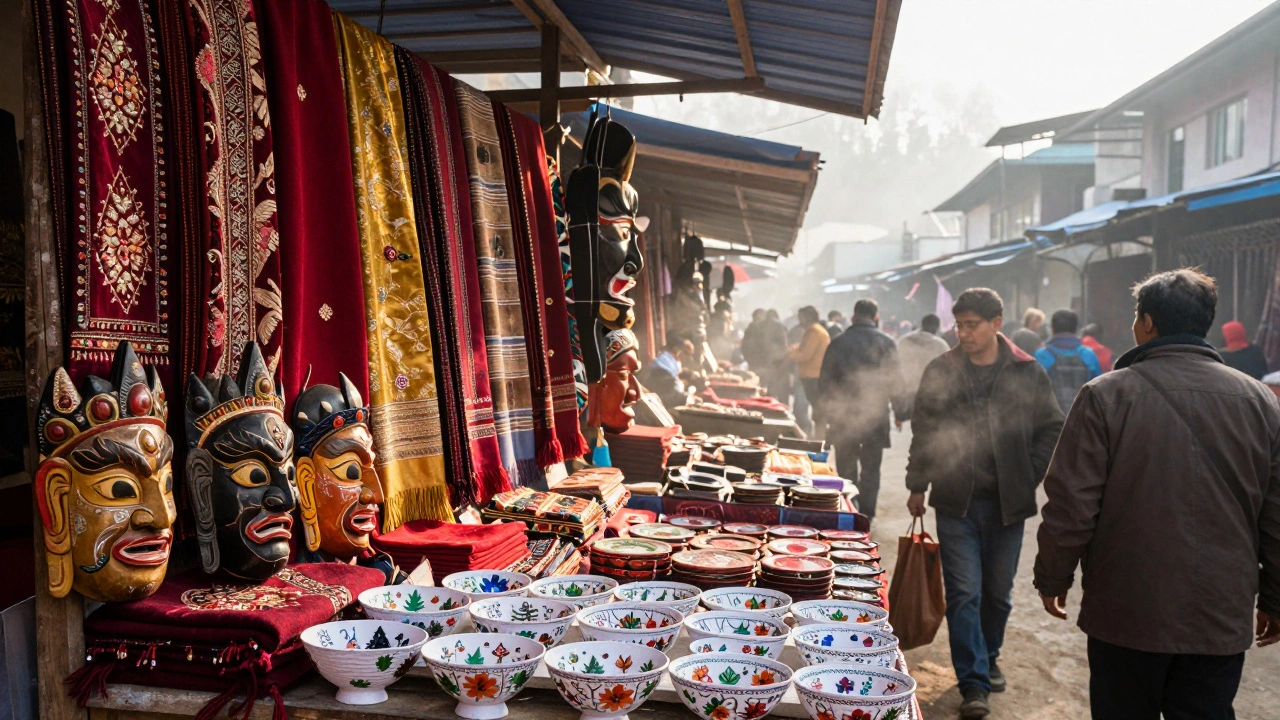
Imagine walking through the narrow, winding streets of Machmoor Market in Darjeeling. The air is crisp, carrying the scent of roasted corn and strong tea. But look closer at the stalls lining the path. You’ll see intricate wooden masks, vibrant woven shawls, and delicate paper products that tell a story far older than the hill station itself. These aren’t just tourist trinkets; they are the living heritage of the Himalayas.
Darjeeling’s craft scene is unique because it sits at a cultural crossroads. It blends traditions from Nepal, Tibet, Bhutan, and the indigenous tribes of West Bengal. When you buy a craft here, you’re not just getting an object; you’re supporting a community that has preserved these skills for generations. Whether you are looking for a meaningful gift or simply want to understand the region better, knowing what to look for makes all the difference.
The Warmth of Wool: Pashmina and Shawls
If there is one item that defines the winter in the Himalayas, it is wool. But not just any wool-Pashmina. This ultra-fine cashmere comes from the Changthangi goats that graze on the high-altitude plateaus of Ladakh and Tibet. In Darjeeling, you will find these shawls draped over shop counters, often featuring intricate embroidery.
What makes a true Pashmina special? Look for the "ring test." Genuine Pashmina is so fine that an entire shawl can pass through a small ring. The weavers in this region, many of whom are women from the Newar and Sherpa communities, use traditional looms to create patterns inspired by nature. You’ll see motifs like lotus flowers, peacocks, and geometric borders known as "kani" work.
- Authenticity Check: Real Pashmina feels incredibly soft, almost like silk, but retains heat. If it feels scratchy or heavy, it might be blended with synthetic fibers.
- Price Range: Expect to pay between ₹3,000 and ₹15,000 depending on the size and complexity of the embroidery. Anything cheaper is likely a mix.
- Care Tip: Always hand wash in cold water with mild detergent. Never machine dry, as the fibers can shrink.
Beyond Pashmina, look for Tibetan Shawls. These are often thicker and feature bold, colorful stripes. They are perfect for layering during chilly evenings on the toy train ride. Many shops in the Mall Road area offer customization, allowing you to choose border colors that match your style.
Spiritual Symbols: Thangkas and Masks
Darjeeling has a significant Buddhist population, and this spiritual influence is deeply embedded in its art. Two of the most striking crafts you’ll encounter are Thangka paintings and ritual masks.
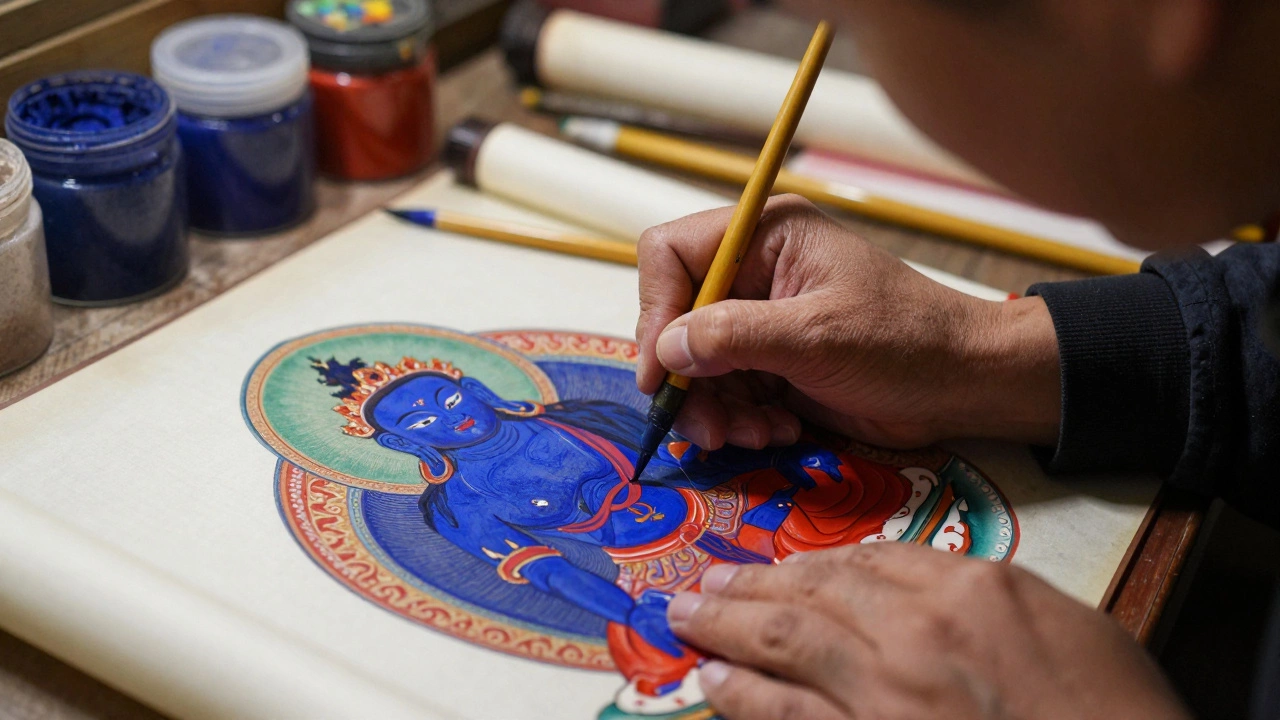
A Thangka is a sacred painting on cotton or silk appliqué, usually depicting a Buddhist deity, scene, or mandala. Traditionally, these were used as teaching tools in monasteries. In Darjeeling, artists use natural pigments made from minerals and plants to create vivid colors that last for decades. The process is meticulous. An artist might spend weeks grinding lapis lazuli for blue or cinnabar for red before even touching the canvas.
When buying a Thangka, consider its purpose. Smaller scrolls make great home decor, while larger pieces serve as focal points for meditation spaces. Be respectful when handling them; traditionally, they are rolled up rather than folded to avoid creasing the sacred images.
Then there are the masks. Used in Cham dances during festivals, these wooden masks represent various deities and demons. They are carved from local wood, painted with bright colors, and adorned with beads or mirrors. A mask isn’t just a decoration; it’s a vessel for storytelling. Each character has a specific expression-fierce, serene, or playful-that conveys a moral lesson. Shops near the Himalayan Mountaineering Institute often have high-quality examples crafted by local artisans.
Eco-Friendly Elegance: Paper Crafts
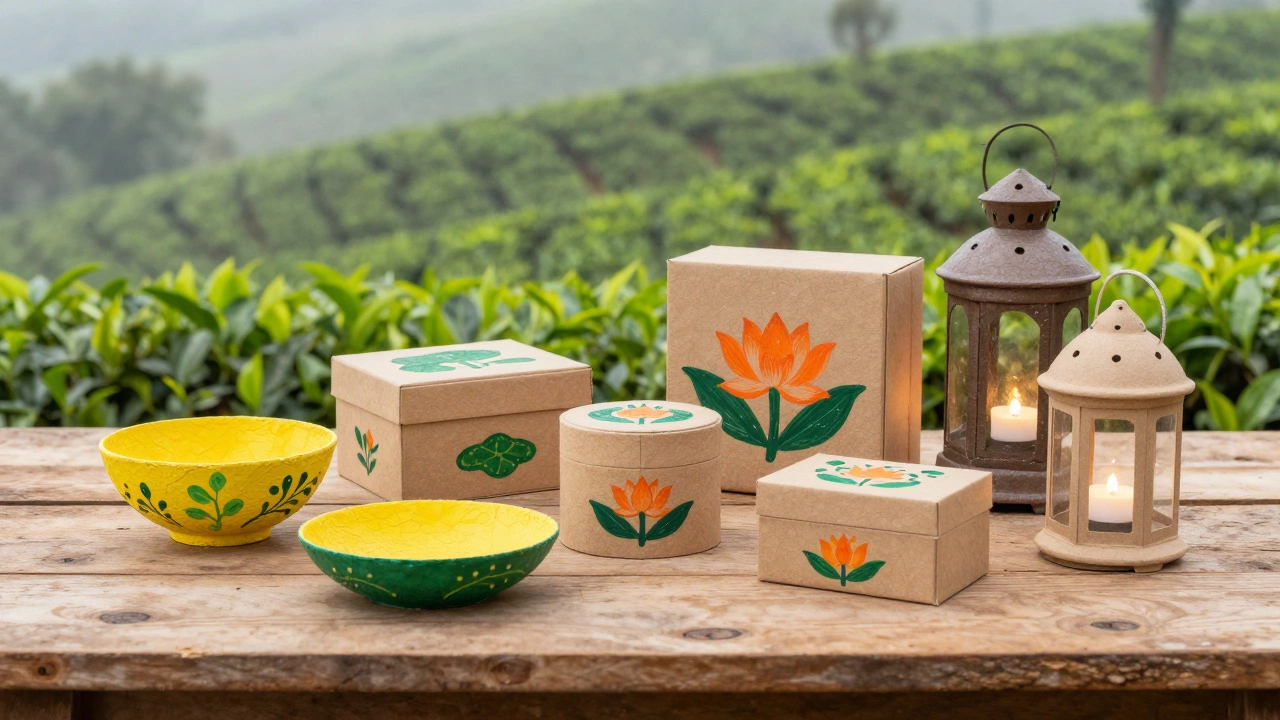
In recent years, Paper Maché has become one of Darjeeling’s most popular crafts. This shift started as a way to utilize waste materials and provide employment to local women. The result is stunningly beautiful, eco-friendly products that range from decorative bowls to jewelry boxes.
The process involves mixing recycled paper pulp with starch and molding it into shape. Once dried, the items are hand-painted with intricate designs. Common themes include Himalayan landscapes, prayer wheels, and floral patterns. Because each piece is handmade, no two items are exactly alike.
| Item Type | Typical Use | Price Range (INR) |
|---|---|---|
| Decorative Bowls | Home decor, fruit bowls | ₹200 - ₹800 |
| Jewelry Boxes | Storage, gifts | ₹500 - ₹1,500 |
| Lamps & Lanterns | Lighting, ambiance | ₹300 - ₹1,200 |
| Notebooks & Journals | Stationery, souvenirs | ₹150 - ₹400 |
One standout product is the handmade paper notebook. The pages are thick, textured, and perfect for sketching or journaling during your travels. Supporting this industry helps reduce waste and empowers local women’s cooperatives, making it a purchase with a positive social impact.
Woodwork and Brass: Durability Meets Beauty
For something more durable, explore the woodwork and brass items available in Darjeeling. Local carpenters use timber from sustainable sources to create furniture, utensils, and decorative items. Look for carvings that depict scenes from daily life in the hills-farmers plowing fields, monks chanting, or families gathering around a fire.
Brassware is another staple. You’ll find everything from simple cups to elaborate incense burners. The metal is polished to a high shine and often engraved with traditional patterns. Brass items are not only beautiful but also functional. They are known for their antimicrobial properties, making them a healthy choice for kitchenware.
When buying wood or brass, ask about the finish. Natural oils and beeswax are preferred over chemical varnishes. This ensures the item ages gracefully and remains safe for household use. Many artisans in the Shooting Club Road area offer demonstrations, giving you insight into the craftsmanship involved.
Where to Find Authentic Crafts
Finding genuine handmade goods requires a bit of navigation. While the main market areas are convenient, they can be crowded with mass-produced imports. Here’s how to spot the real deal:
- Machmoor Market: Great for variety, but bargain hard. Look for shops that display the artisans’ names or photos.
- Hathibari: A quieter area with fewer tourists. Shops here often specialize in higher-quality textiles and woodwork.
- Artisan Cooperatives: Seek out stores run by NGOs or government-supported cooperatives. These ensure fair wages for the makers. Look for signs indicating "Fair Trade" or "Handloom Mark."
Engage with the sellers. Ask questions about the origin of the materials and the techniques used. A knowledgeable seller will be happy to share stories about the craft. This interaction not only helps you verify authenticity but also connects you to the culture behind the product.
Supporting Sustainable Tourism
Your purchases in Darjeeling have a direct impact on the local economy. By choosing handmade, locally sourced crafts, you support families who rely on these traditional skills for their livelihood. Mass-produced items from distant factories undercut these artisans, threatening the survival of ancient techniques.
Consider buying directly from artisan workshops when possible. Some homestays and boutique hotels in Darjeeling collaborate with local craftsmen, offering guests the chance to meet the makers. This transparent approach ensures that the majority of your money goes to the person who created the item.
Additionally, be mindful of environmental impacts. Avoid crafts made from endangered species or unsustainable resources. Stick to wool, wood, paper, and metals that are responsibly sourced. Many modern artisans in Darjeeling are innovating with recycled materials, creating contemporary designs that appeal to global markets while respecting ecological boundaries.
Is it legal to buy Thangka paintings in Darjeeling?
Yes, it is perfectly legal to buy Thangka paintings in Darjeeling. These are artistic and religious items widely produced by local Buddhist artisans. However, always ensure the materials used are ethical and do not involve protected animal products.
How can I tell if a Pashmina shawl is genuine?
Genuine Pashmina is extremely fine and soft. Perform the "ring test": try to pull the corner of the shawl through a small ring. If it passes easily, it’s likely authentic. Also, check the label for a "Geographical Indication" (GI) tag, which certifies its origin and quality.
Are there any restrictions on exporting crafts from India?
Most handicrafts like wool, paper, and wood can be exported without issues. However, items made from ivory, certain types of antlers, or endangered woods are strictly prohibited. Always declare valuable purchases at customs and keep receipts for proof of purchase.
What is the best time to buy crafts in Darjeeling?
The best time is during the post-monsoon season (September to November) or winter (December to February). Shops often have new stock after the rainy season, and vendors may offer discounts to attract tourists during colder months.
Can I customize my order for Pashmina or woodwork?
Many skilled artisans in Darjeeling accept custom orders, especially for Pashmina shawls and wooden carvings. However, this takes time-usually 2 to 4 weeks. It’s best to place such orders early in your trip and arrange for shipping or pickup upon return.