Indian Handicraft Authenticity Checker
Analysis Report
PendingBased on the article, look for specific traits like GI tags, imperfections, material feel, and price reality.
Tip: Genuine handmade items rarely have perfect symmetry. Slight variations are signs of human craftsmanship.
Walk into any major international trade fair or browse the top listings on global e-commerce platforms like Etsy or Amazon, and one pattern becomes immediately obvious. The world is not just buying mass-produced goods from India; they are hunting for something specific. They want the soul of the country captured in fabric, clay, wood, and metal. But when you ask what the single most wanted product is, the answer isn't a simple item name. It is a category of craftsmanship that has survived centuries of colonial influence and modern industrialization.
The most sought-after products from India are its traditional handicrafts. Specifically, items that combine intricate manual labor with cultural storytelling lead the demand charts. While electronics and pharmaceuticals dominate export volumes by weight, handicrafts dominate by value per unit and emotional connection. From the misty hills of Kashmir to the sun-baked streets of Rajasthan, these products tell a story that no machine can replicate. Let’s look at exactly which items are flying off the shelves globally and why they hold such power.
The Global Obsession with Pashmina and Cashmere
If we had to pick one material that defines luxury Indian exports, it is wool. Specifically, Pashmina. This isn't your average winter scarf. True Pashmina comes from the Changthangi goat, found only in the high-altitude regions of Ladakh and parts of Tibet. These goats grow an incredibly fine undercoat to survive temperatures dropping below -30°C. Humans have harvested this fiber for over 2,000 years, but the skill required to spin it remains rare.
The demand for Pashmina shawls is driven by two factors: scarcity and warmth. A single gram of Pashmina fiber can be spun into thread thinner than human hair. When woven into a shawl, the result is lighter than air yet warmer than synthetic equivalents. In markets like London, New York, and Dubai, a hand-woven Pashmina shawl with Kani embroidery can sell for thousands of dollars. The "Kani" technique involves using wooden bobbins (known as 'kani') to weave complex patterns directly into the fabric without using a pre-drawn design. This process can take up to six months for a single piece.
What makes this product so desirable today? It is the shift towards sustainable luxury. Modern consumers know that fast fashion is damaging the planet. Pashmina is biodegradable, renewable, and supports rural livelihoods. When you buy a genuine Pashmina, you are supporting a supply chain that has existed for generations. However, buyers must be careful. The market is flooded with synthetic blends labeled as "Pashmina." Genuine articles carry a GI (Geographical Indication) tag, ensuring authenticity.
| Product Type | Origin Region | Key Feature | Price Range (USD) |
|---|---|---|---|
| Pashmina Shawl | Ladakh/Jammu & Kashmir | Ultra-fine wool, Kani embroidery | $100 - $5,000+ |
| Cashmere Stole | Himachal Pradesh | Softer texture, solid colors | $50 - $300 |
| Rudakhi Shawl | Jammu & Kashmir | Wool-silk blend, vibrant patterns | $80 - $400 |
The Renaissance of Block Printing and Textiles
Moving away from wool, let’s talk about cotton. India is the birthplace of cotton cultivation, and nowhere is this heritage more visible than in the block-printed textiles of Rajasthan and Gujarat. Cities like Bagru, Sanganer, and Ajmer are hubs where artisans still use hand-carved wooden blocks to stamp designs onto fabric. This method, known as Dabu or natural dye printing, uses earth pigments and vegetable dyes rather than harsh chemicals.
Why is this trending now? The global interior design industry has shifted heavily towards "bohemian" and "rustic" aesthetics. Large-scale printed home linens, table runners, and cushion covers from these regions are bestsellers on platforms like Wayfair and West Elm. The appeal lies in the imperfection. Machine prints are too perfect. Human hands leave slight variations in pressure and alignment, giving each piece a unique character. For a homeowner in Toronto or Berlin, buying a block-printed bedsheet is a way to bring organic warmth into a sterile modern apartment.
Beyond home decor, clothing brands are collaborating with these artisans. You will see high-end labels incorporating Bandhani (tie-dye) and Leheriya (wave pattern) techniques into contemporary dresses. This fusion keeps the craft alive while making it relevant to younger demographics who might otherwise ignore traditional attire. The key here is transparency. Buyers want to know the artisan's name and the village of origin. Brands that provide this narrative see significantly higher conversion rates.
Blue Pottery: A Persian Legacy in Indian Hands
Not all Indian crafts are indigenous in their origins. Blue Pottery, famous in Jaipur, is a fascinating example of cultural synthesis. Introduced by Persian artisans during the Mughal era, this craft uses quartz powder, glass powder, and multani mitti (fuller's earth) instead of regular clay. The result is a lightweight, translucent pottery with distinctive blue and white patterns, often accented with green or black.
This product has seen a surge in demand among collectors and interior designers. Unlike heavy earthenware, Blue Pottery pieces are durable yet delicate-looking. Vases, wall hangings, and decorative tiles are popular exports. The manufacturing process is intense. The items are fired at extremely high temperatures, causing the quartz to fuse. This requires precise control; even a slight deviation can ruin the batch. Because of this difficulty, authentic Blue Pottery commands a premium price.
The aesthetic fits perfectly with current trends in minimalist and Mediterranean-style interiors. The cool tones of blue and white evoke freshness and calmness, making them ideal for bathrooms and living spaces. Moreover, the environmental angle plays a role here too. Since it doesn't use clay extracted from riverbeds, it is considered more eco-friendly than traditional pottery. Consumers who care about sustainability are increasingly choosing these pieces over ceramic alternatives.
Zari Embroidery and Mirror Work: The Sparkle Factor
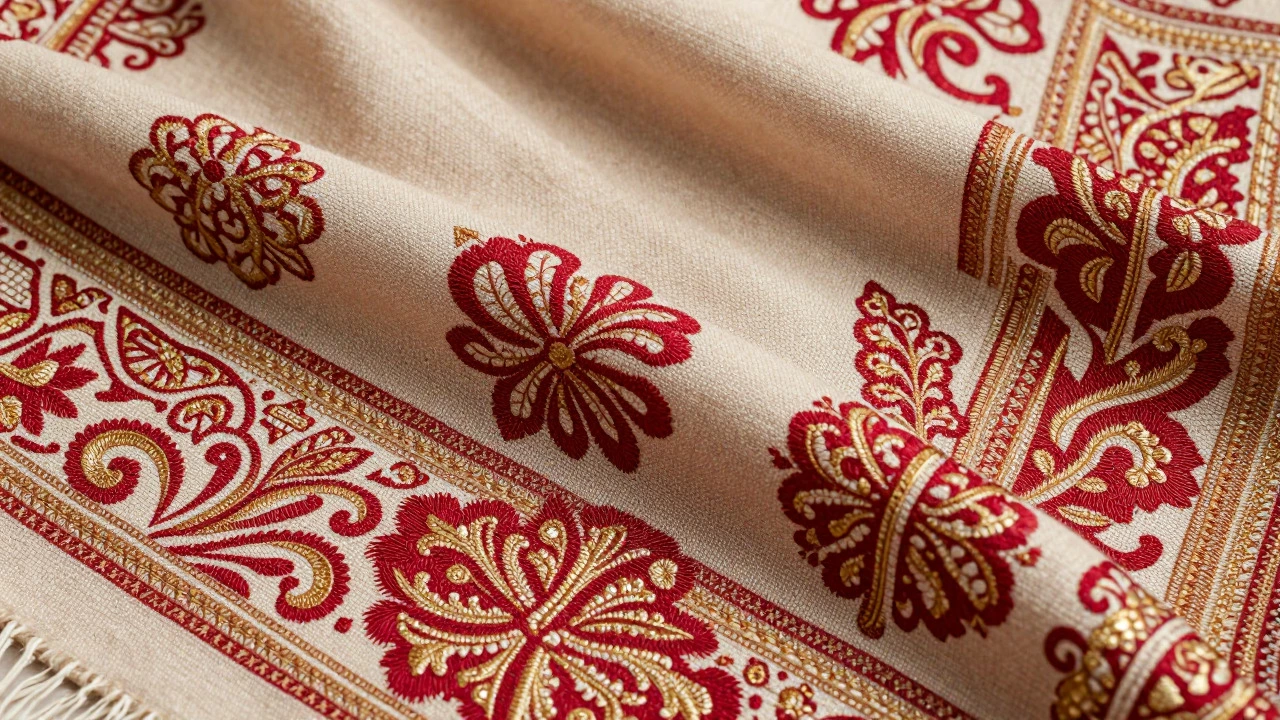
When people think of Indian weddings or festivals, they think of sparkle. And nothing captures that better than Zari embroidery and Mirror Work (Sheesha). Zari involves weaving metallic threads-traditionally gold or silver, now often made with aluminum or synthetic fibers coated in metal-into fabrics like silk, velvet, and georgette. Mirror work involves stitching small mirrors into the fabric, creating a dazzling effect when light hits them.
These products are huge in the fashion and accessory sector. Clutches, earrings, and statement jackets featuring Zari work are staples in boutique stores worldwide. The demand is particularly strong during the holiday seasons in Western countries, where these items serve as eye-catching party wear. In India, they remain essential for bridal trousseaus. The intricacy of the work varies wildly. Simple Zari borders are affordable, but dense Chikankari combined with Zari can take weeks to complete.
What drives the desire here? It is the sense of occasion. In a digital world, physical experiences matter more than ever. People want to dress up for events. Indian embroidered garments offer a level of detail and opulence that ready-to-wear fast fashion cannot match. Additionally, the versatility of these designs allows them to be mixed with western cuts. A Zari-embroidered blazer paired with jeans is a common sight in urban centers, bridging the gap between tradition and modernity.
Wood Carving and Brass Art: Durability Meets Beauty
Finally, we cannot ignore the hard crafts. Wood carving from states like Kerala, Assam, and Uttar Pradesh, along with brass casting from Moradabad and Dhaka, represents the enduring side of Indian handicrafts. Rosewood and sandalwood carvings depict deities, animals, and floral motifs. These items are not just decorations; they are investments. High-quality wooden furniture and idols appreciate in value over time due to the scarcity of raw materials and the aging of skilled craftsmen.
Brass artifacts, on the other hand, appeal to those interested in Ayurveda and wellness. Copper and brass water bottles, plates, and lamps are marketed for their health benefits, though the primary driver remains aesthetic appeal. The lost-wax casting method used to create intricate brass statues ensures that no two pieces are identical. Collectors love this uniqueness. In homes across Europe and North America, a brass elephant or a detailed diya (lamp) serves as a conversation starter, signaling an appreciation for global art forms.
The challenge for these products is logistics. They are heavy and fragile. However, improved packaging solutions and reliable courier services have mitigated these risks. Furthermore, the rise of video content showing the creation process-from molten metal pouring to chisel strikes-has built immense trust. Buyers feel connected to the maker before they even purchase the item.
How to Identify Authentic Handicrafts
With high demand comes imitation. If you are looking to buy or invest in these products, knowing how to spot the real deal is crucial. Here are some practical tips:
- Check for GI Tags: Geographical Indication tags certify that a product originates from a specific region and meets certain quality standards. Look for logos on Pashmina, Banarasi silk, and Kanchipuram sarees.
- Examine the Imperfections: Handmade items rarely have perfect symmetry. Slight variations in stitch length, color saturation, or shape are signs of human craftsmanship, not defects.
- Ask About Materials: Genuine artisans can explain the source of their materials. For example, a true Pashmina seller will discuss the goat breed and spinning process.
- Price Reality Check: If a hand-embroidered shawl costs less than $50, it is likely machine-made. Labor-intensive crafts require fair wages for artisans.
- Look for Certifications: Organizations like Dastkar and Craftmark provide certification for authentic handmade goods in India.
Supporting these crafts is not just about buying a pretty object. It is about preserving a way of life. As automation takes over industries, the human touch becomes a premium feature. Whether it is the softness of Pashmina, the vibrancy of block prints, or the shine of Zari, these products connect us to history, culture, and the skilled hands that created them.
What is the most exported handicraft from India?
Textiles, particularly handloom fabrics and embroidered garments, represent the largest share of India's handicraft exports. Within this, Pashmina shawls and Banarasi silks are among the highest-value items due to their luxury status and global demand.
Why are Indian handicrafts so expensive?
The cost reflects the extensive manual labor involved. Many pieces take weeks or even months to complete by skilled artisans. Additionally, raw materials like pure pashmina wool, natural dyes, and precious metals add to the production cost. Fair trade practices also ensure artisans receive a living wage.
How can I verify if a Pashmina shawl is genuine?
Genuine Pashmina should feel incredibly soft and light. Perform the "burn test": burn a small loose thread. Real Pashmina smells like burning hair and turns to ash, while synthetic fibers smell like plastic and melt into a bead. Also, look for the official GI tag and a certificate of authenticity.
Which Indian state is famous for Blue Pottery?
Rajasthan, specifically the city of Jaipur, is renowned for Blue Pottery. This craft was introduced by Persian artisans and uses quartz powder and glass instead of clay, resulting in a distinctive lightweight and translucent finish with blue and white patterns.
Are Indian handicrafts sustainable?
Yes, many Indian handicrafts are highly sustainable. They use natural, biodegradable materials like cotton, wool, wood, and clay. Techniques like block printing often employ vegetable dyes. Supporting these crafts promotes slow fashion and reduces the carbon footprint associated with mass-produced synthetic goods.