Bharatanatyam Jathis: The Rhythmic Foundations of Classical Indian Dance
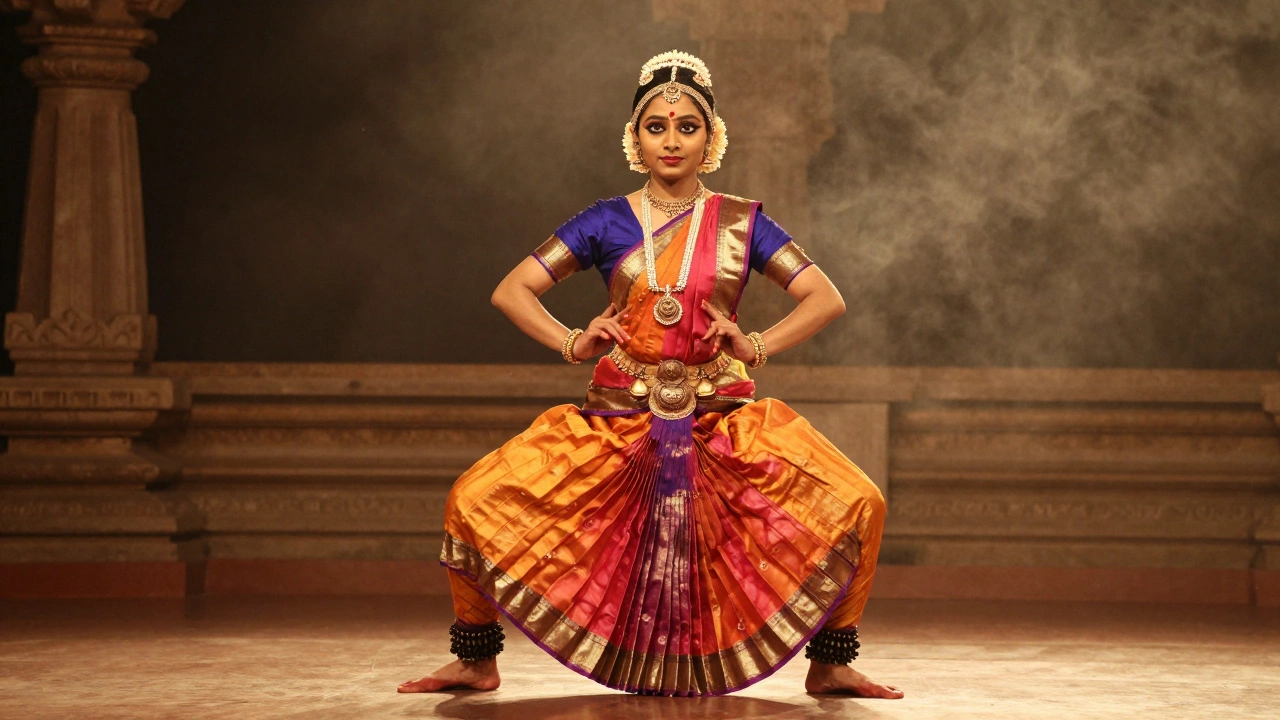
When you watch a Bharatanatyam dancer move, what you’re really seeing is Bharatanatyam jathis, precise, rhythmic footwork sequences that form the structural backbone of this classical Indian dance form. Also known as jatis, these are not random steps—they’re mathematically crafted patterns, timed to the beat of the mridangam and sung in solkattu syllables like tai ta ki ta. This is where dance becomes drumming, and drumming becomes prayer.
Bharatanatyam jathis are built on the same rhythmic cycles, or tala, the foundational time cycles in Carnatic music that structure every performance. A dancer doesn’t just step—they count, they breathe, they internalize. The most common talas like Adi (8 beats) or Rupaka (6 beats) shape the jathis you see, and each sequence is designed to build energy, then release it. These patterns aren’t just for show; they’re training tools. For centuries, dancers learned jathis before they learned expressions, because without perfect rhythm, emotion falls flat.
What makes jathis special is how they connect body, mind, and spirit. Each step is tied to a specific beat, a specific finger movement, even a specific gaze. You can’t fake a jathi. It’s either clean or it’s not. And that’s why even modern Bharatanatyam teachers start students with just five basic jathis—master those, and everything else follows. The beauty isn’t in speed, but in precision. In silence between steps. In the way a single ta ki ta can echo like a heartbeat.
These rhythms also link Bharatanatyam to its roots in temple rituals, where dance was a form of devotion. The jathis were originally composed by ancient musicians and dancers to mirror the cycles of nature—sunrise, monsoon, harvest. Today, they still carry that weight. When a dancer performs a complex jathi, they’re not just moving—they’re speaking a language older than written history.
Below, you’ll find posts that explore how these rhythms connect to broader Indian culture—from the poetry that mirrors their cadence, to the spiritual quotes that echo their stillness. You’ll see how jathis aren’t just dance steps—they’re echoes of a thousand years of discipline, devotion, and quiet genius.