Indian clothing norms: Tradition, identity, and what people really wear today
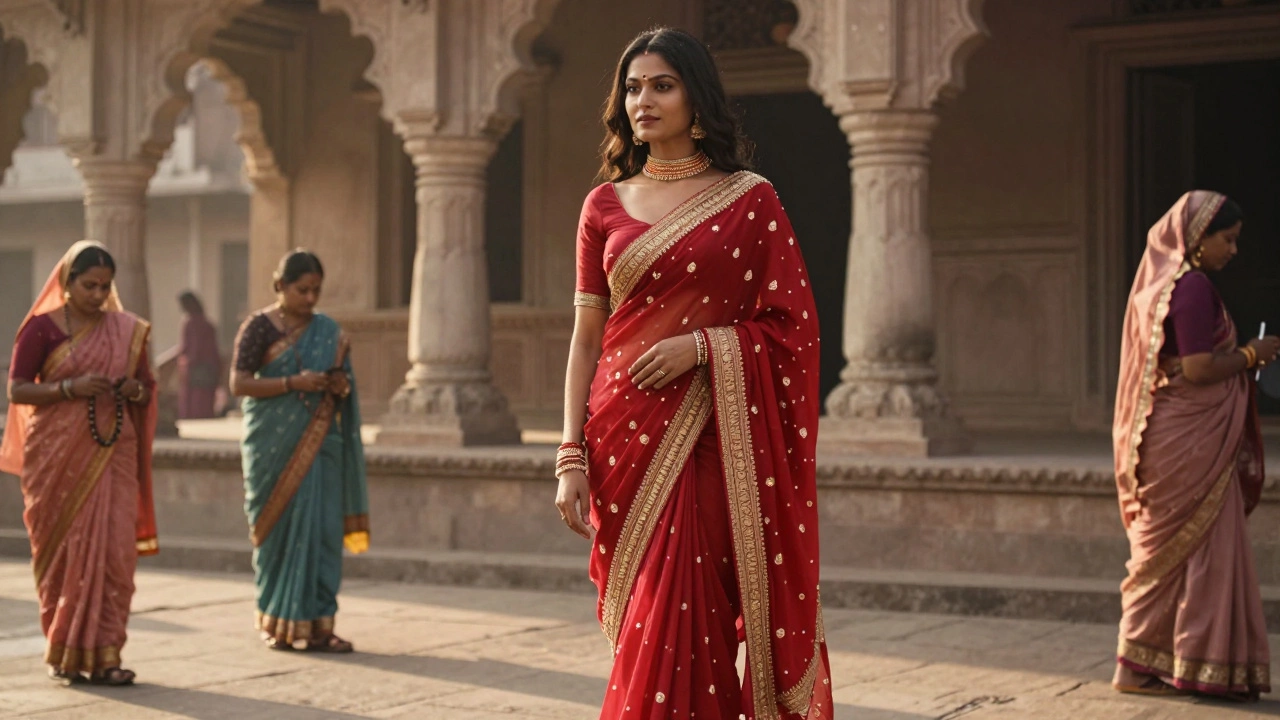
When we talk about Indian clothing norms, the unwritten rules and deep-rooted customs around what people wear across India. Also known as traditional Indian dress codes, these norms aren’t just about fashion—they’re tied to family, faith, region, and social expectations. You might think everyone wears a sari or dhoti, but the truth is more complex. In a village in Bihar, a woman might wear a lehenga with a specific border to signal her caste. In a Bangalore office, a young man might pair a kurta with jeans because it feels right—not because anyone told him to. These norms shift quietly, every day, in kitchens, classrooms, and train stations.
Behind every piece of clothing is a story. The sari, a six-yard cloth draped in dozens of regional styles, from the Bengali pleat to the Gujarati seedha pallu. Also known as Indian draped garment, it’s not just fabric—it’s ritual. In many homes, a girl’s first sari is worn at her wedding, or even her first festival. Then there’s the kurta-pyjama, a staple for men across North India, from farmers in Punjab to IT workers in Hyderabad. Also known as Indian casual wear, it’s comfortable, modest, and deeply flexible—worn with a jacket for weddings, alone for tea, or under a blazer for work. Even the color matters. White for mourning in some communities. Red for brides in others. Yellow for festivals in Gujarat. These aren’t random choices—they’re inherited codes, passed down through generations, sometimes quietly broken, sometimes fiercely held.
What’s changing? Younger Indians are redefining what’s acceptable. A woman in Delhi might wear a crop top with a long skirt to temple—not because she’s rebellious, but because she’s found a balance. A man in Chennai might wear a mundu to his job interview because it’s clean, cool, and his identity. These aren’t violations of norms—they’re evolution. And that’s why the collection below matters. You’ll find posts that dig into the real rules people follow, the ones no one teaches you but everyone knows. The ones about how to drape a sari without pins, why men don’t wear shorts to weddings, and how a simple turban can carry centuries of meaning. These aren’t just fashion tips. They’re cultural keys.