Indian folk funeral music: Traditions, sounds, and the soul of mourning in rural India
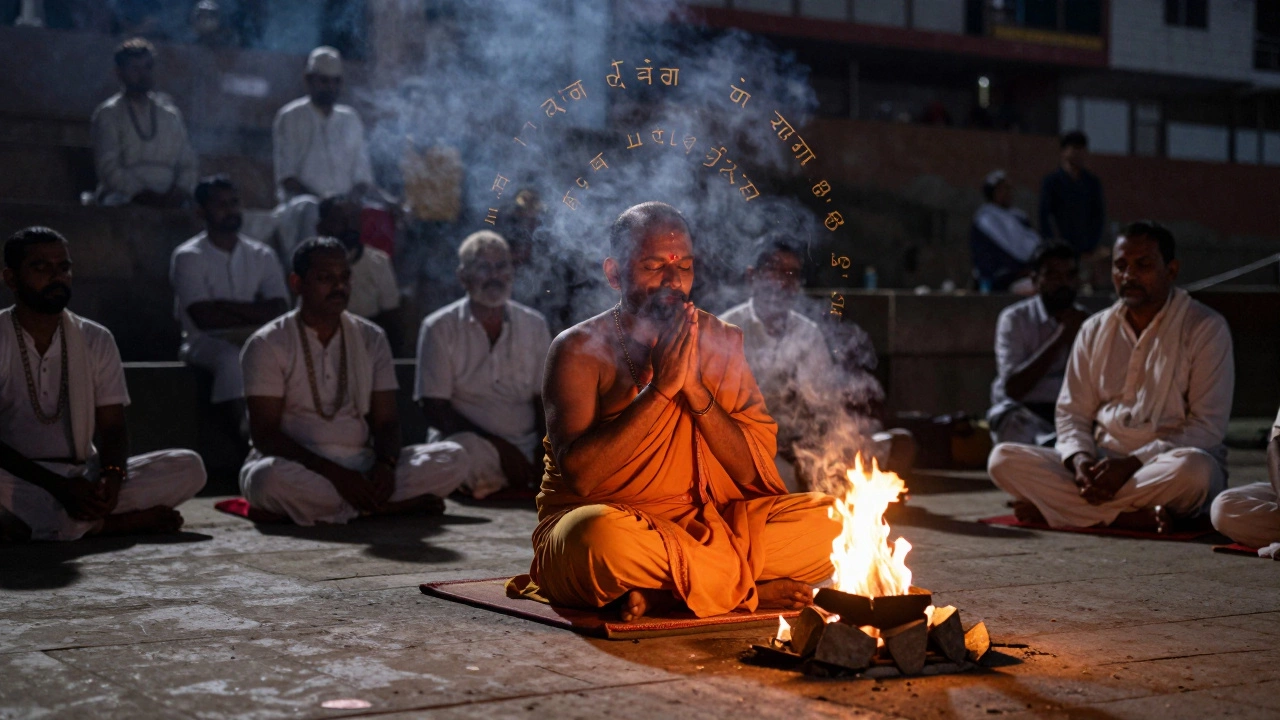
When someone dies in a village in Bihar, Odisha, or Uttar Pradesh, the air doesn’t just fall silent—it fills with Indian folk funeral music, a raw, unfiltered expression of grief passed down through generations, not written in books but learned in tears and drumbeats. This isn’t background music. It’s the voice of the community saying goodbye, holding space for pain, and guiding the soul forward. Unlike urban cremations with recorded bhajans, rural India still lives by sounds that have changed little in centuries: the wail of the folk mourners, women who sing dirges in local dialects, often improvising verses about the dead person’s life, kindness, or last words, the steady beat of the dholak, a hand drum used to mark rhythm during funeral processions, its pulse echoing the heartbeat of the village, and the low hum of mantras, chanted not by priests alone but by elders who know which verses bring peace to the departed.
These sounds aren’t random. They follow unspoken rules shaped by caste, region, and religion. In some parts of Rajasthan, the funeral song is sung in a high-pitched, trembling tone—meant to mimic the soul’s flight. In Bengal, it’s the shyama sangeet that carries the dead to the river. In Tamil Nadu, women beat brass pots to drive away evil spirits. None of this is about performance. It’s about presence. The music doesn’t comfort the living to make them feel better—it gives them permission to feel everything. And in a country where grief is often buried under duty, this music becomes the only honest space left. You won’t find it on streaming playlists. It’s not curated. It’s lived. It’s the sound of a grandmother singing her son’s name into the wind, or a group of neighbors singing the same line over and over until the sky feels lighter.
What you’ll find in the posts below isn’t theory. It’s the real voices, the forgotten tunes, the stories behind the chants. You’ll read about how these songs preserve history, how they’re passed from mother to daughter, how they change when a village loses its last singer. You’ll see how grief in India isn’t a private matter—it’s a shared rhythm, a collective breath. These aren’t just funeral songs. They’re the last lullabies the living sing to the dead. And they’re still being sung, right now, in villages where silence would be the true tragedy.